Scroll To Top
Scroll To Top

Mount Tabor Photo Gallery

Click the title to view map


Site Overview

Basilica of the Transfiguration
  • Traditional Site of the Transfiguration — For nearly two thousand years, Mount Tabor has been revered by Christians as the traditional location where Jesus was transfigured before Peter, James, and John. Although the Gospels do not identify the mountain by name, this association dates to the early centuries of Christianity and remains the focus of pilgrimage today.
  • The Glory of the Son Revealed — Here Jesus' appearance was transformed, His face shone with heavenly glory, Moses and Elijah appeared beside Him, and the Father's voice declared, "This is my beloved Son... hear ye him."
  • A Witness Before the Cross — The Transfiguration strengthened the faith of the three apostles shortly before Christ began His final journey to Jerusalem, preparing them for the suffering and resurrection that lay ahead.
  • A Mountain of Biblical History — Long before the New Testament, Mount Tabor served as an important landmark in Israel's history, including Deborah and Barak's victory over Sisera (Judges 4–5) and other significant Old Testament events.
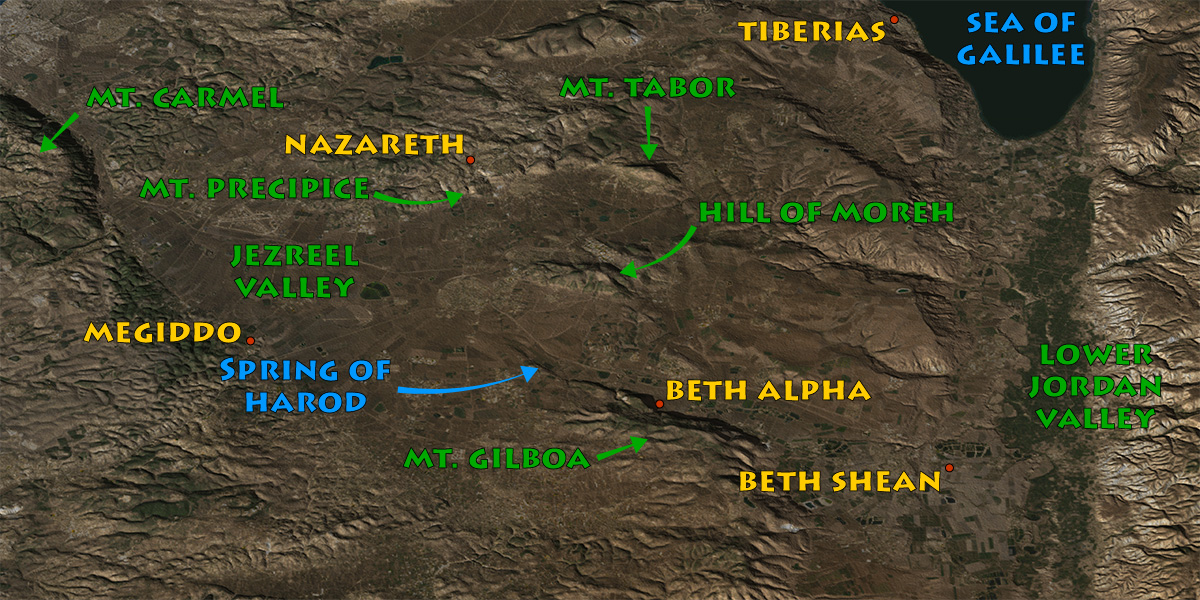
  • Panoramic Views of Galilee — Rising prominently above the Jezreel Valley, Mount Tabor offers sweeping views toward Nazareth, the Sea of Galilee, Mount Carmel, the Hill of Moreh, and the surrounding valleys that formed the backdrop of Jesus' ministry.

Introduction
Basilica of the Transfiguration
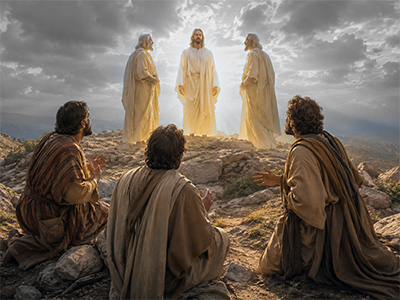
Moses and Elijah Appear on the Mountain

Mount Tabor rises like a great green dome from the floor of the Jezreel Valley, standing apart from the surrounding hills in a way that naturally draws the eye heavenward. While the Bible never names the mountain where the Transfiguration occurred, Christian tradition has identified Mount Tabor with this sacred event since at least the fourth century. Churches, monasteries, and generations of pilgrims have preserved that tradition, making it one of the most cherished destinations in the Holy Land. At the same time, many modern scholars suggest nearby Mount Hermon as a possible alternative because of its proximity to Caesarea Philippi. Since Scripture leaves the location unnamed, the exact mountain cannot be established with certainty.

Deborah and Barak Defeat Sicera

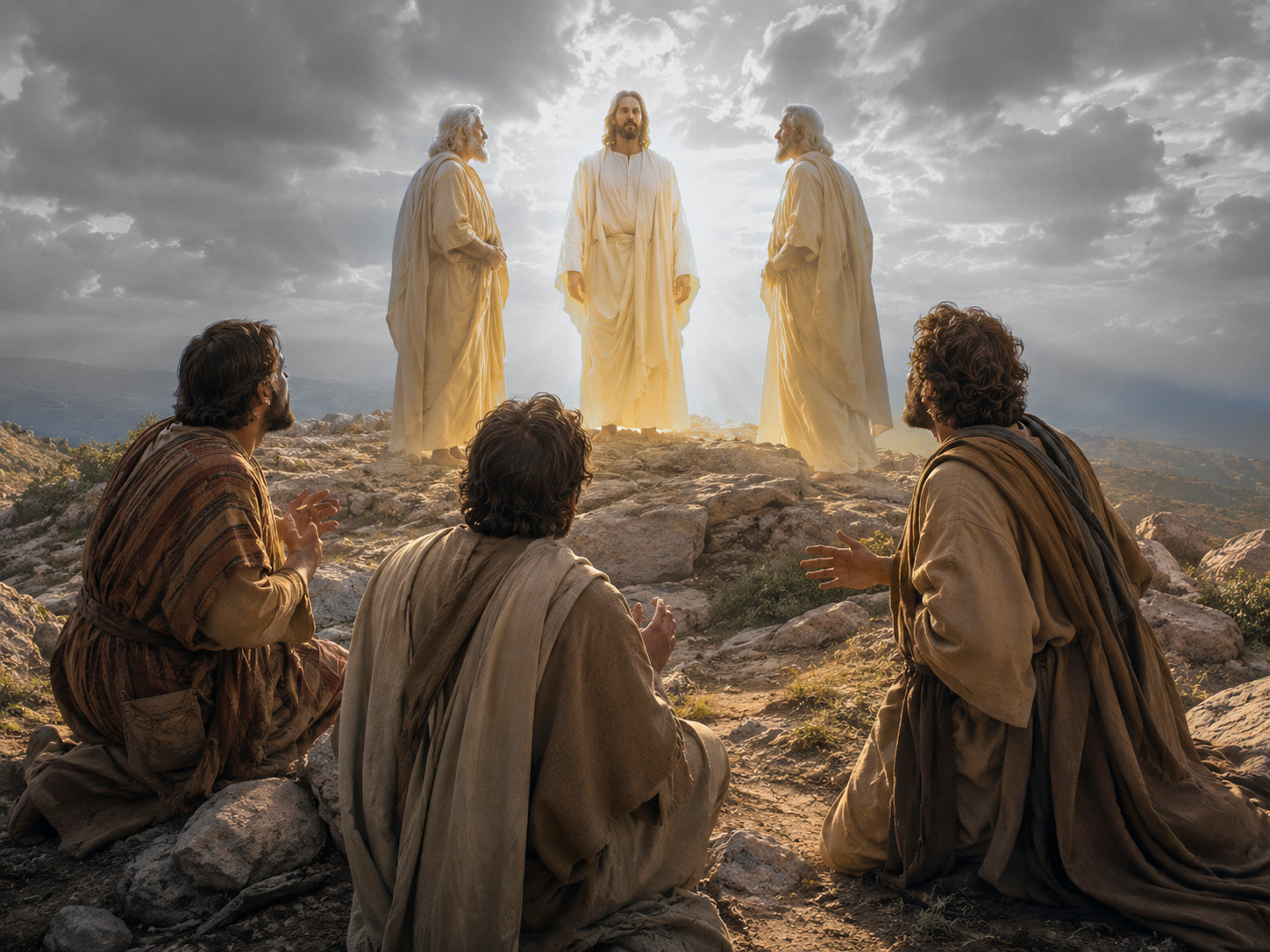
Regardless of the location, the significance of the Transfiguration remains unchanged. On a high mountain, Jesus allowed Peter, James, and John to witness His divine glory. Moses and Elijah appeared beside Him, representing the Law and the Prophets, while the Father's voice declared, "This is my beloved Son... hear ye him." For a brief moment, the veil separating heaven and earth seemed to lift, revealing that the humble Teacher from Galilee was truly the eternal Son of God.

The Transfiguration also prepared the apostles for what was soon to come. Only days earlier, Jesus had begun teaching that He would suffer, be rejected, and rise again. Before witnessing His humiliation in Gethsemane and at Golgotha, Peter, James, and John first saw Him clothed in glory. The memory of that mountaintop experience would become a powerful witness after the Resurrection, reminding them that the suffering Messiah was also the glorified Lord.

Today, pilgrims ascend Mount Tabor much as they have for centuries. Whether one accepts the traditional identification or believes the event occurred elsewhere, the mountain invites every visitor to reflect on the Savior's divine identity and to remember the Father's invitation that still echoes across the centuries: "Hear ye him."

Slide Presentation Major Events

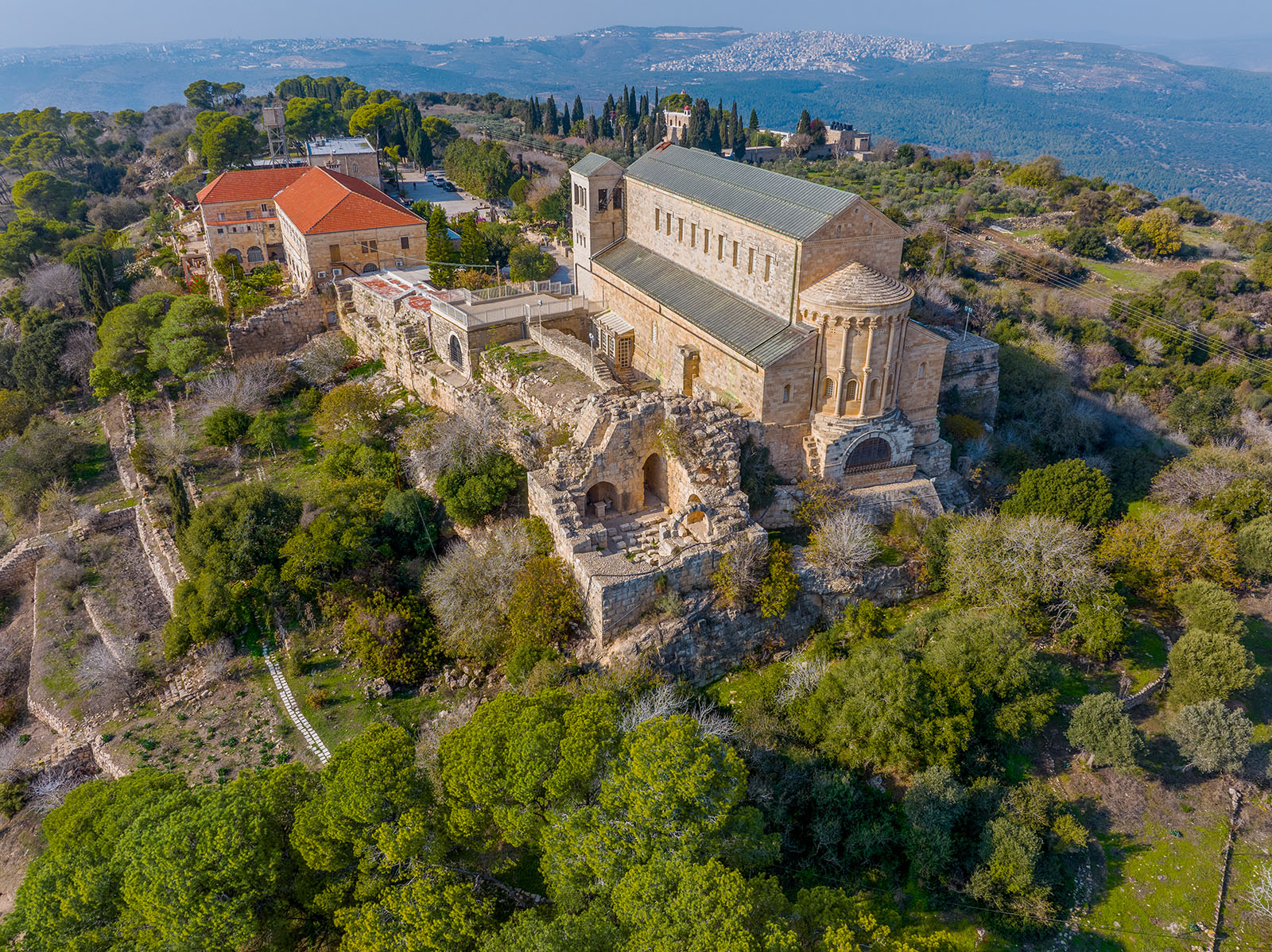
This aerial view of Mount Tabor shows the Basilica of the Transfiguration occupying the summit of the mountain. Visitors first pass through the Franciscan compound, including the red-roofed Casa Nova pilgrim house and monastery, before arriving at the church. In front of the basilica are the remains of earlier Byzantine and Crusader structures, while the ancient walls and terraces surrounding the summit reflect the mountain's long history as a fortified and sacred site.

Basilica of the Transfiguration

Jesus is transfigured before Peter, James, and John as Moses and Elijah appear beside Him, revealing His divine glory on the mount (Matthew 17:1–9).

From Mount Tabor, Barak led ten thousand Israelites against Sisera’s iron chariots, winning a decisive victory through the power of the Lord (Judges 4–5).

Basilica of the Transfiguration

An aerial view reveals the Basilica of the Transfiguration crowning Mount Tabor's summit. Built by the Franciscans in 1924, the church stands over earlier Byzantine and Crusader remains, preserving the long Christian tradition that identifies this mountain as the site of Christ's Transfiguration.

Basilica of the Transfiguration

Seen from the western slope, the basilica rises above the oak and pine forests that blanket Mount Tabor. Its commanding position makes the church visible from much of the surrounding Jezreel Valley, reminding pilgrims why this isolated mountain has long been regarded as a place of divine revelation.

Basilica of the Transfiguration

The main façade of the Basilica of the Transfiguration welcomes pilgrims from around the world. Its twin towers symbolize Moses and Elijah, the two prophets who appeared with the glorified Christ before Peter, James, and John.

Basilica of the Transfiguration

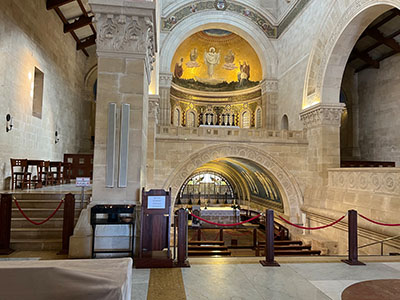
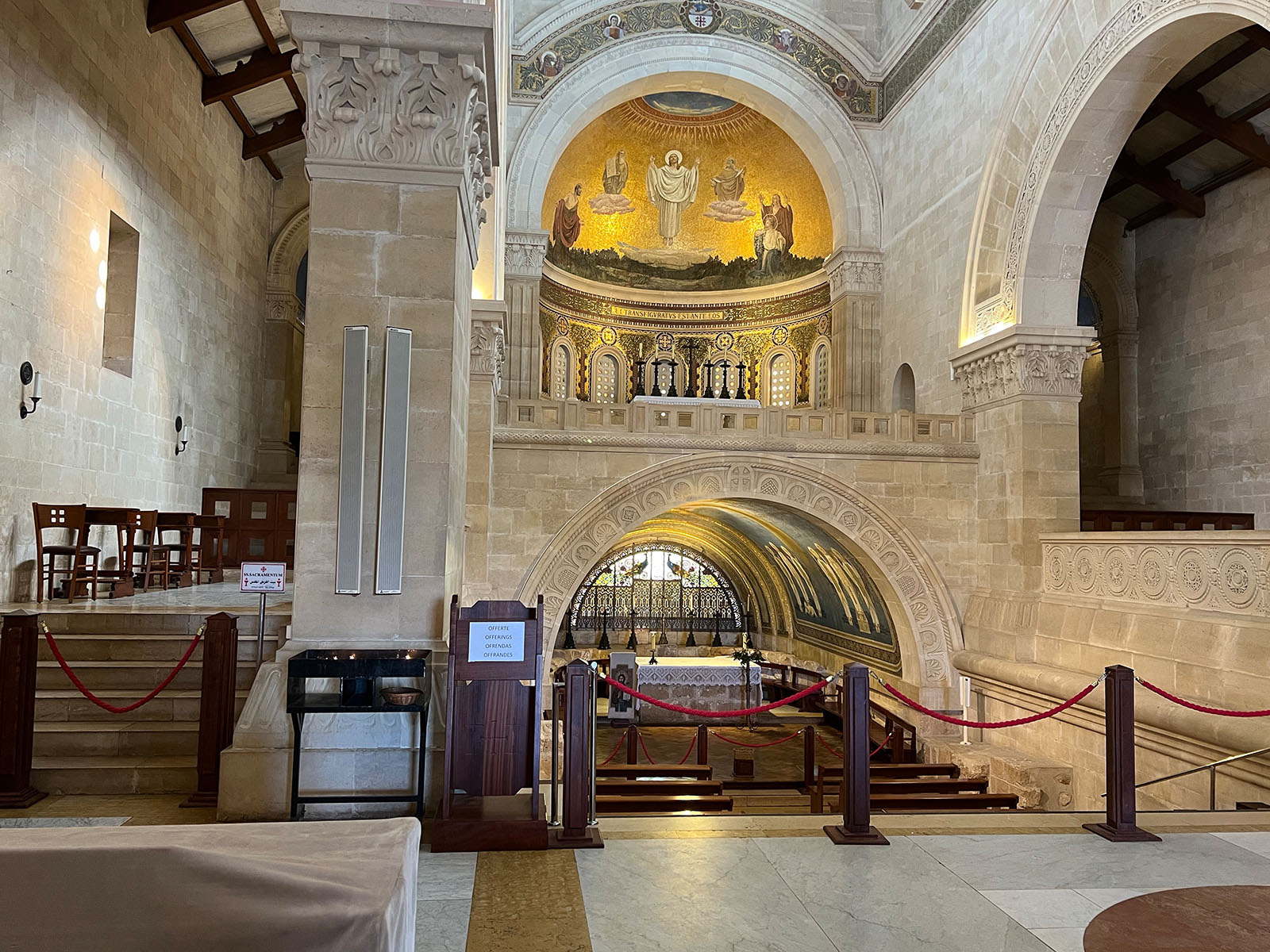
The sanctuary directs attention toward the brilliant mosaic above the altar, depicting the Transfiguration of Jesus. Here visitors reflect on the moment when the Father's voice declared, “This is my beloved Son... hear ye him.”

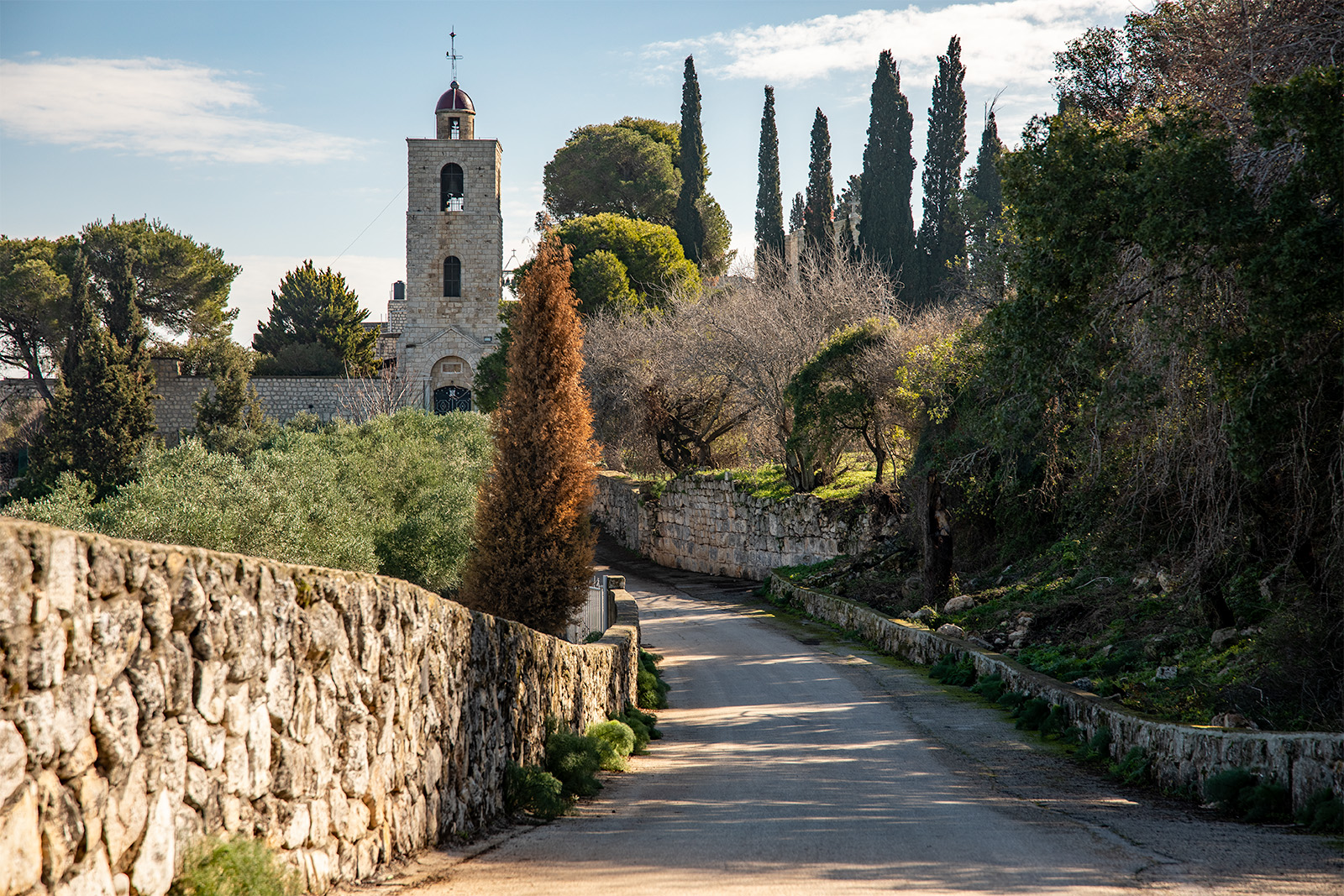
A quiet stone pathway leads through the grounds of the nearby Greek Orthodox Monastery of the Transfiguration. Together with the Franciscan basilica, it reflects the long Christian tradition of worship that has continued on Mount Tabor for many centuries.

Greek Orthodox Monastery

This aerial view shows the Greek Orthodox monastery nestled among the trees on Mount Tabor’s summit. The peaceful setting contrasts with the dramatic biblical events traditionally associated with the mountain, including both Deborah’s victory and Christ’s Transfiguration.

Mount Tabor

Walking paths wind through the wooded summit of Mount Tabor, connecting its churches, chapels, and archaeological remains. These quiet trails allow pilgrims to experience the mountain apart from the crowds that often gather around the basilica.

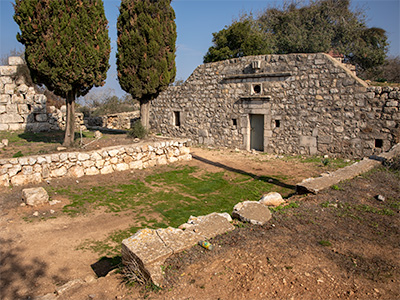
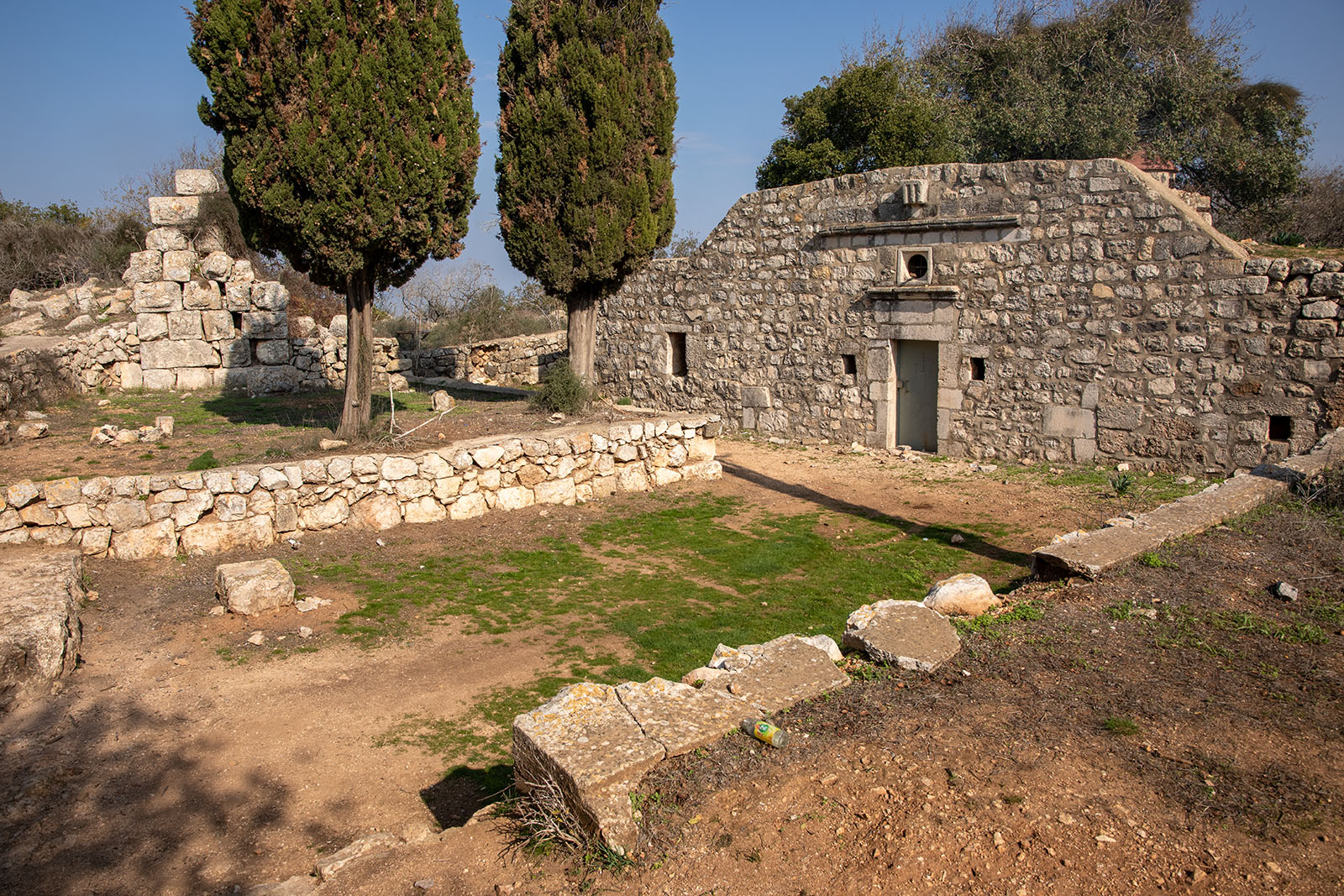
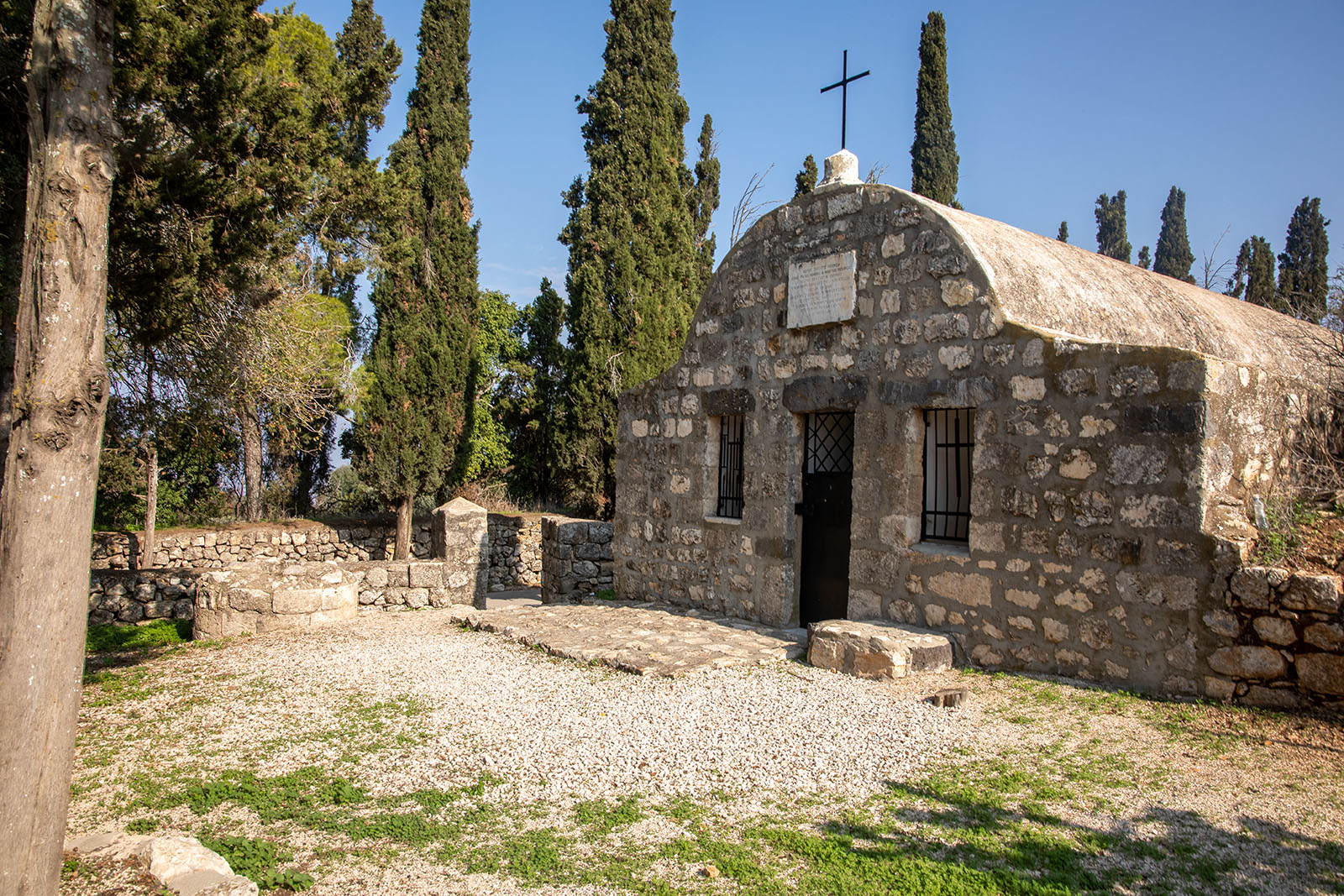
Tradition associates this small stone chapel with Melchizedek, the king and priest who blessed Abraham after his victory over the kings (Genesis 14:18–20). Although the biblical event almost certainly occurred elsewhere, the site reflects centuries of Christian devotion and local tradition. Known as the Cave of Melchizedek, it is located northwest of the Basilica of the Transfiguration on Mount Tabor’s summit. Because it lies away from the main pilgrimage route, many visitors never discover it.

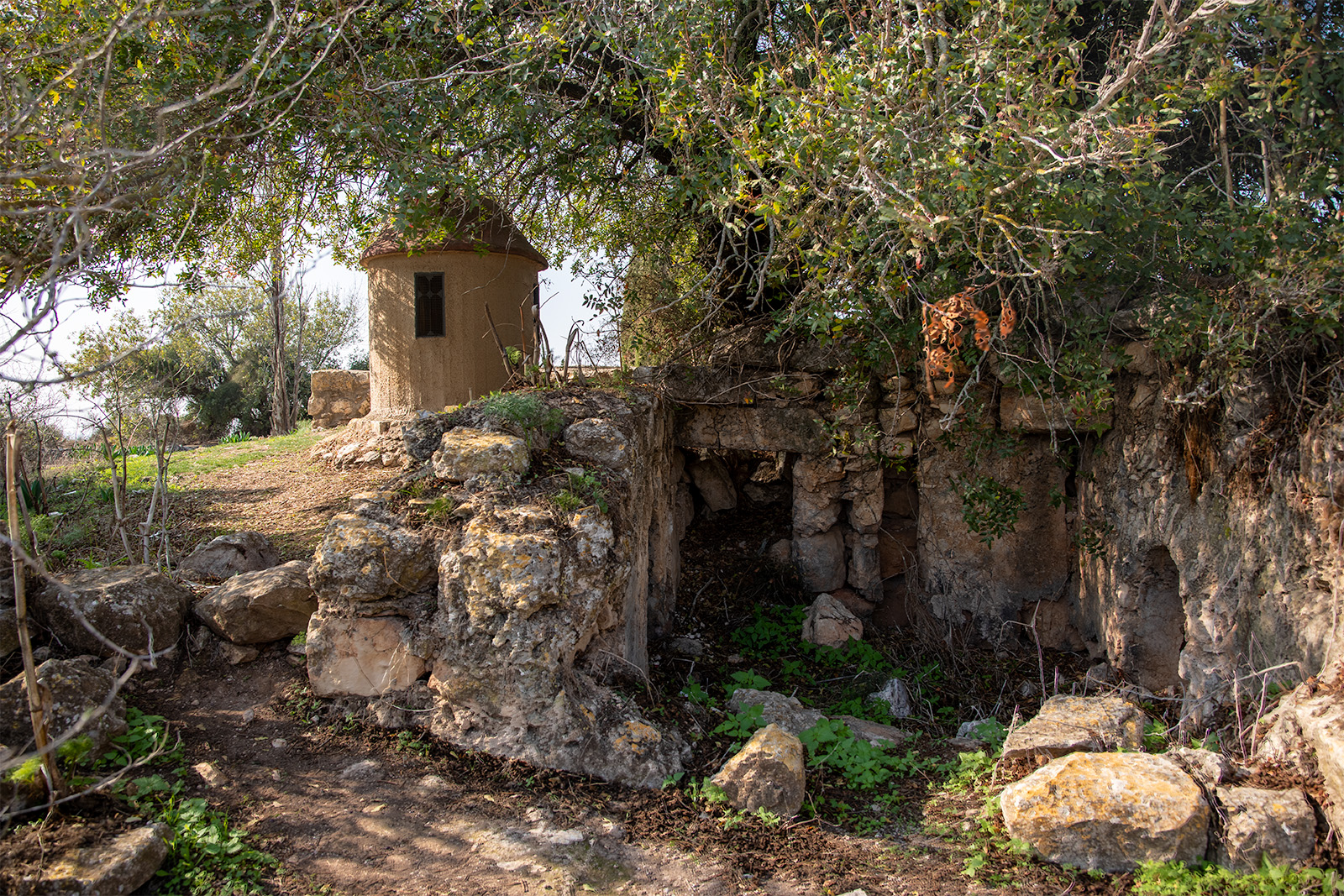
Behind the chapel, natural rock outcroppings and ancient masonry blend into Mount Tabor’s rugged landscape. The simple setting preserves the quiet atmosphere that has attracted monks, pilgrims, and worshippers throughout the centuries.

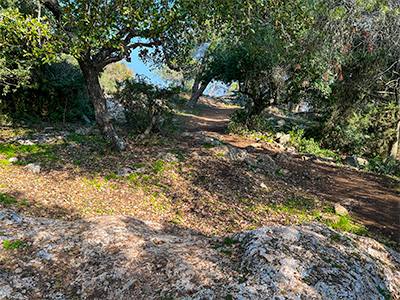
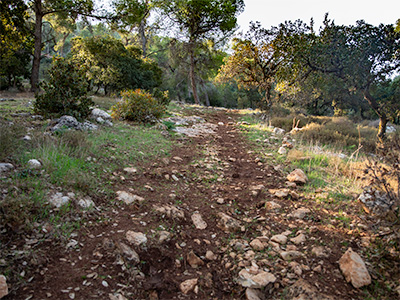
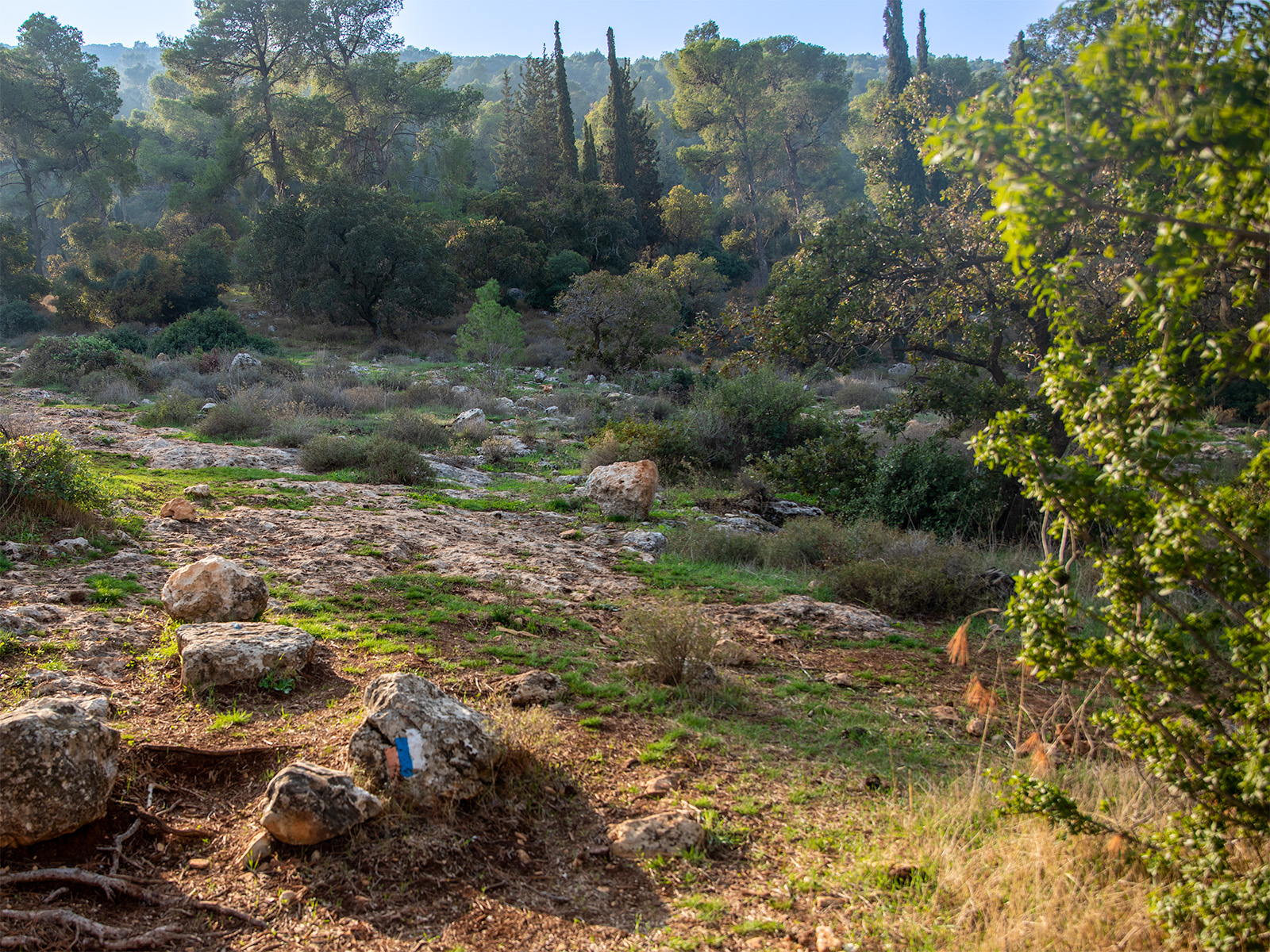
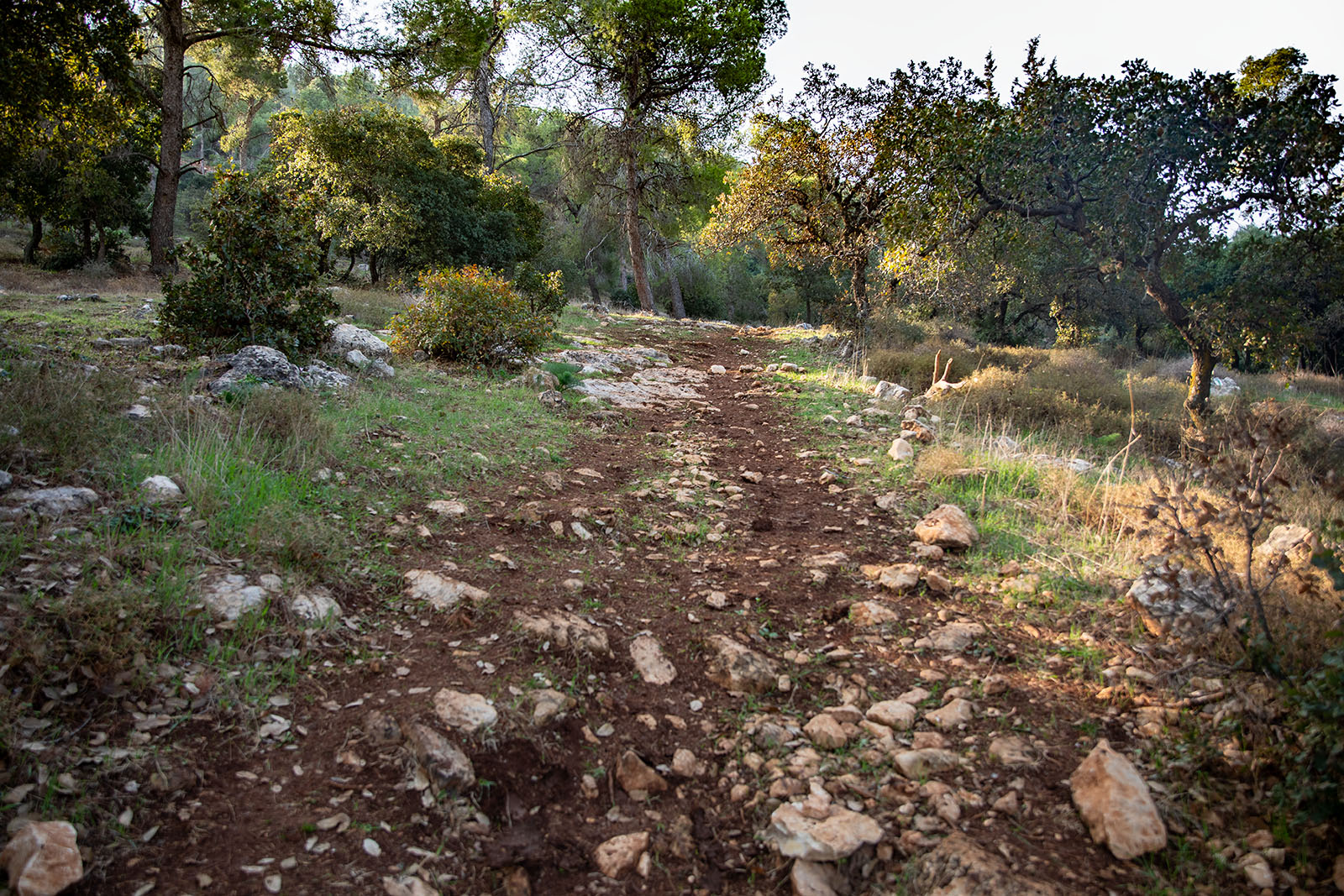
This rocky trail follows part of the traditional northern approach to Mount Tabor's summit. Long before the modern road was built, pilgrims, soldiers, and local villagers climbed similar paths to reach the mountaintop. Walking these trails quickly dispels the notion that Mount Tabor is too small to qualify as the “high mountain” of Matthew's account. Although its summit reaches only 1,886 feet (575 meters) above sea level, the mountain rises steeply and in isolation from the surrounding Jezreel Valley, making the climb far more demanding than photographs suggest.

Shaded by oaks and pines, another section of the northern trail climbs steadily toward the summit. The peaceful walk offers a reminder that, despite its fame, Mount Tabor remains one of Galilee’s most beautiful natural landscapes.

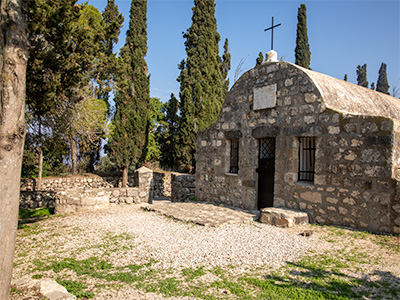
This small chapel commemorates Jesus’s command to Peter, James, and John after the Transfiguration: “Tell the vision to no man, until the Son of Man be risen again from the dead” (Matthew 17:9). According to long-standing Christian tradition, the instruction was given nearby as the disciples descended from Mount Tabor, and this chapel preserves the memory of that sacred moment.

Mount Precipice - Nazareth

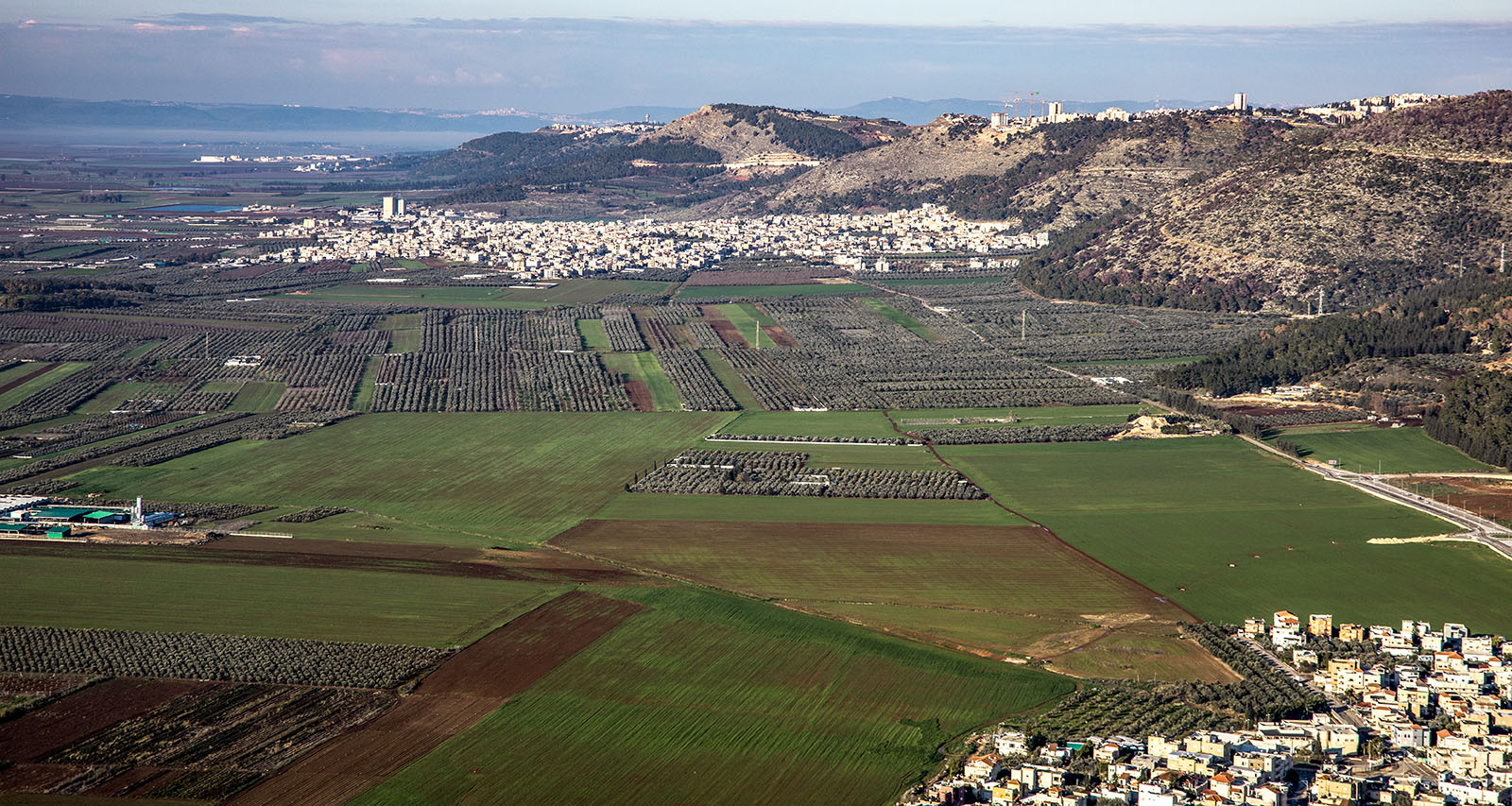
From the summit of Mount Tabor, the Nazareth mountain range rises across the Jezreel Valley, with Mount Precipice visible on the southern rim and modern Nazareth spread across the basin below. This view connects two of Galilee’s most significant biblical sites, where Jesus was transfigured on Tabor and later rejected by the people of His hometown.

Mount Tabor

Seen from the lower southern slopes of the Nazareth mountain range, Mount Tabor dominates the eastern skyline. Its isolated, rounded profile has made it one of the Holy Land’s most recognizable landmarks for thousands of years, standing watch over the fertile valleys that linked Nazareth with the Sea of Galilee and the Jordan Valley.

Mount Tabor from biblical Nain

Viewed from the biblical village of Nain, Mount Tabor rises prominently above the surrounding countryside. Nain is remembered as the place where Jesus restored the widow’s son to life (Luke 7:11–17), making this landscape a fitting reminder that several of Christ’s most memorable Galilean miracles took place within sight of this mountain.

Mount Tabor from Megiddo

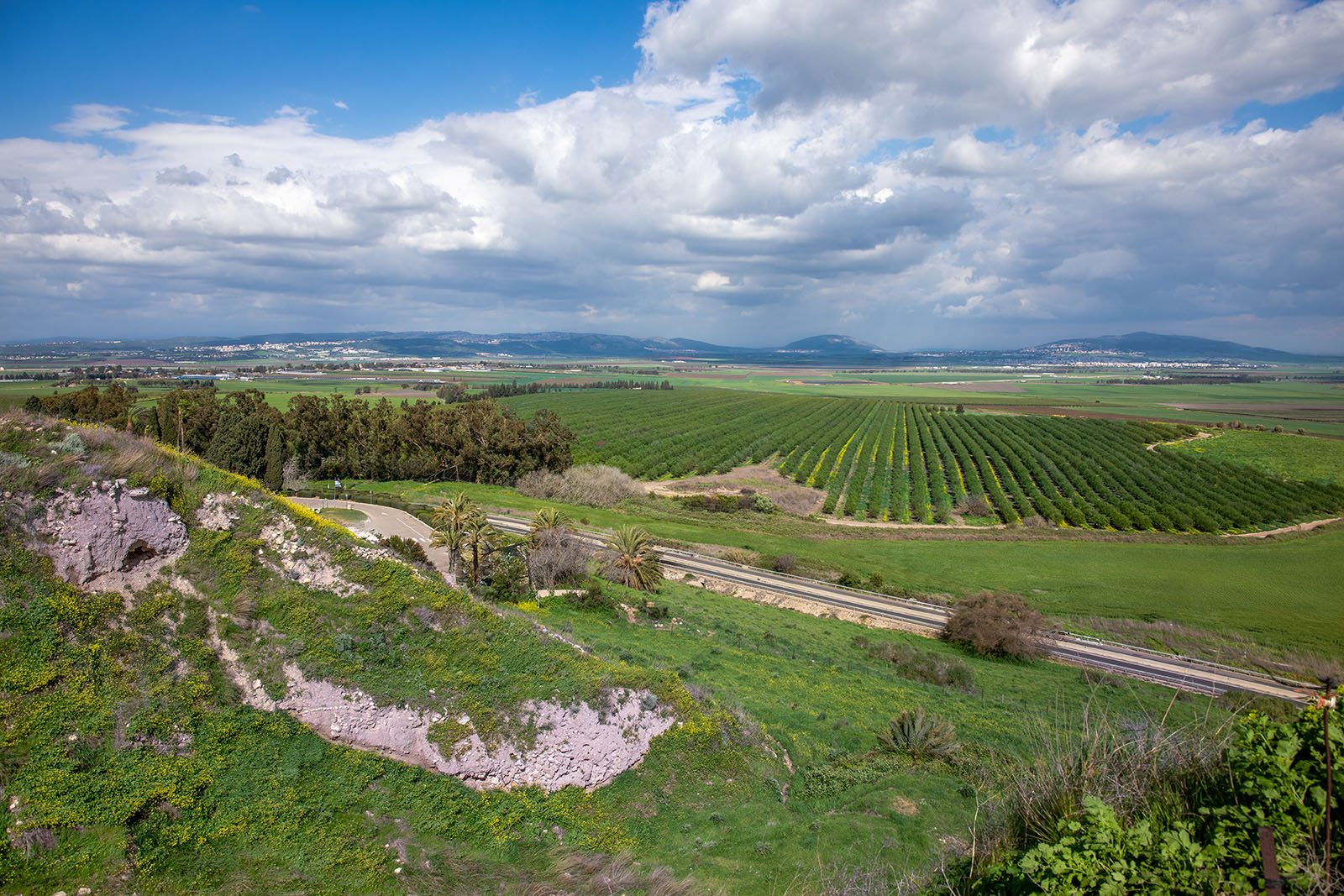
Looking east from the heights of Megiddo, Mount Tabor stands beyond the broad expanse of the Jezreel Valley. Throughout biblical history this fertile plain served as a crossroads for trade, military campaigns, and prophetic events, while Tabor remained a prominent landmark overlooking the routes that crossed the valley below.

Mount Tabor from the Jezreel Valley

The southern slopes of Mount Tabor rise abruptly from the fertile Jezreel Valley, emphasizing the mountain’s unique freestanding form. Its steep sides and commanding position made it an ideal place of refuge in ancient times and help explain why it became associated with important biblical events and later Christian tradition.

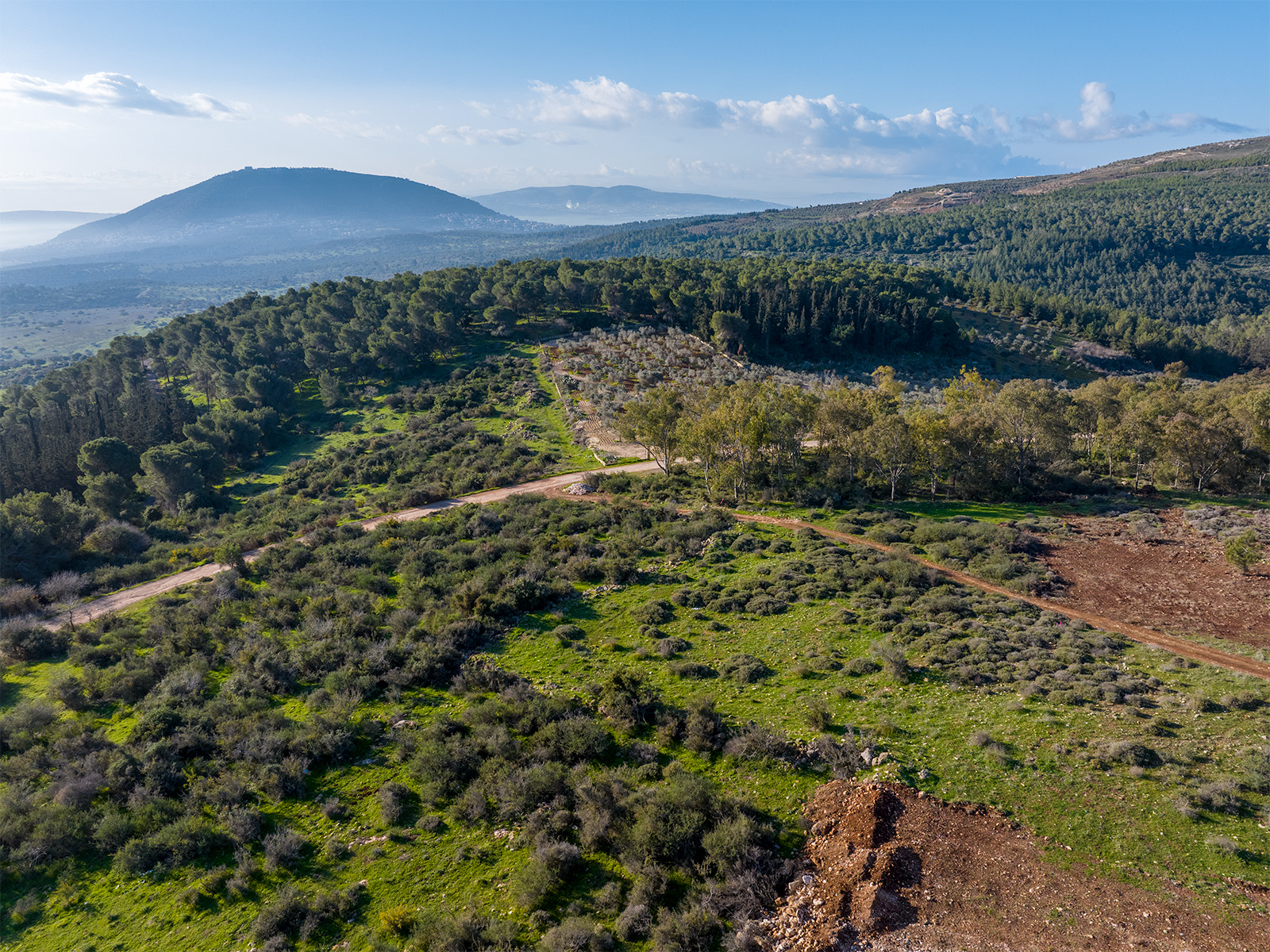
Mount Tabor from the Nazareth Ridge

From the eastern slopes of the Nazareth mountain range, Mount Tabor rises beyond forests and rolling hills that separate Nazareth from the Jezreel Valley. This perspective highlights the mountain’s strategic location between Lower Galilee and the valley, where it has served as a familiar landmark for travelers, pilgrims, and armies throughout history.

Major Events at Mount Tabor

Click the map to show or hide the overlay
Ein Harod Map