Mamshit (Mampsis) National Park
Click the title to view map
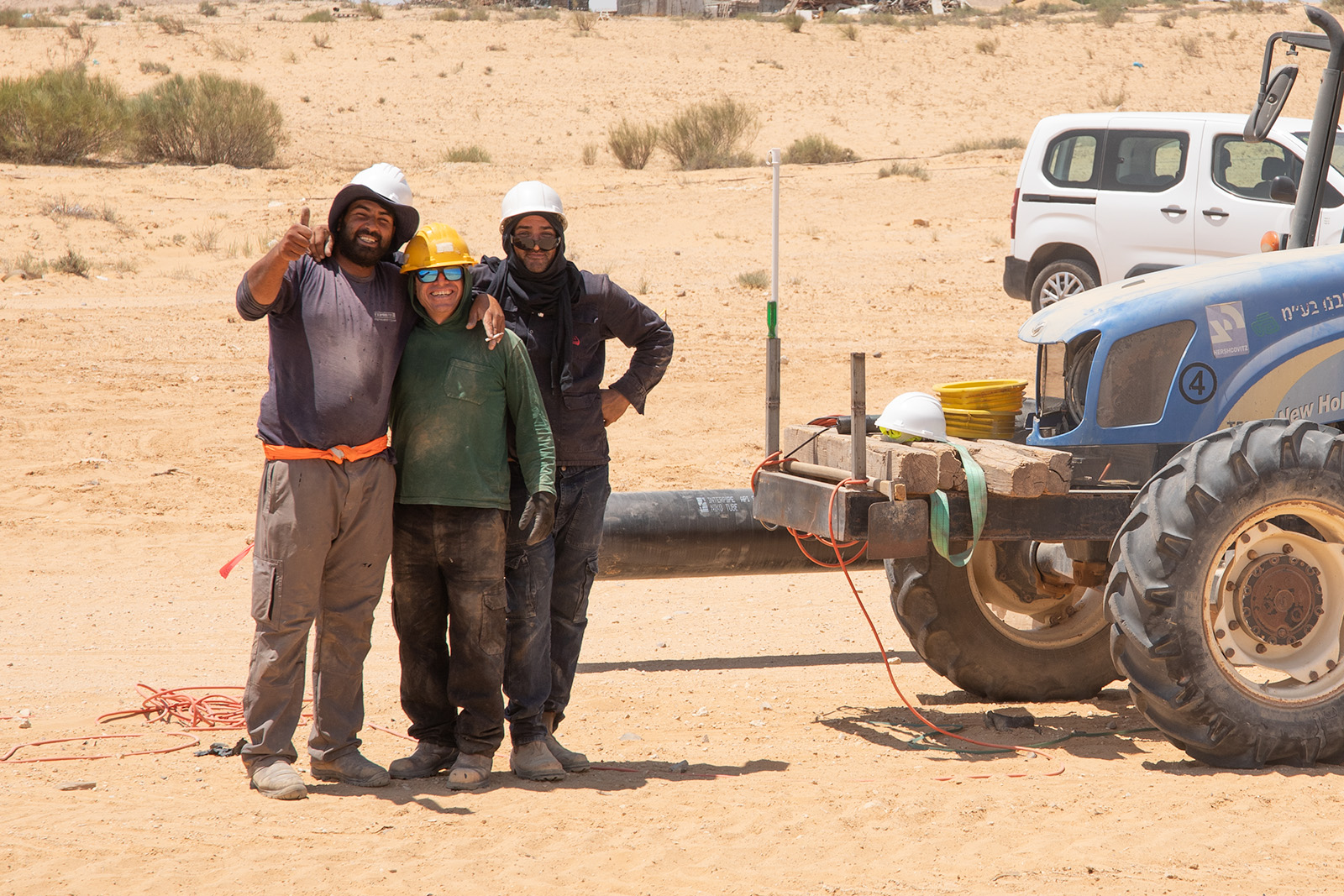
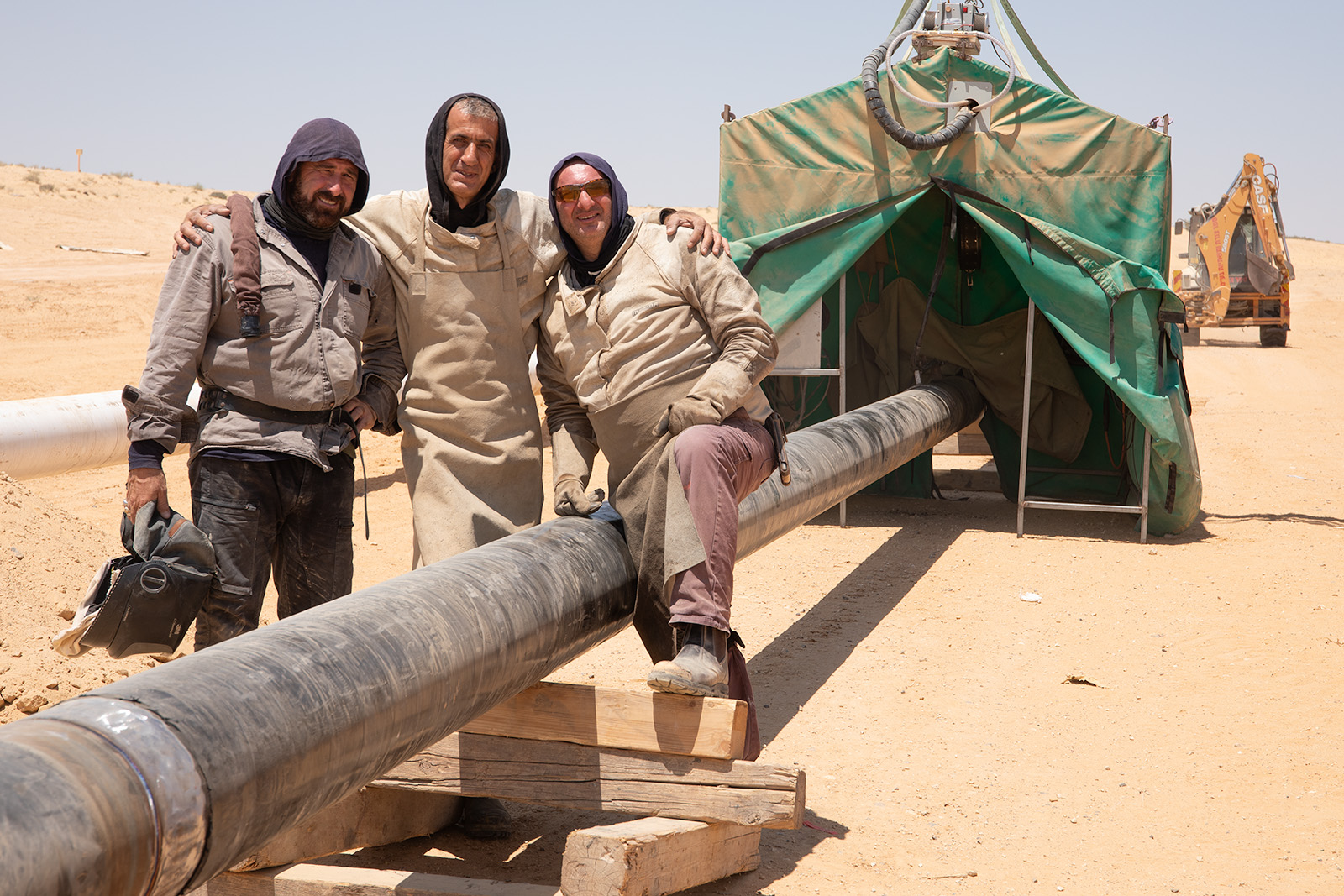
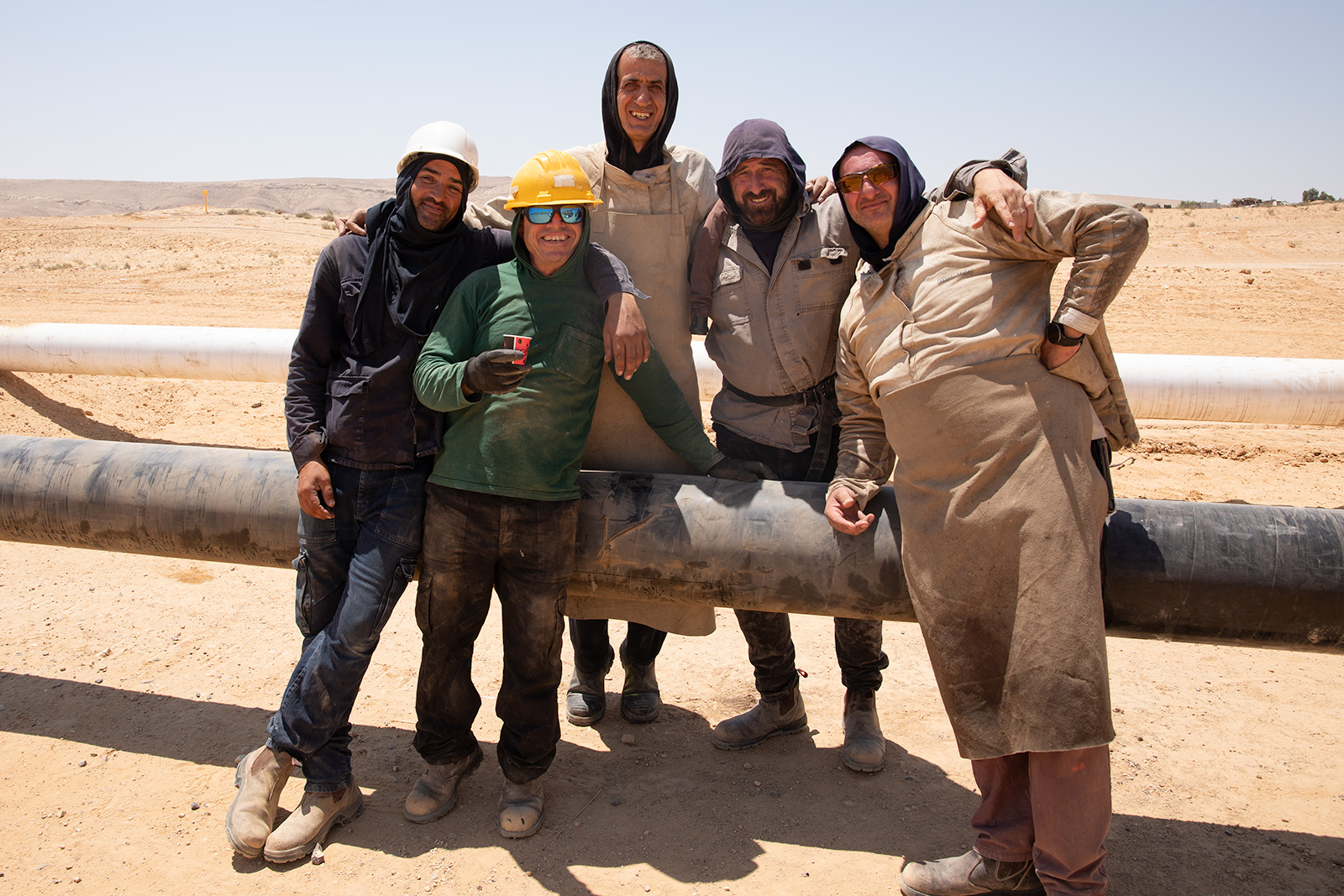
In addition to documenting archaeological sites, I occasionally include journal entries from my travels in the Holy Land. These experiences often reveal aspects of the land and its people that photographs of ancient ruins cannot capture.
Site Overview
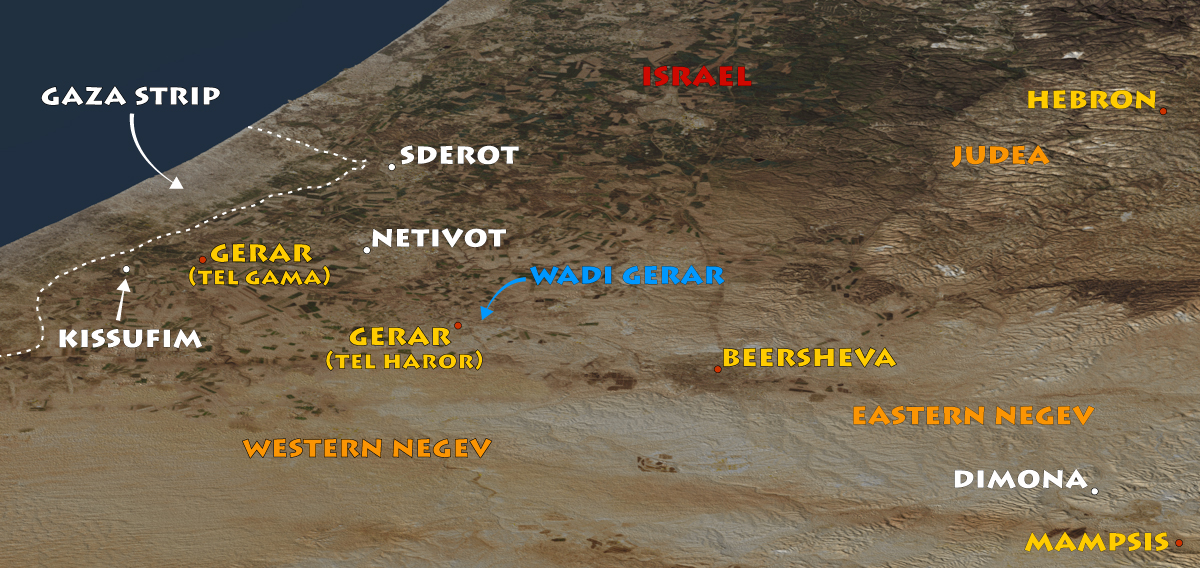
- Region: Eastern Negev
- Biblical Territory: Judah
- Modern Site: Mamshit National Park
- Names: Mamshit (Israeli name); Mampsis (ancient Roman/Byzantine name)
Introduction

Mamshit (ancient Mampsis) offers a remarkable glimpse into how the Nabateans transformed the harsh Negev Desert into a thriving center of commerce. Situated along the Incense Road, the city prospered through long-distance trade between Arabia and the Mediterranean world. Today, visitors can walk its ancient streets, explore the remains of wealthy residences, admire Byzantine churches and mosaics, and examine the sophisticated water systems that sustained life in one of the driest regions of the Holy Land. Few archaeological sites illustrate the resourcefulness, wealth, and adaptability of the Nabateans as clearly as Mamshit.
As visitors explore Mamshit’s water systems, they are reminded that the challenge of making the desert bloom did not begin in modern times. The ingenuity displayed here by the Nabateans echoes the determination and innovation that continue to characterize life in the Negev today.
History of Mamshit
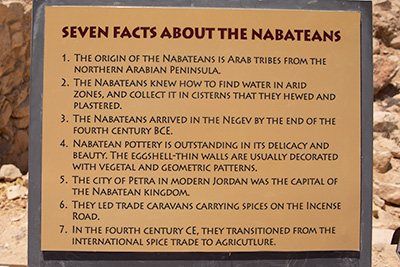
The Nabateans were an ancient Arab people whose capital city was Petra in present-day Jordan. Located 3.9 miles (6.25 kilometers) east of Dimona in Israel’s eastern Negev, Mamshit was an important stop along the Incense Road that connected southern Arabia with the Mediterranean world. Caravans transported valuable commodities such as frankincense and myrrh through the region, bringing wealth and prosperity to the settlement.
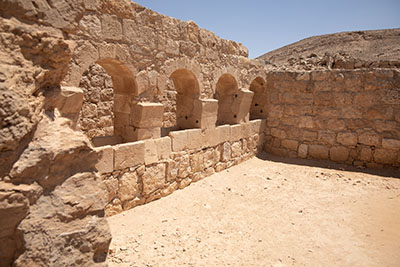
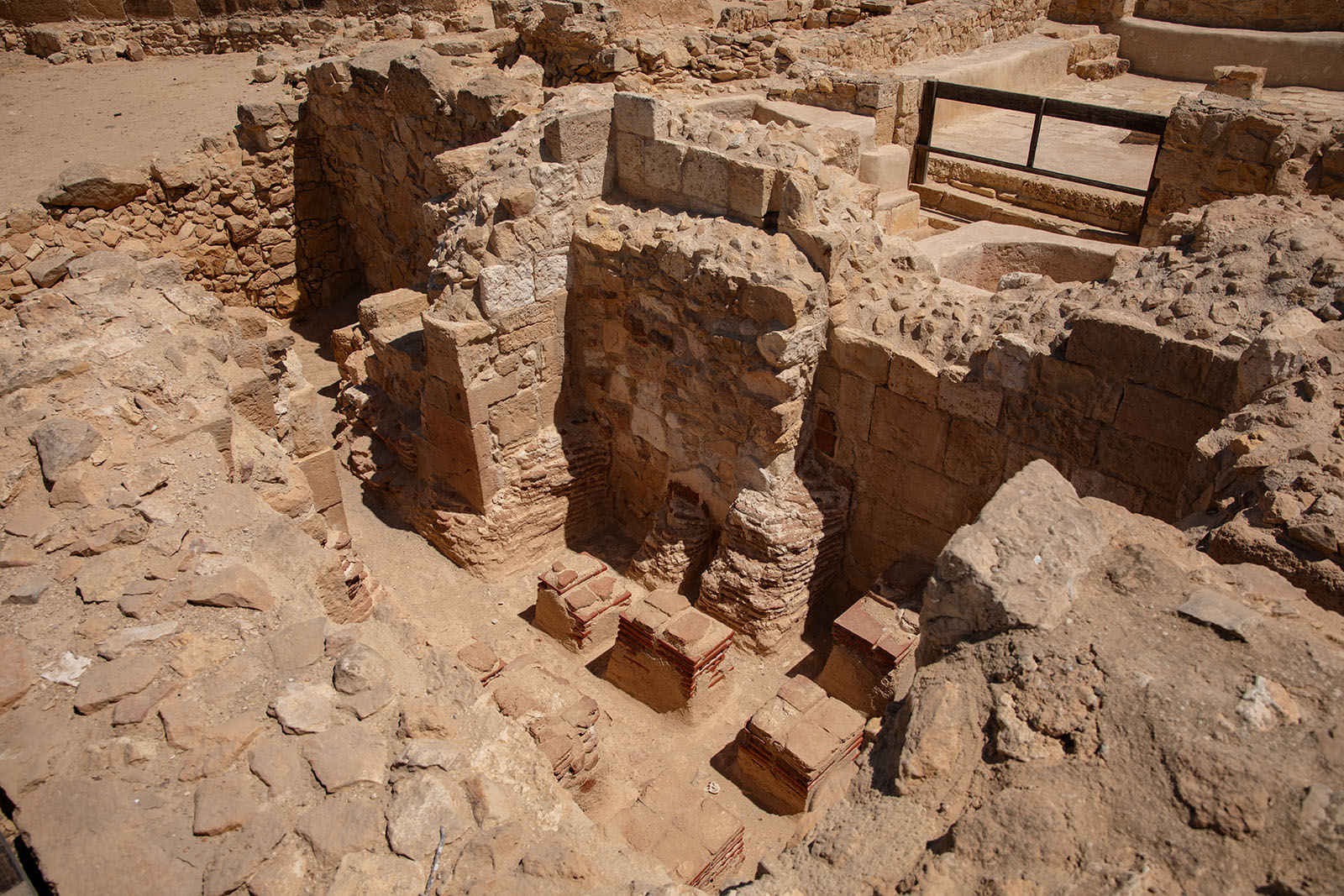
Although the site originated during the Nabatean period, most of the structures visible today date to the second century AD, after Rome annexed the Nabatean kingdom in AD 106. The city’s large residences, public buildings, and sophisticated water systems reflect a thriving community that successfully adapted to life in one of the harshest environments of the ancient Near East.
The dams on Wadi Mamshit testify to the Nabateans’ remarkable ability to collect and store scarce rainfall. By channeling seasonal floodwaters into reservoirs and cisterns, they transformed a barren desert landscape into a prosperous settlement (see the fifth photo below).
During the late Second Temple period (c. 63 BC–AD 70), the Nabataeans controlled much of the desert trade passing through the Negev. Their kingdom frequently interacted—and sometimes clashed—with the neighboring Herodian dynasty, whose founder, Herod the Great, was descended from the Idumeans, the descendants of the ancient Edomites. The ruins of Mamshit preserve a remarkable window into this often-overlooked world that existed alongside the events of the New Testament.