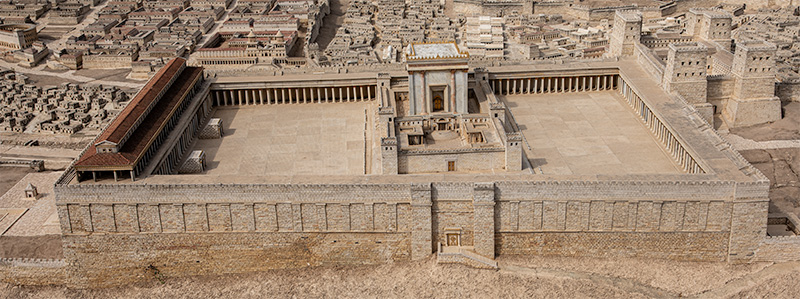
Jerusalem — New City Photo Gallery
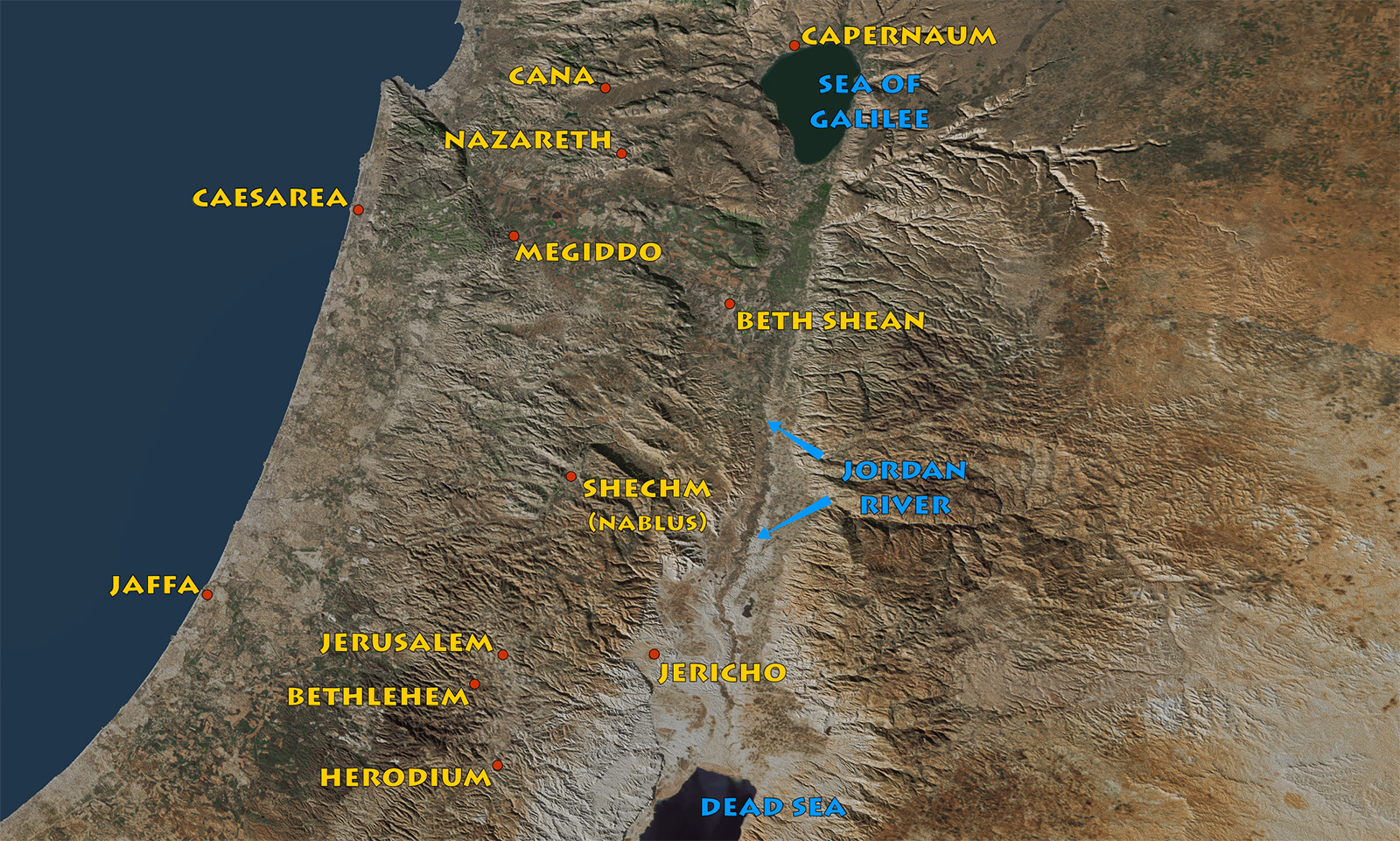
Click the title to view Jerusalem satellite map
Jerusalem Overview
- Region: Judean Mountains
- Biblical Territory: Benjamin (adjacent to Judah; later capital of the united kingdom and Judah)
- Modern Site: Jerusalem, Israel
- Nearby Landmark: Temple Mount
- Scripture References: Gen. 22:2; 2 Sam. 5:6–10; 1 Kgs. 6–8; 2 Kgs. 25:8–10; Neh. 2–6; Luke 2:41–52; Matt. 21–28; Acts 1–2
Introduction
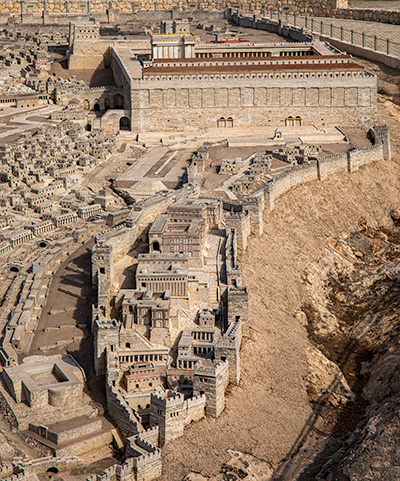
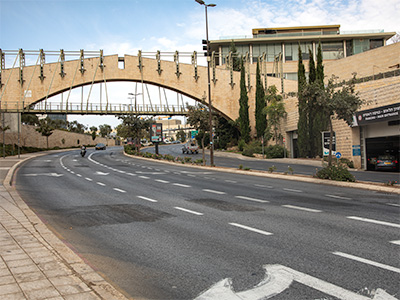
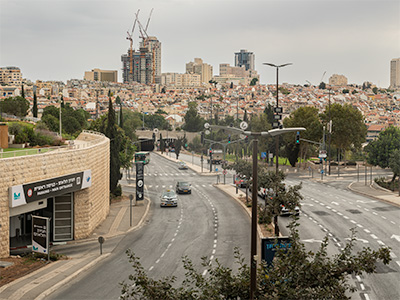
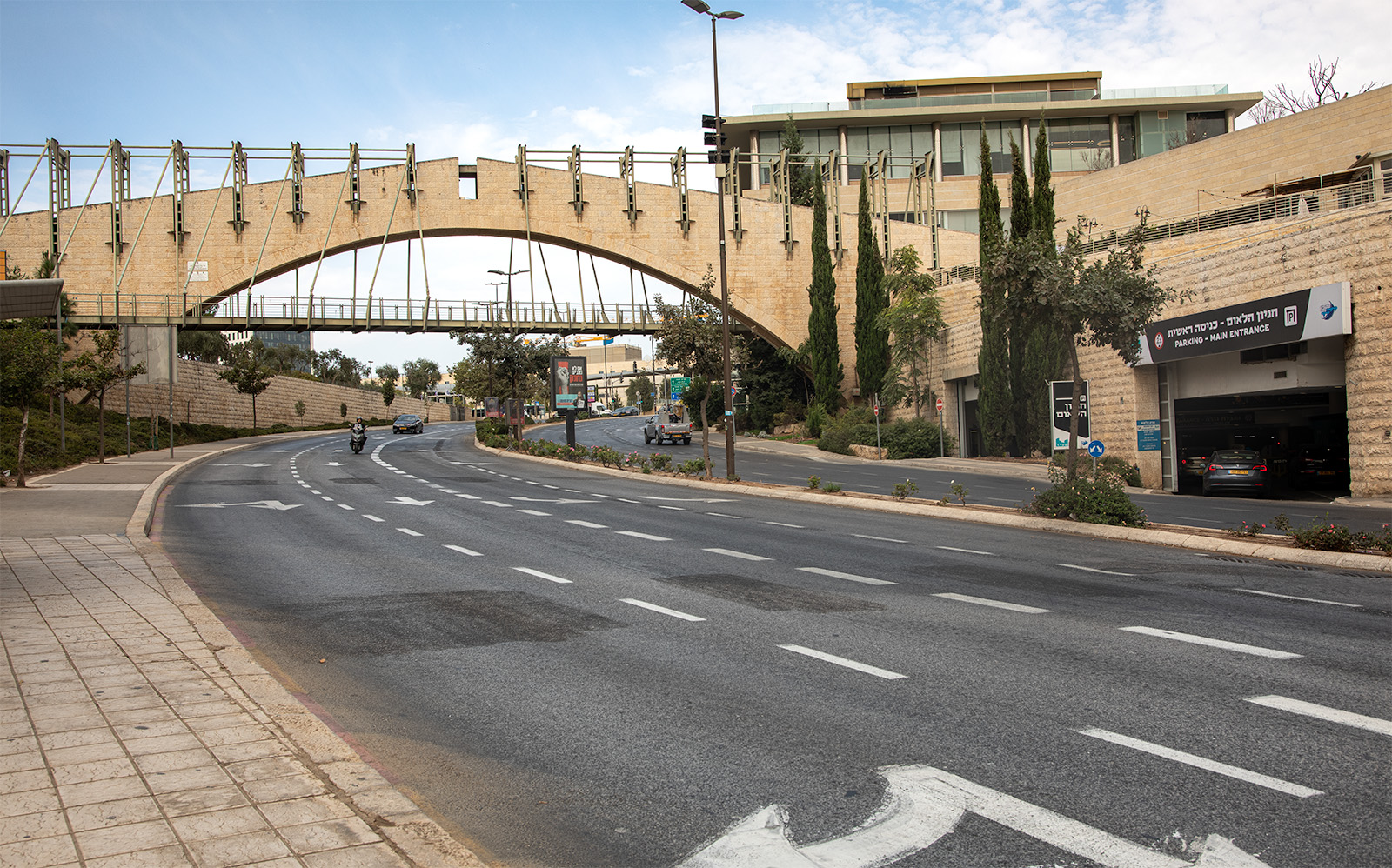
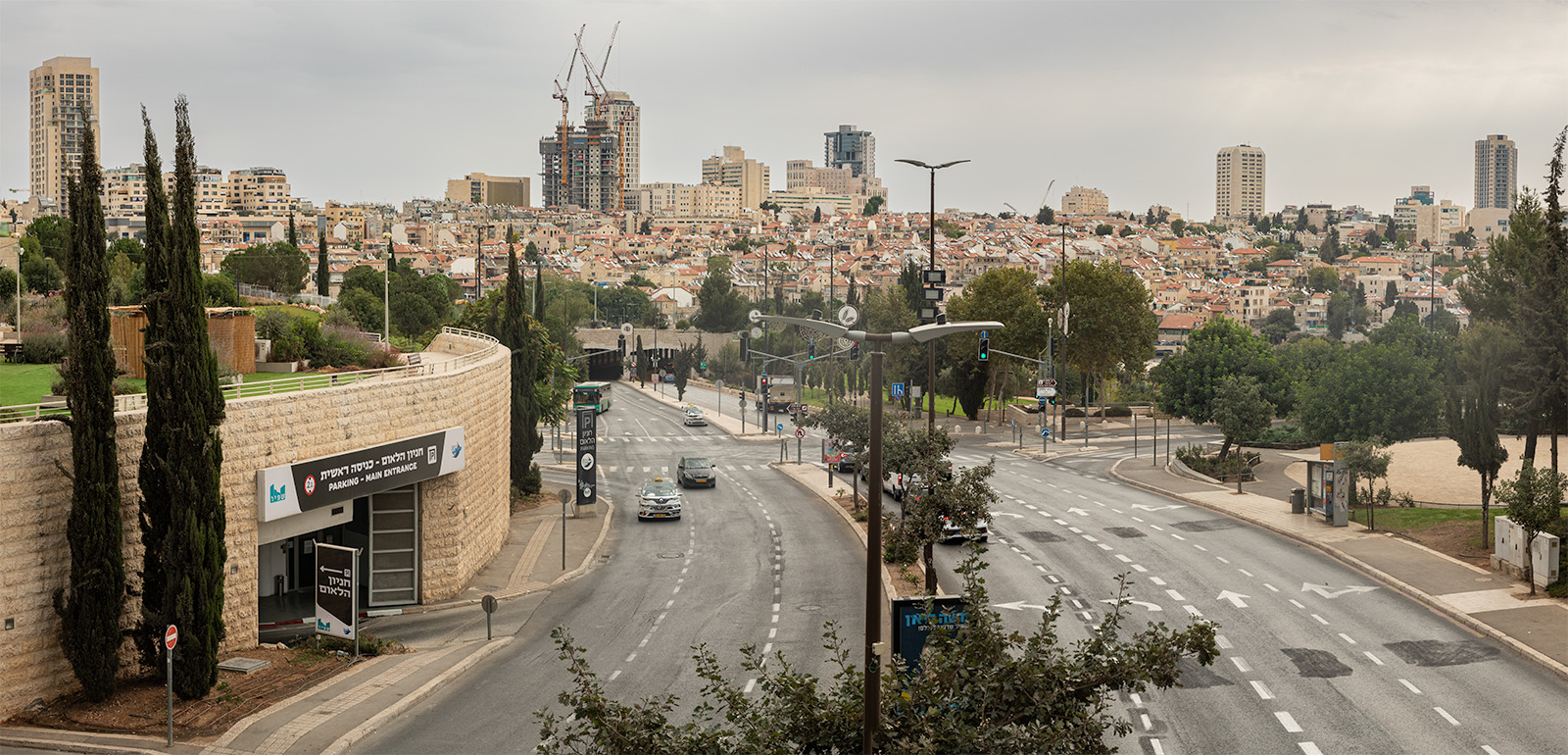
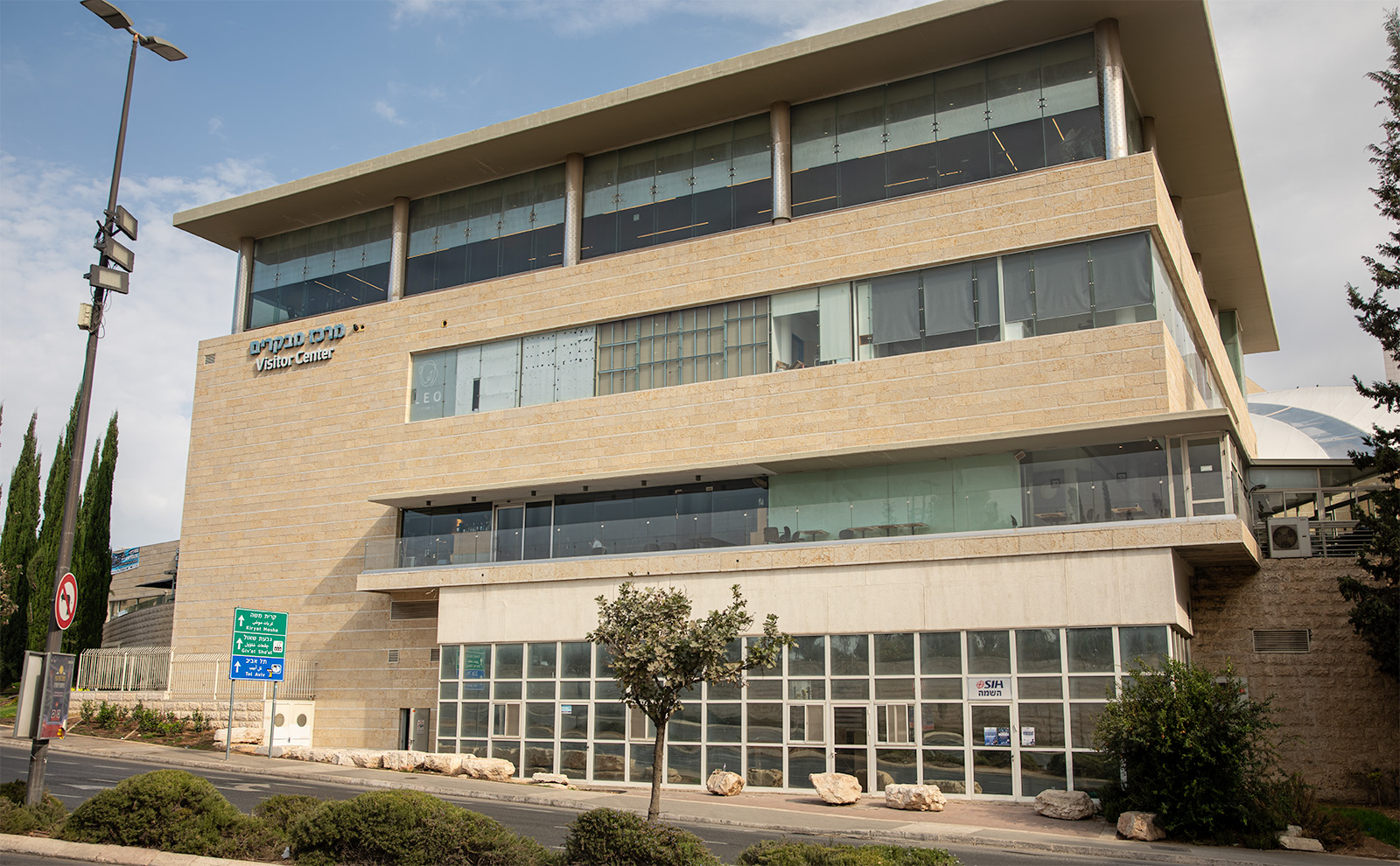
For many visitors, Jerusalem is defined by the walls, gates, churches, synagogues, and archaeological remains of the Old City. Yet most of Jerusalem today lies outside the Old City walls. Beginning in the nineteenth century and expanding dramatically after the establishment of the State of Israel in 1948, the New City developed into a large modern urban center of residential neighborhoods, commercial districts, universities, museums, and national institutions.
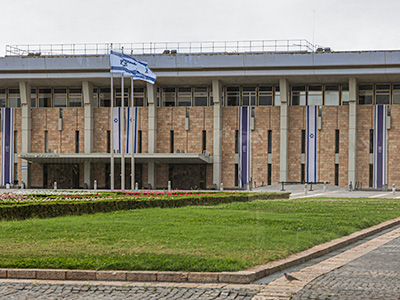
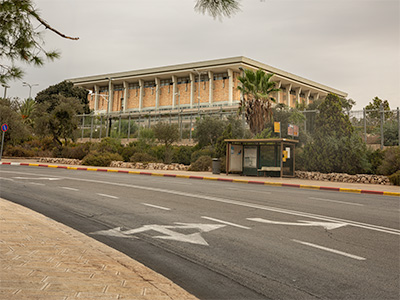
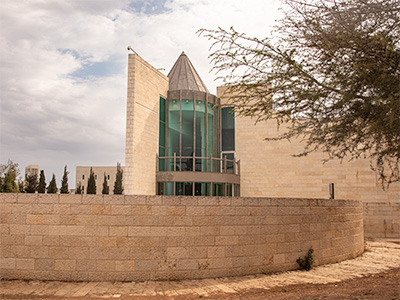
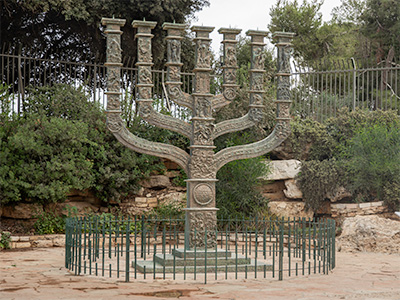
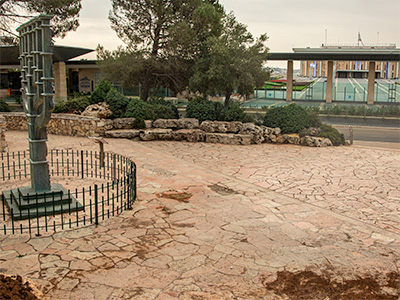
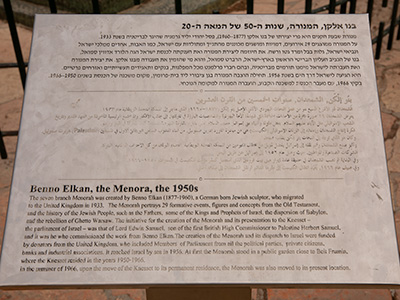
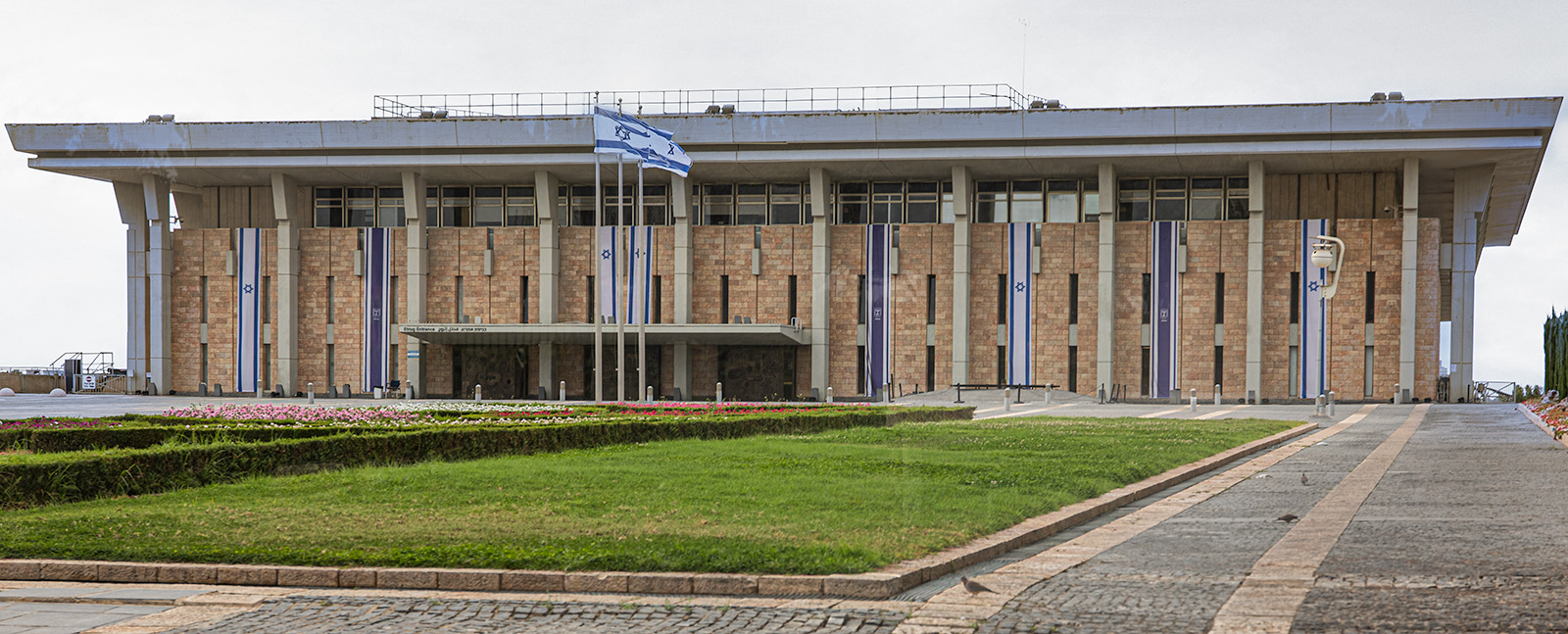
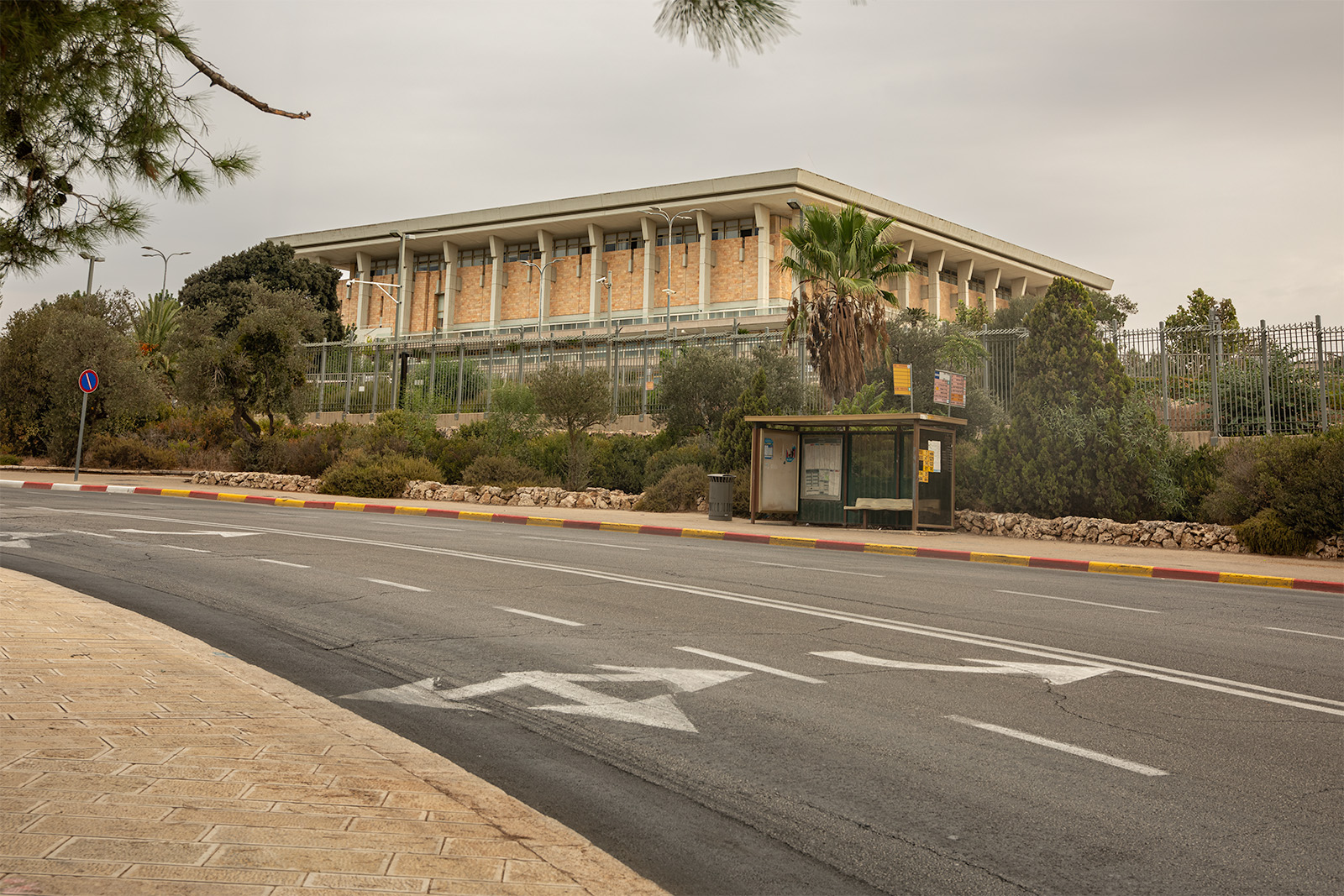
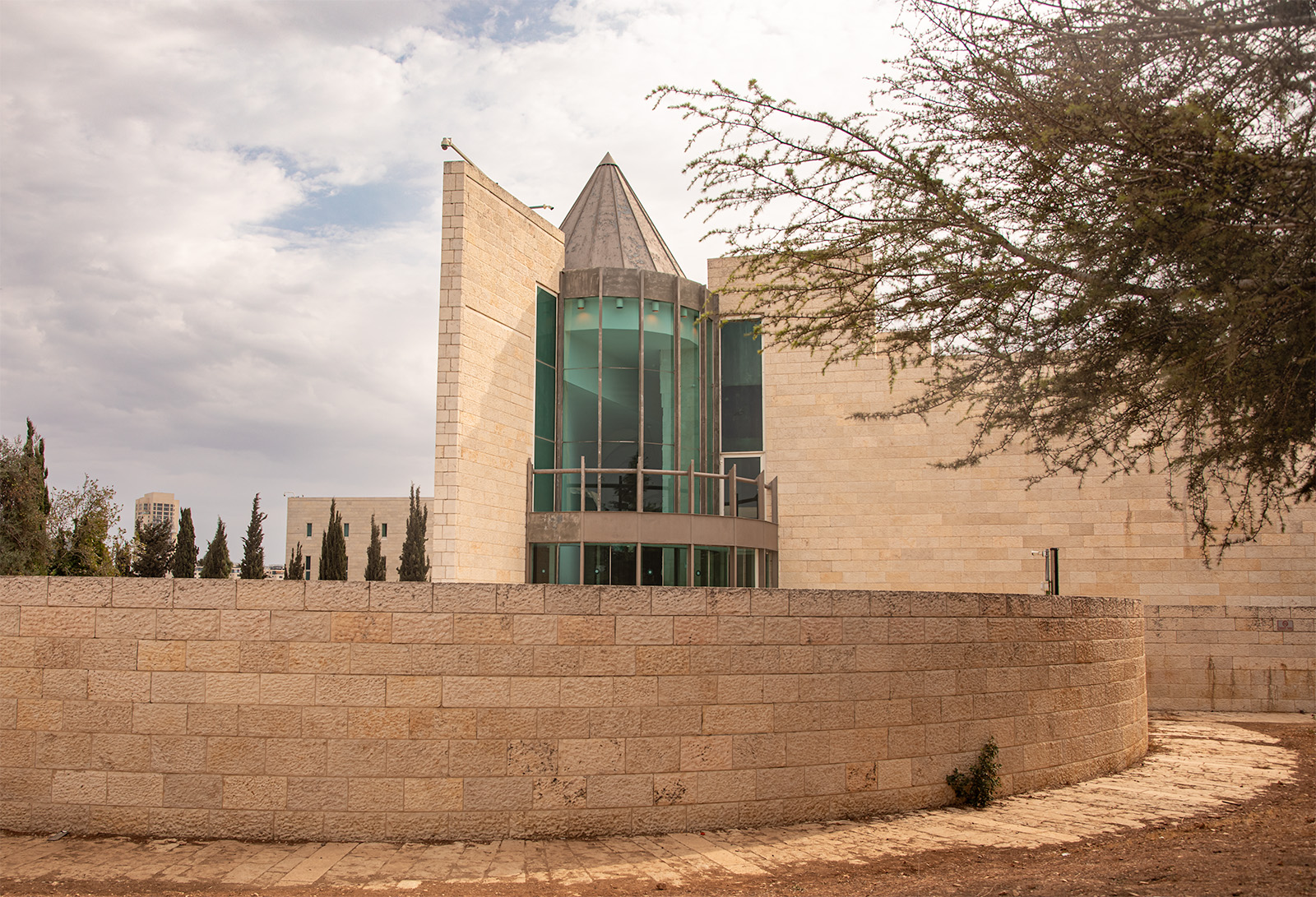
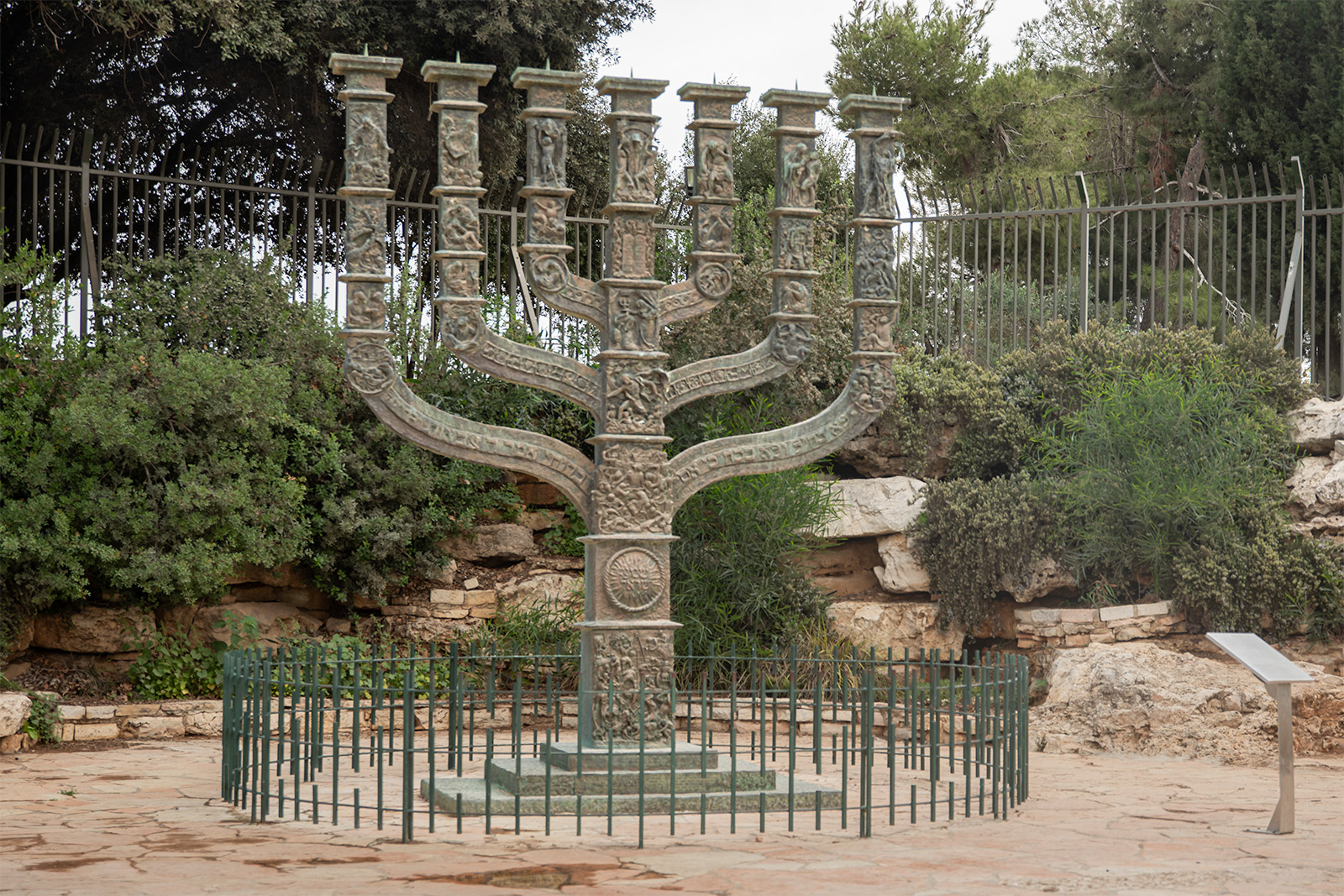
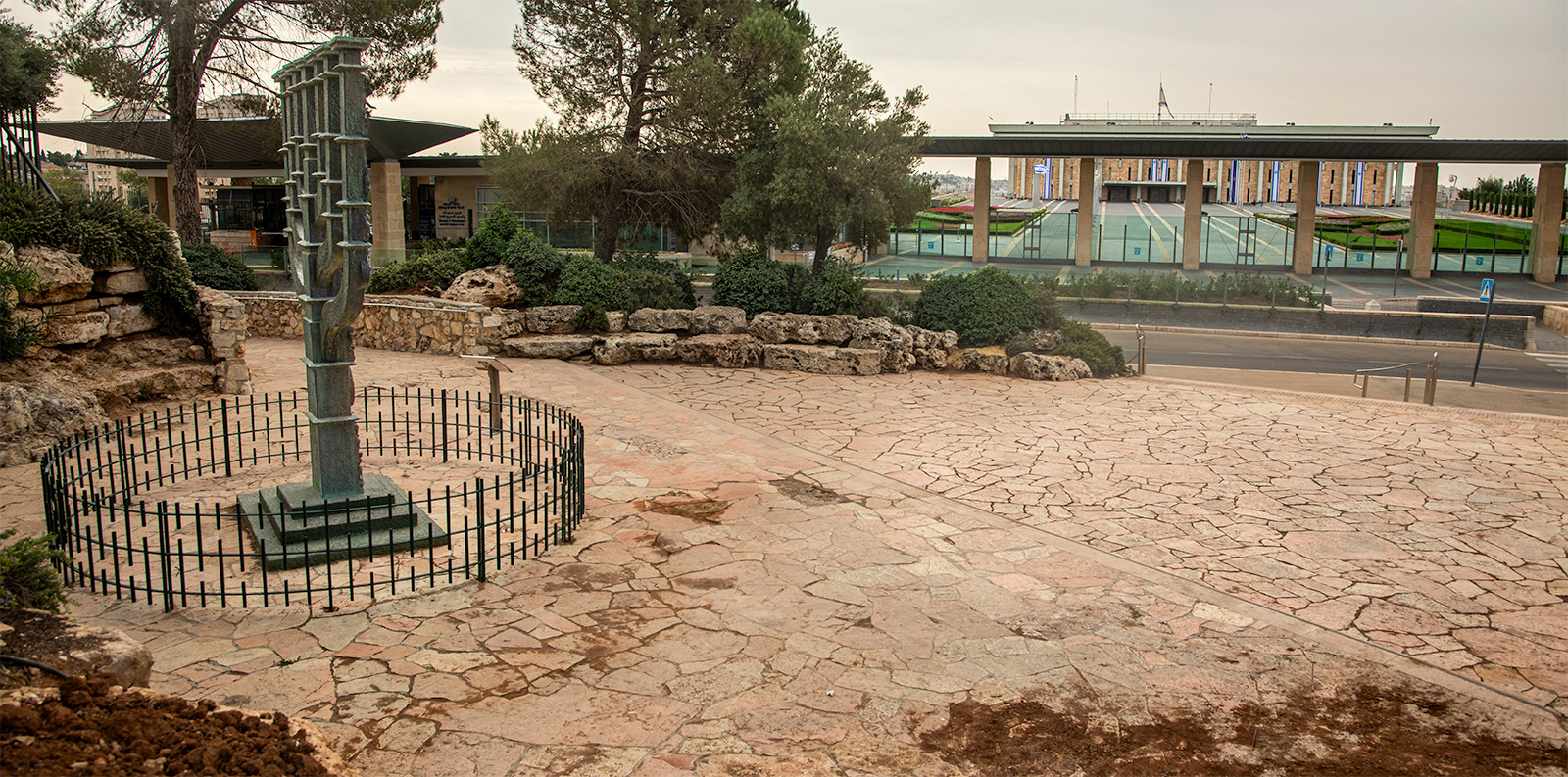
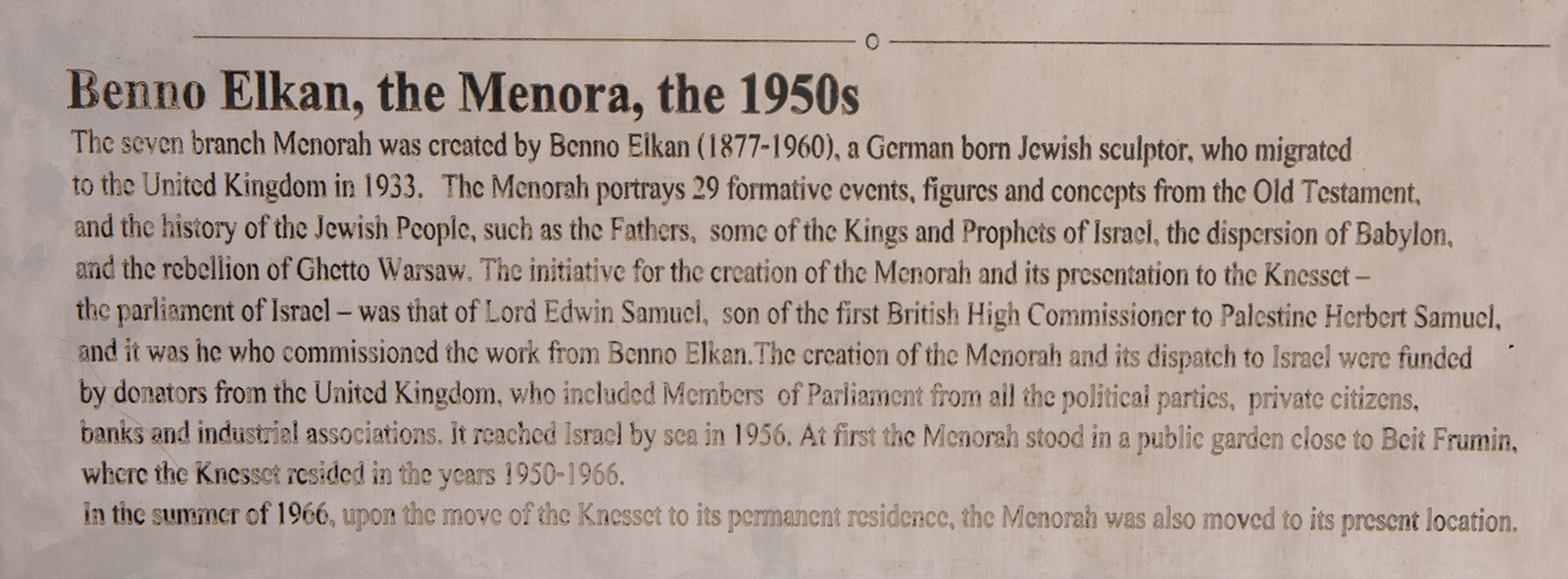
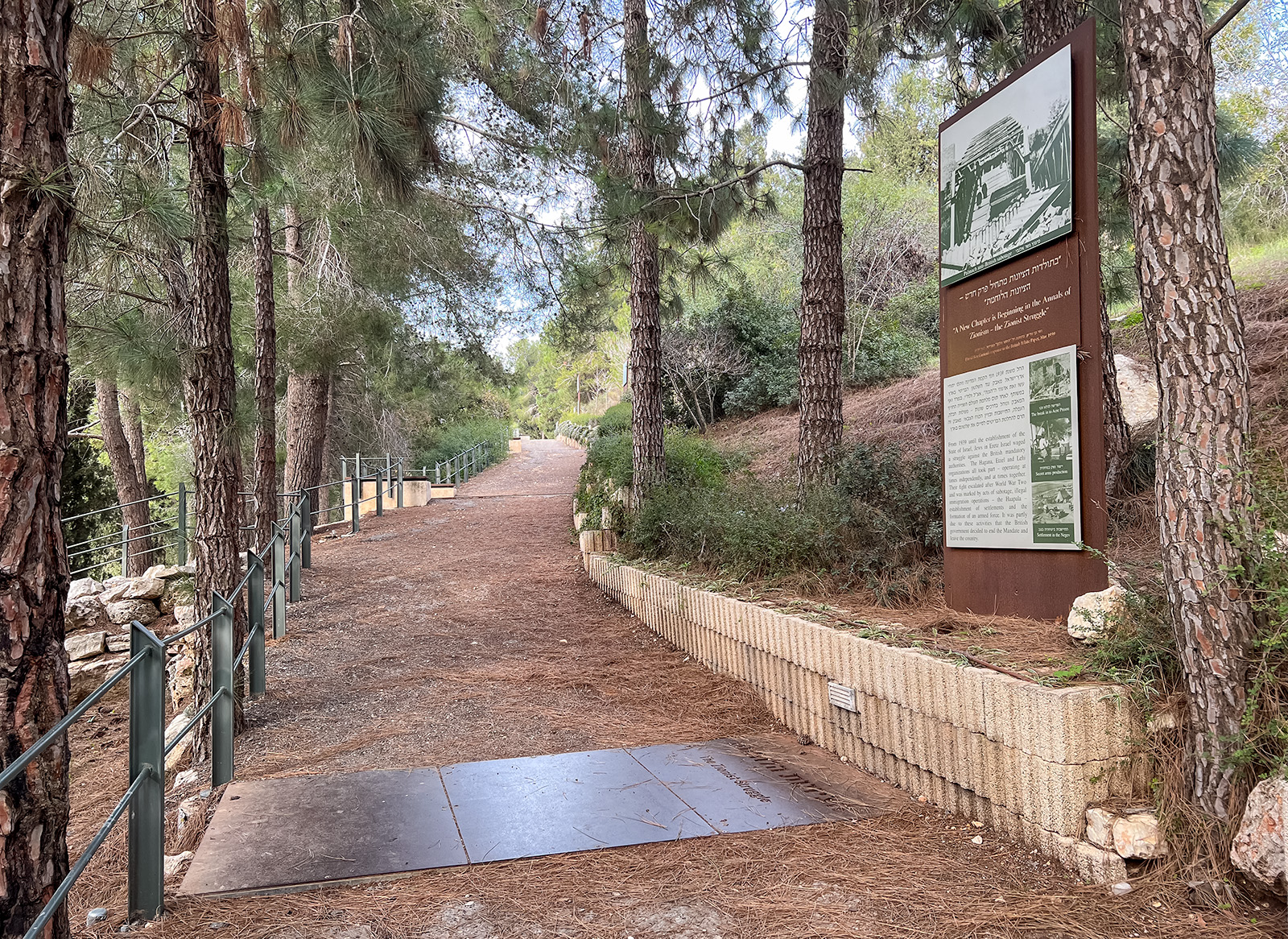
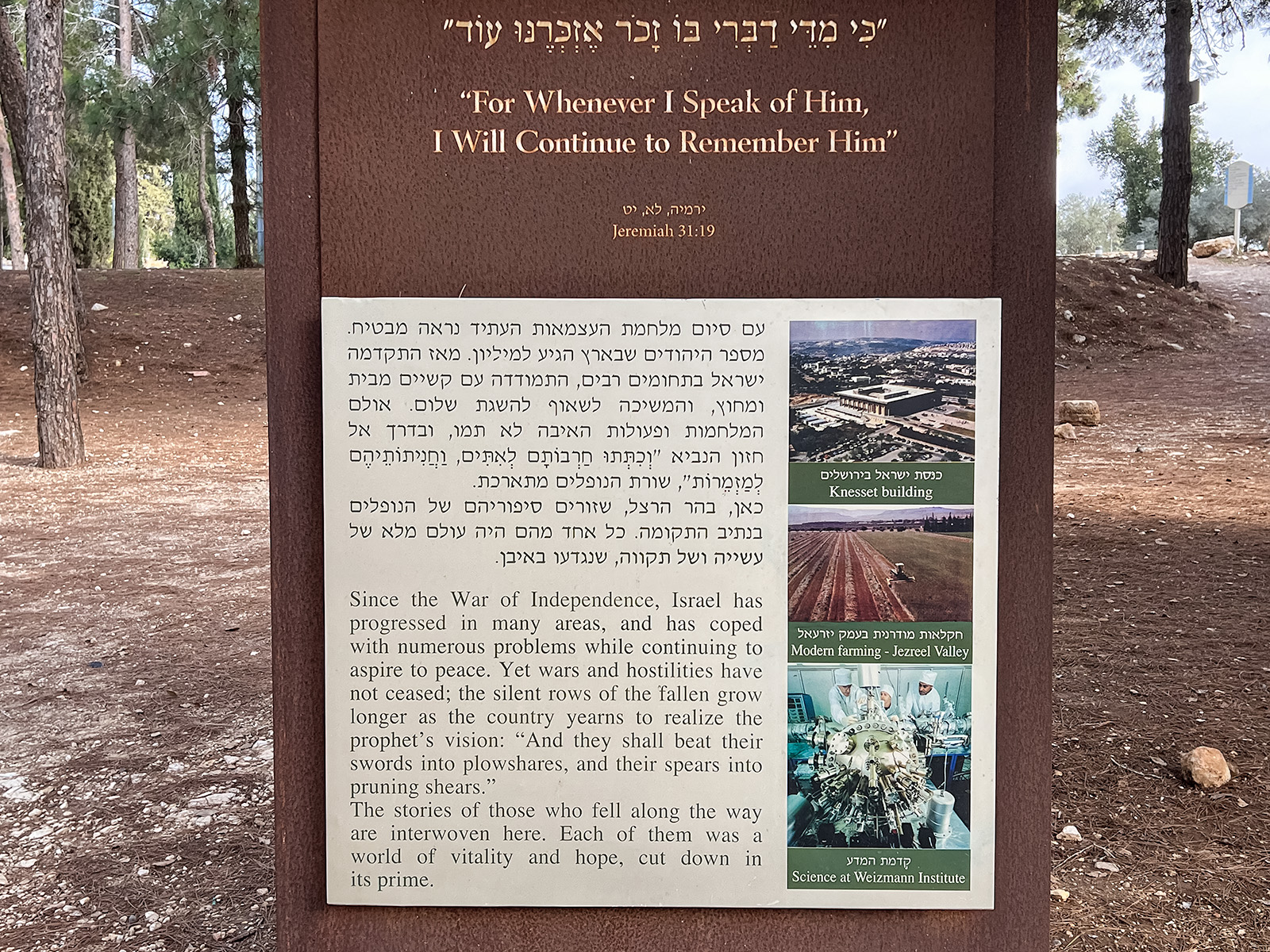
This gallery focuses on a select group of sites that illustrate Jerusalem’s role as the center of Israel’s national life. In the government district are the Knesset, Israel’s parliament, and the Supreme Court, representing two of the principal institutions of the modern state. Nearby, the Knesset Menorah uses scenes from Jewish history and tradition to connect the modern State of Israel with the much longer history of the Jewish people. Jerusalem is the seat of Israel’s Knesset, government, president, and Supreme Court.
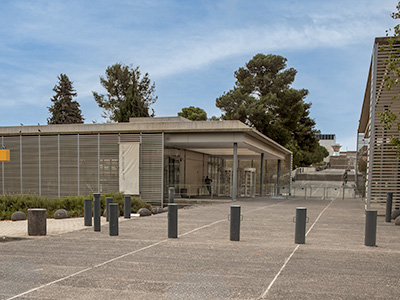
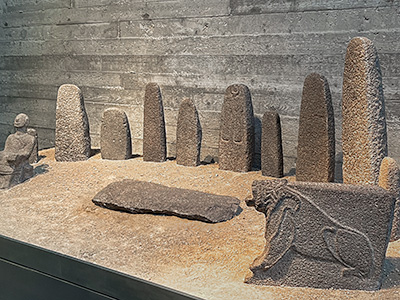
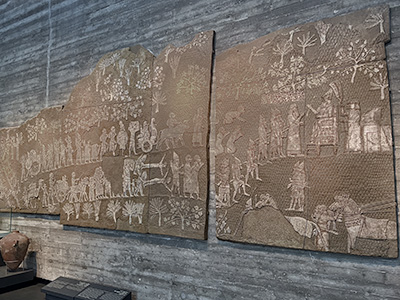
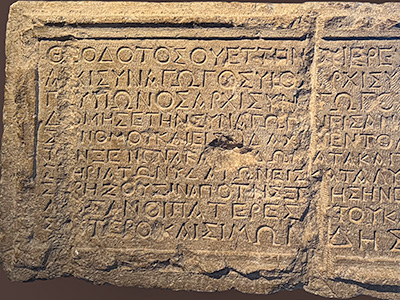
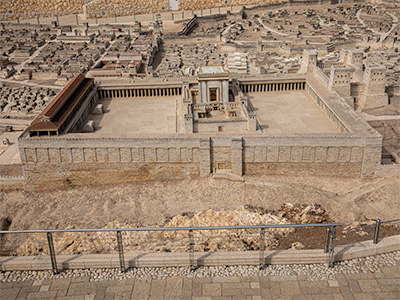
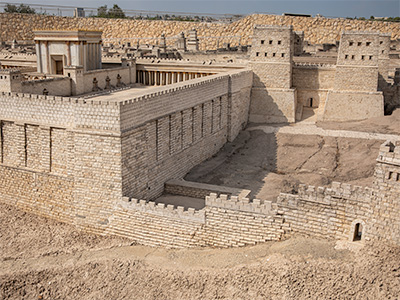
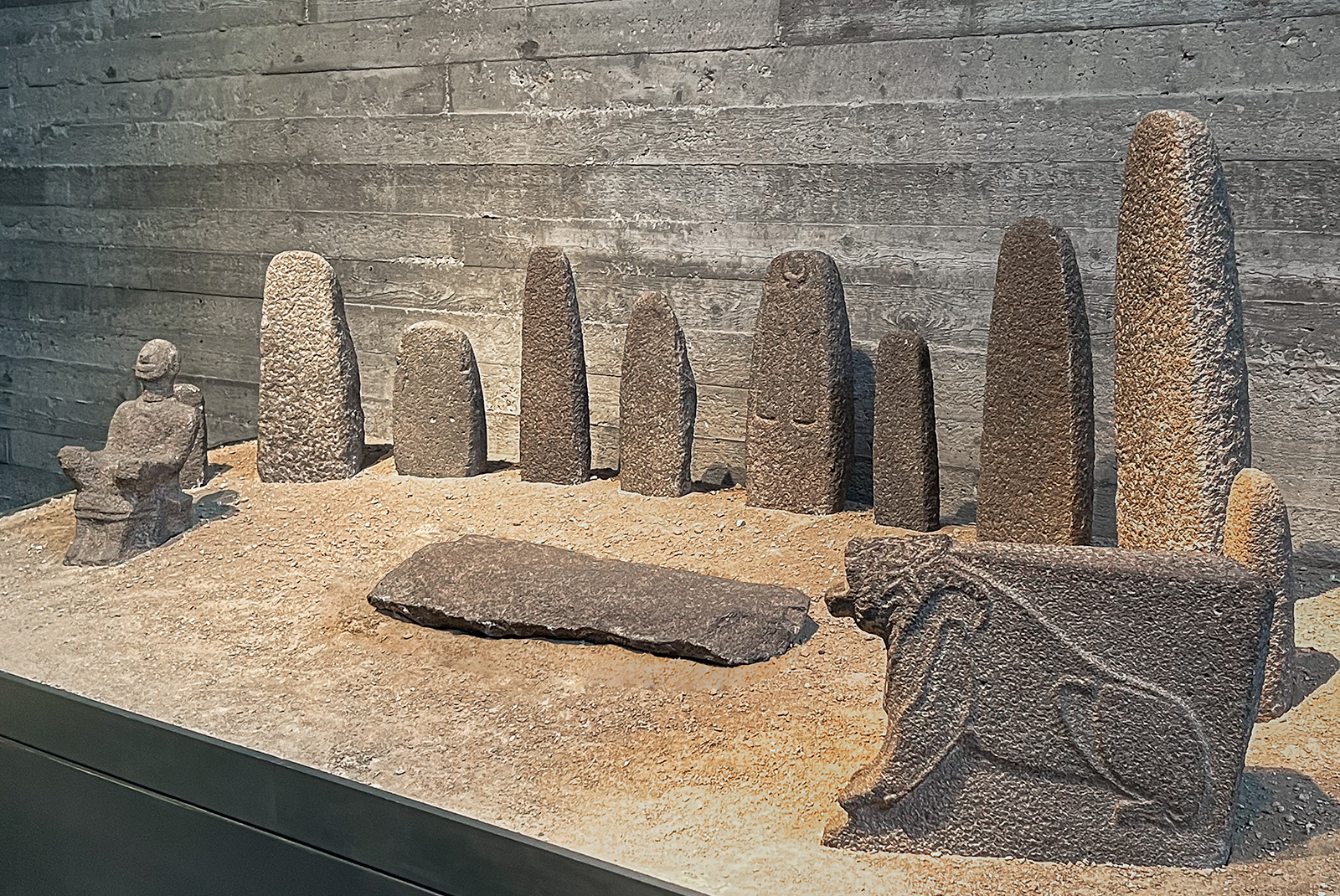
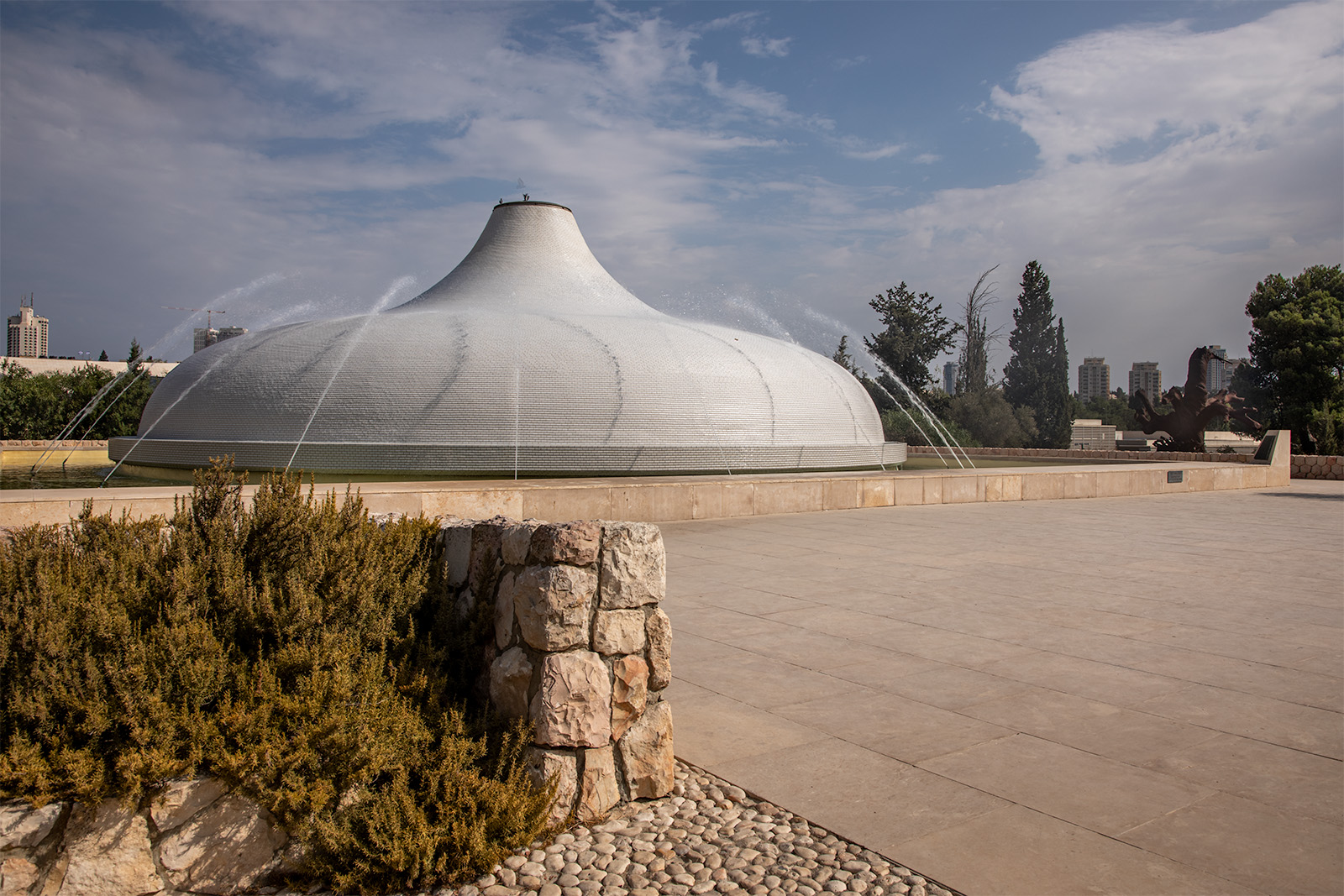
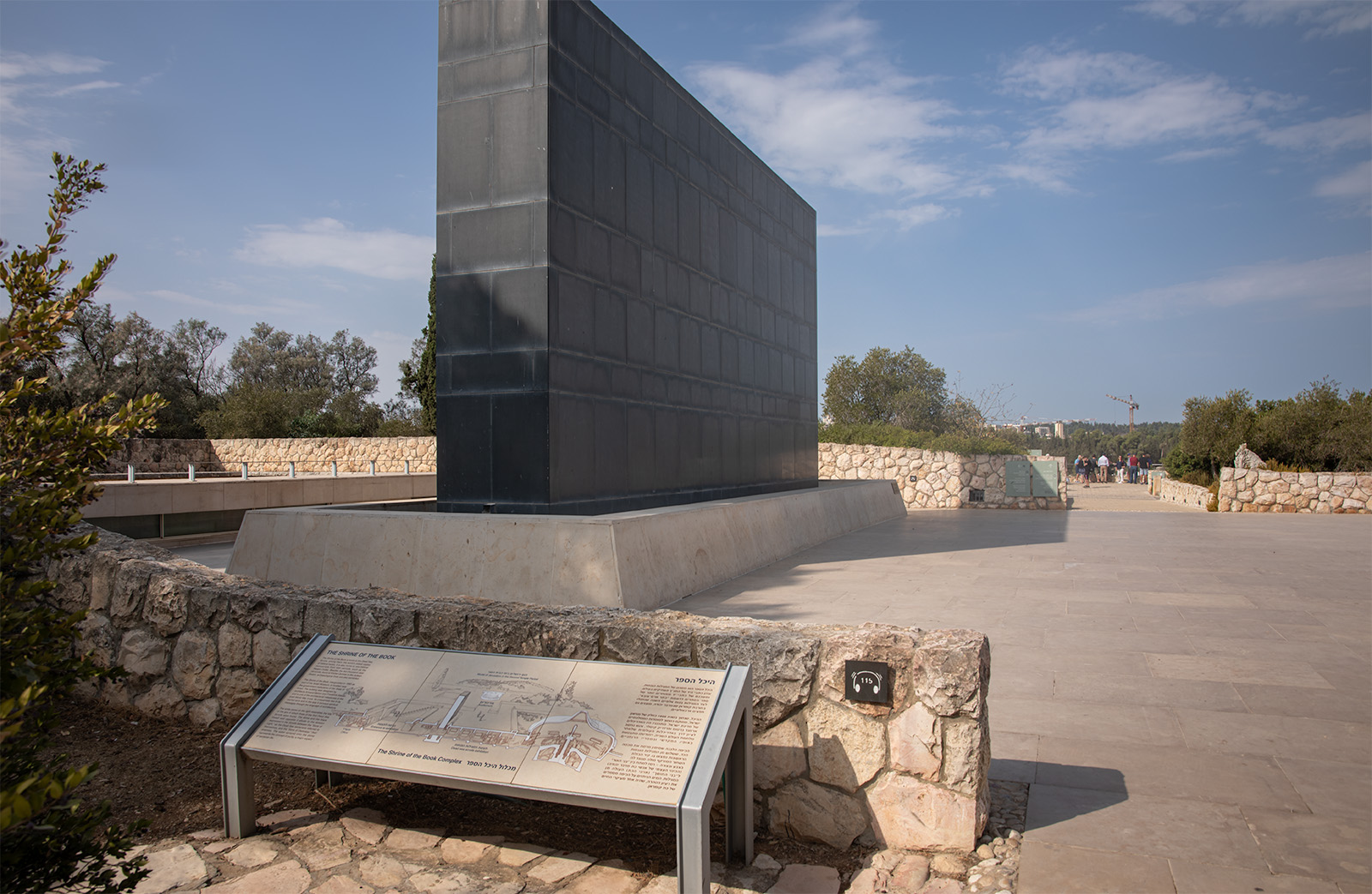
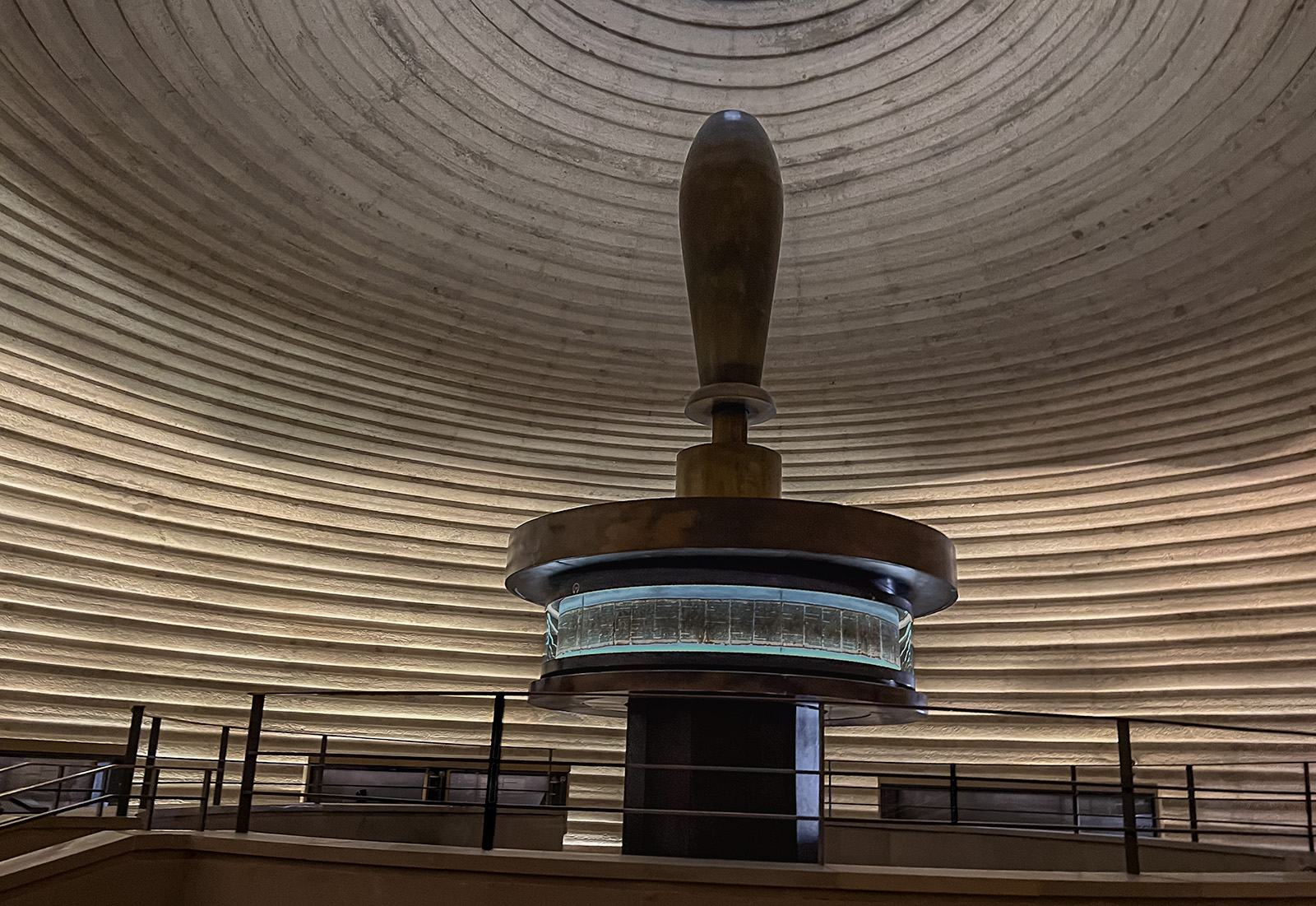
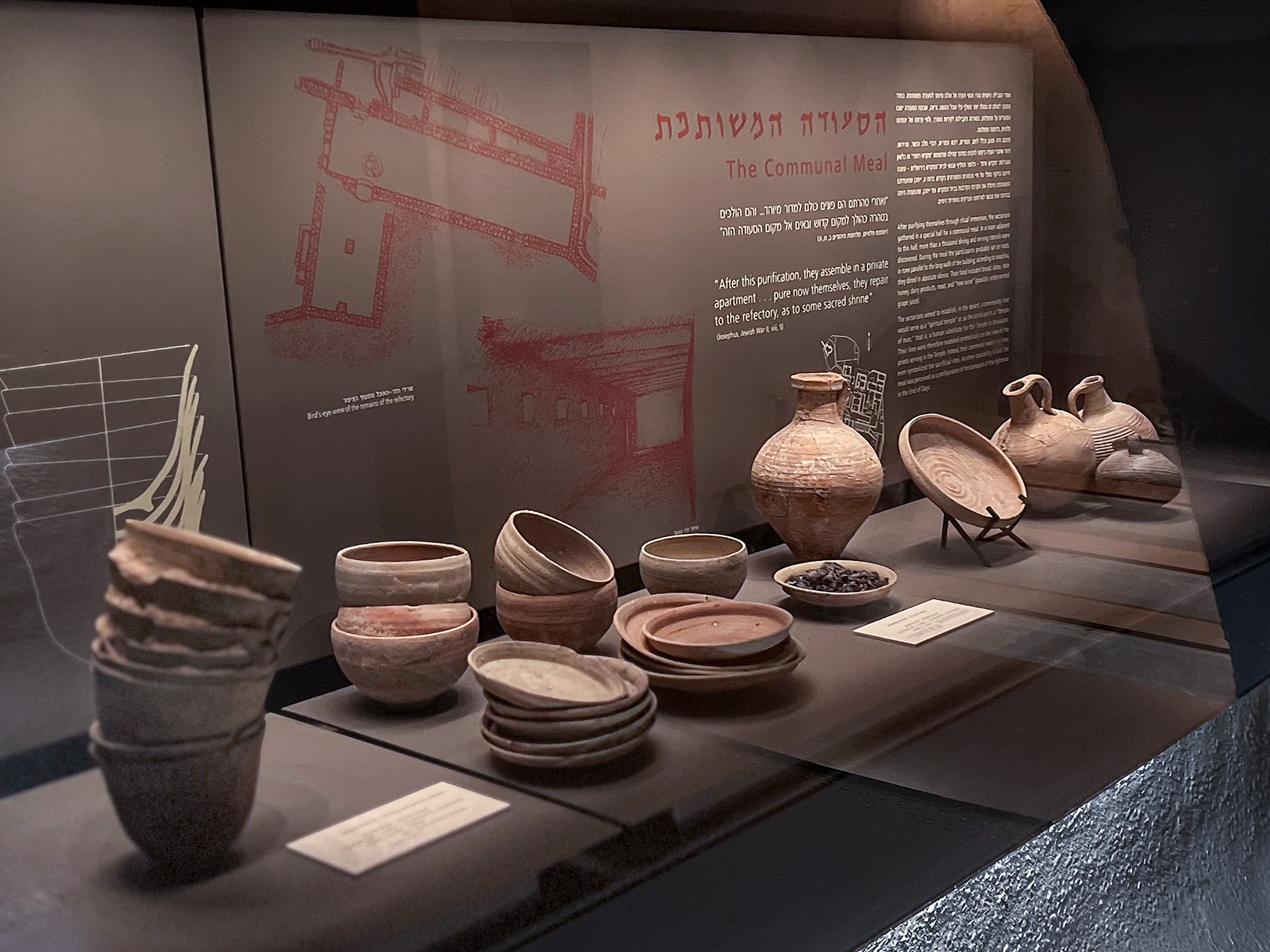
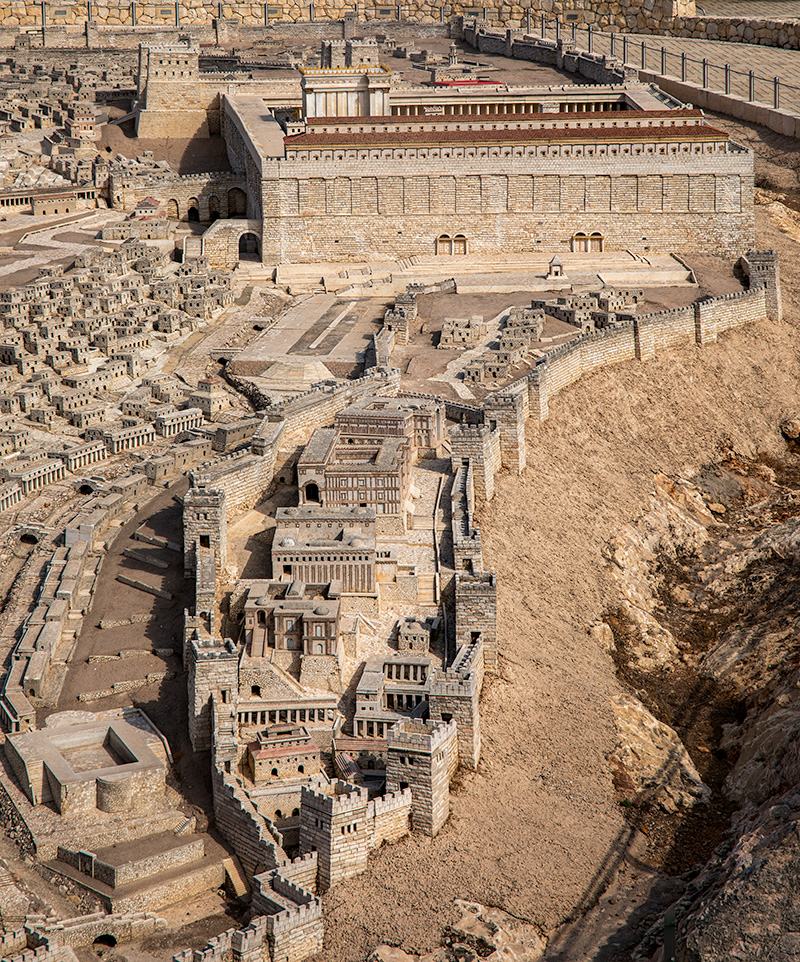
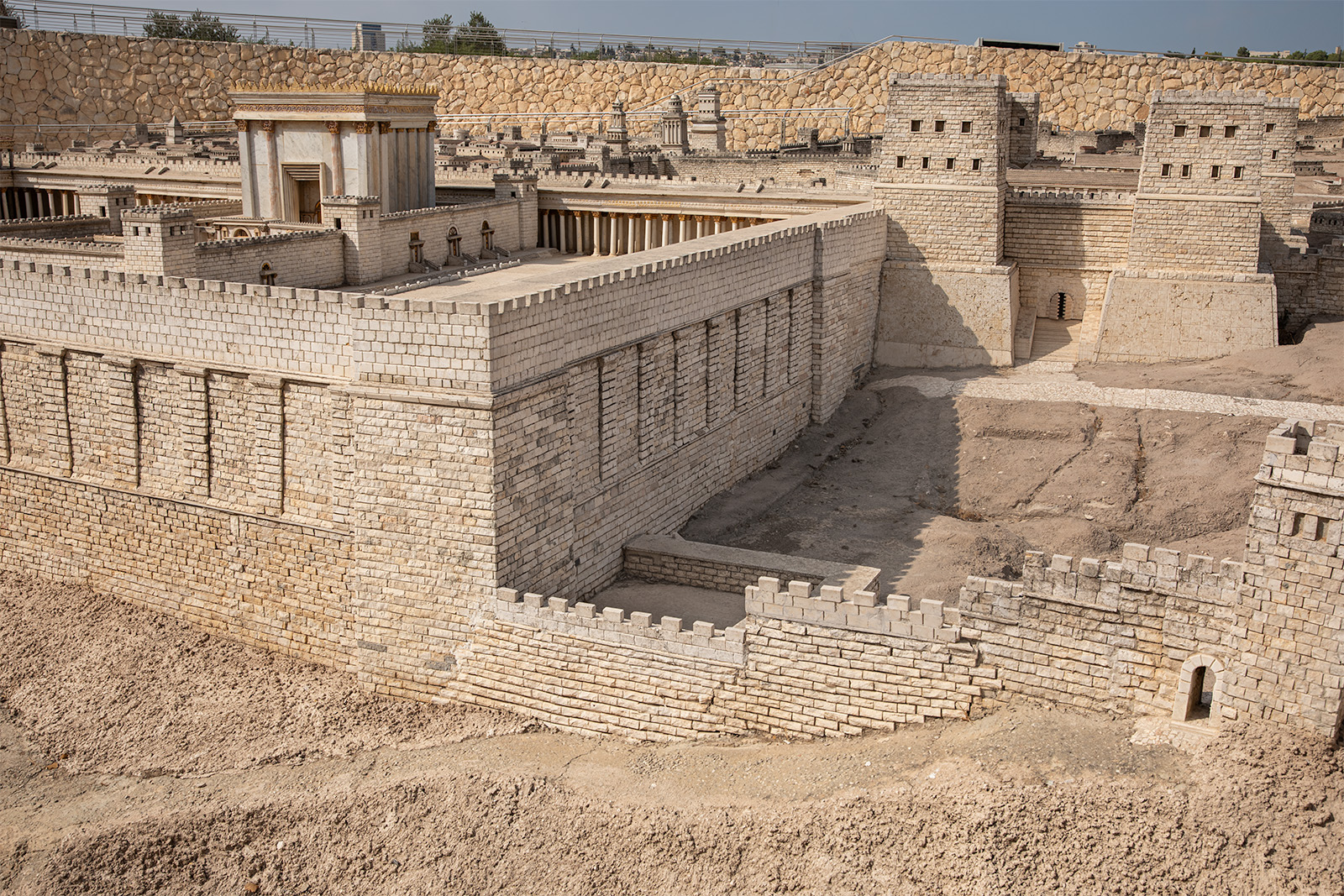
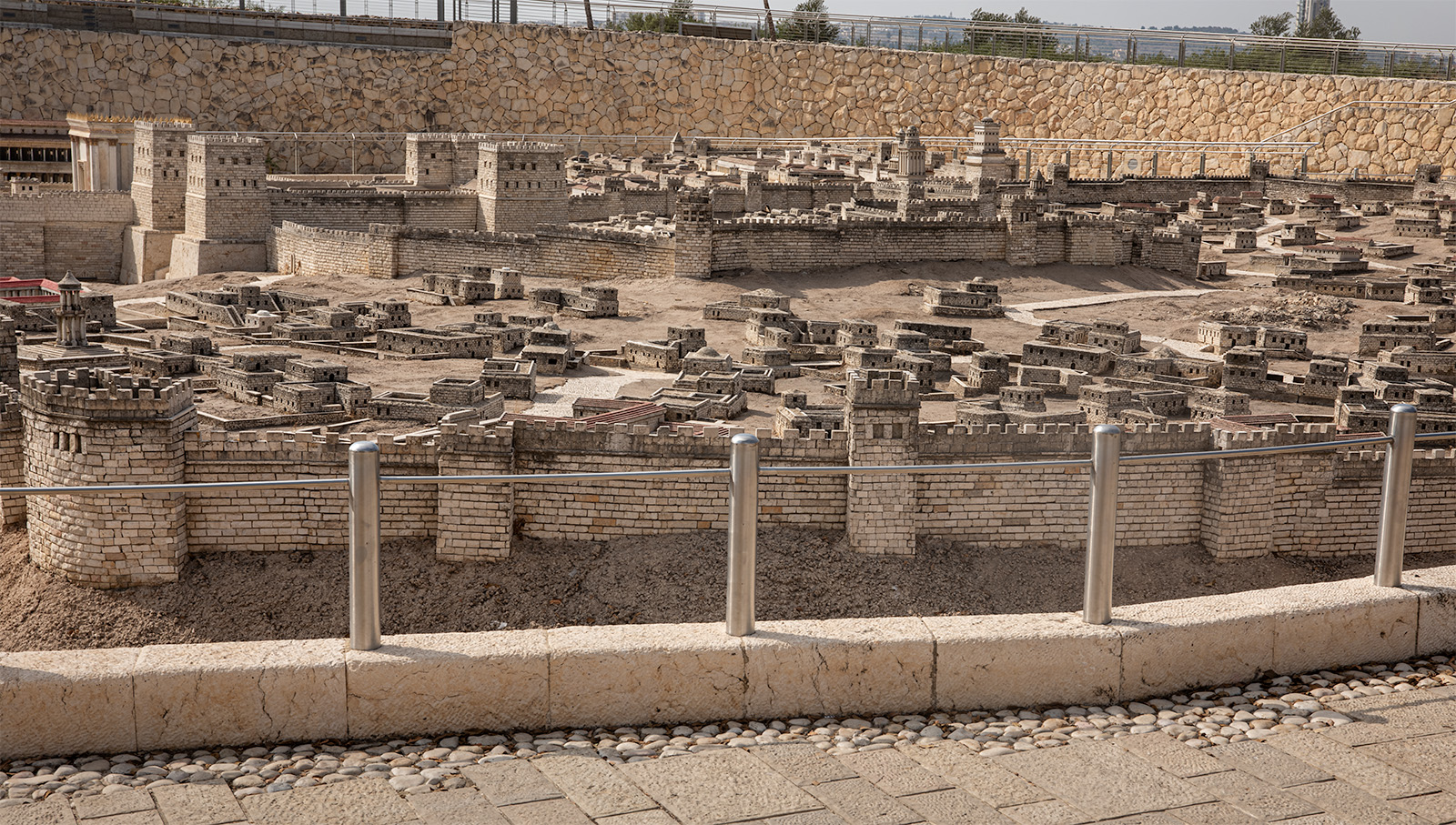
The surrounding area is also one of Jerusalem’s major centers of culture, history, and education. The Israel Museum preserves archaeological discoveries from throughout the Holy Land, while its Shrine of the Book houses the Dead Sea Scrolls and presents the remarkable story of their discovery and preservation. Other nearby national and cultural institutions reinforce the importance of this part of Jerusalem as a center for preserving and interpreting the country’s archaeological, historical, and cultural heritage.
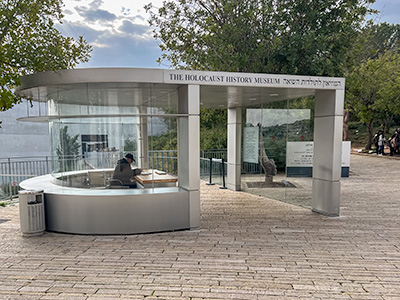
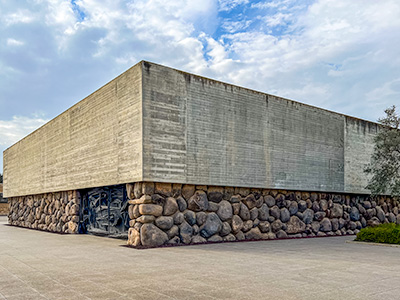
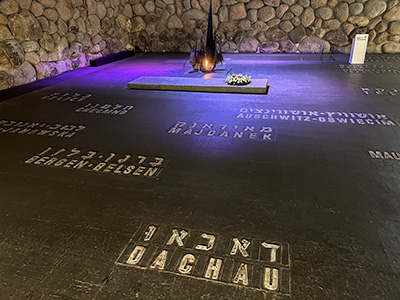
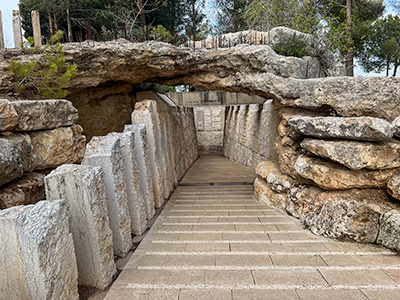
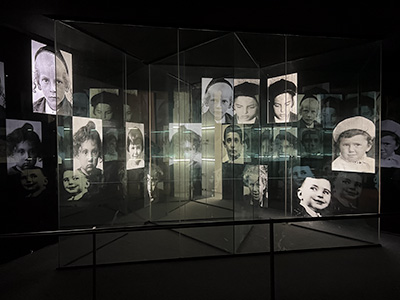
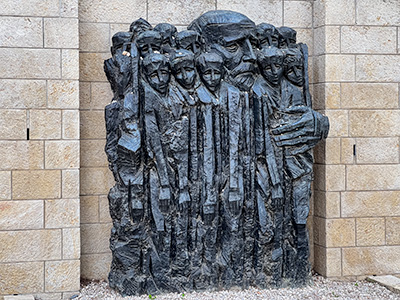
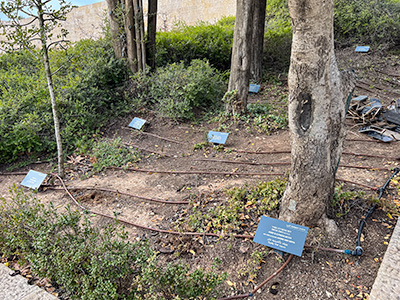
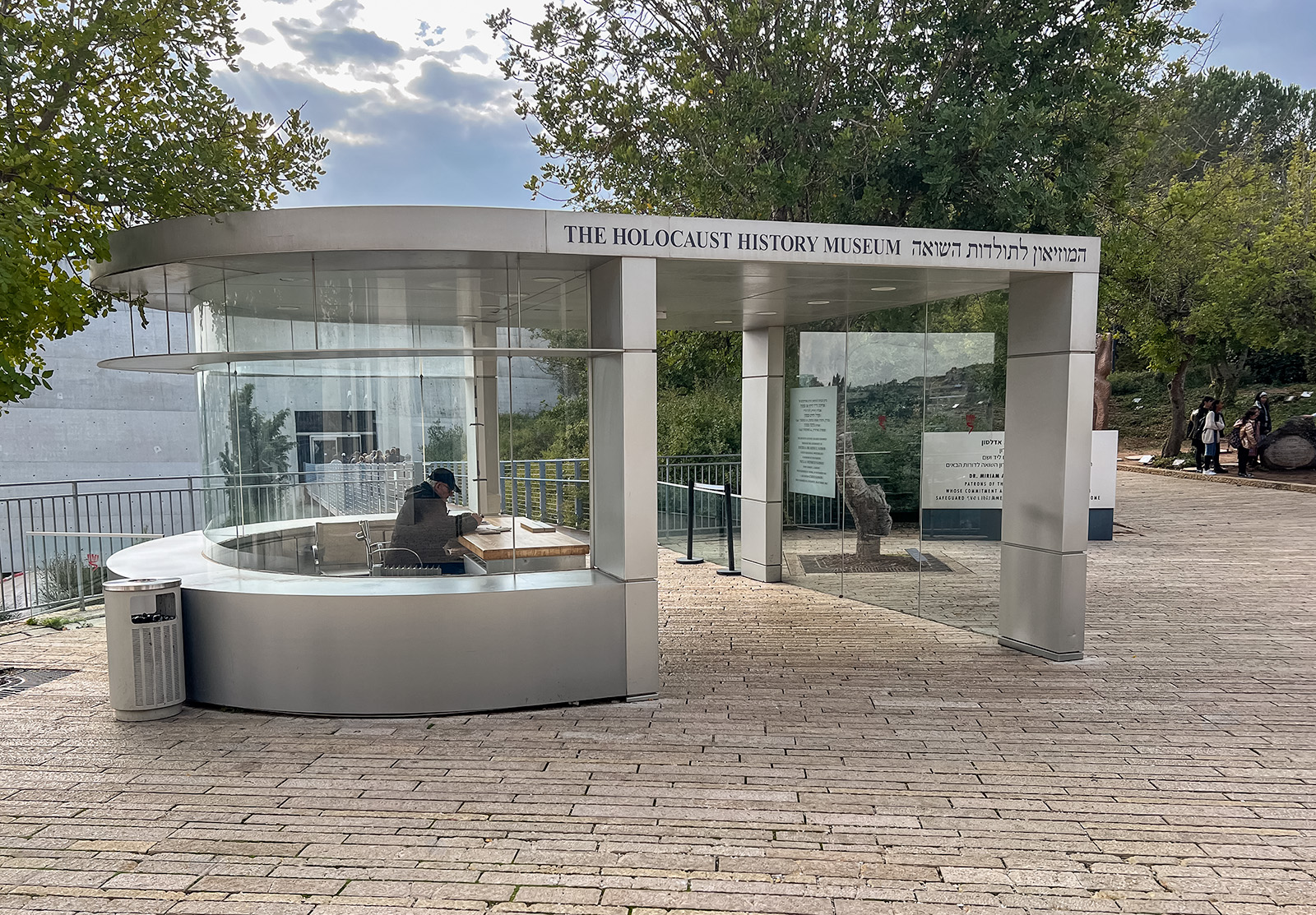
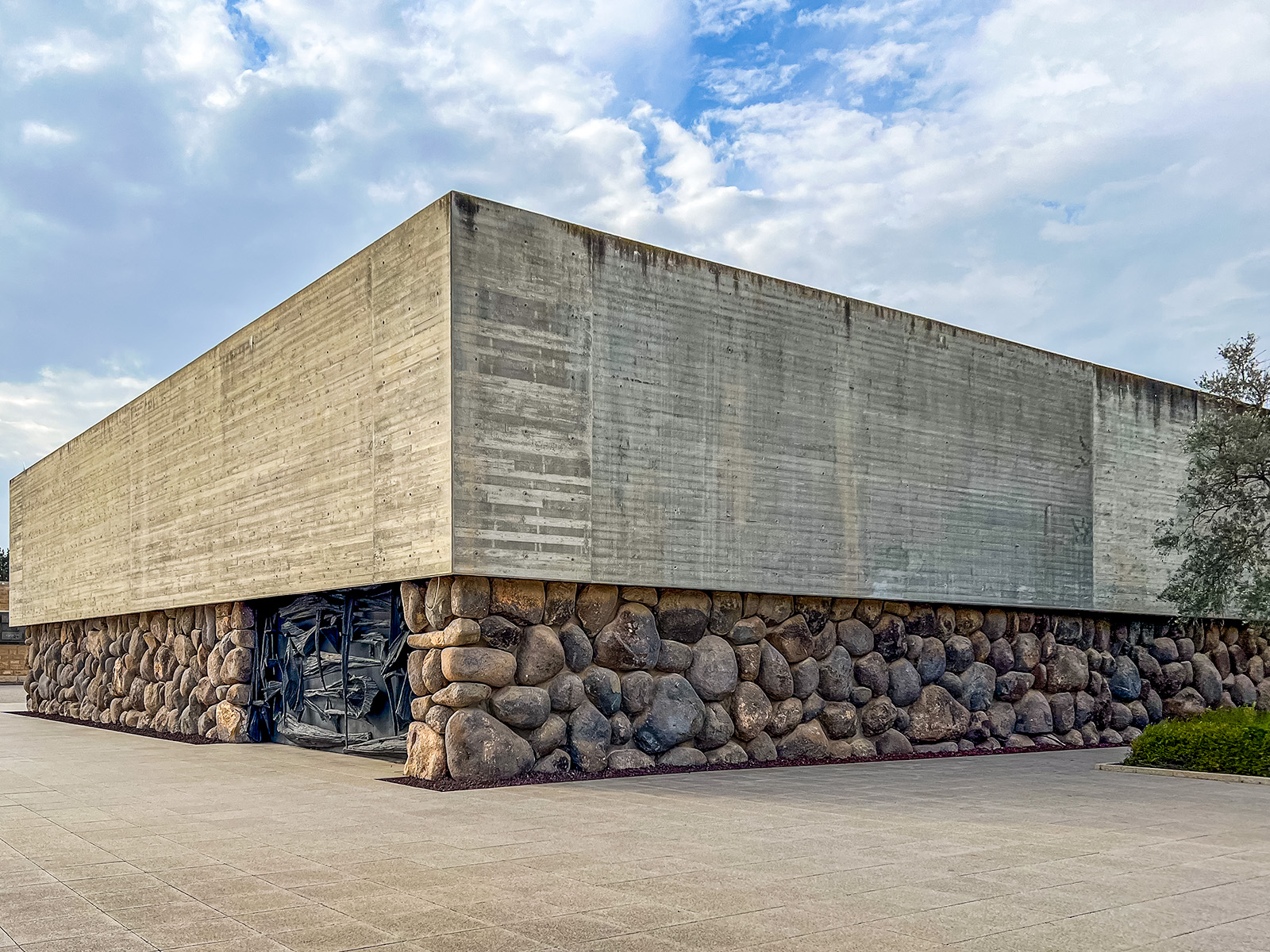
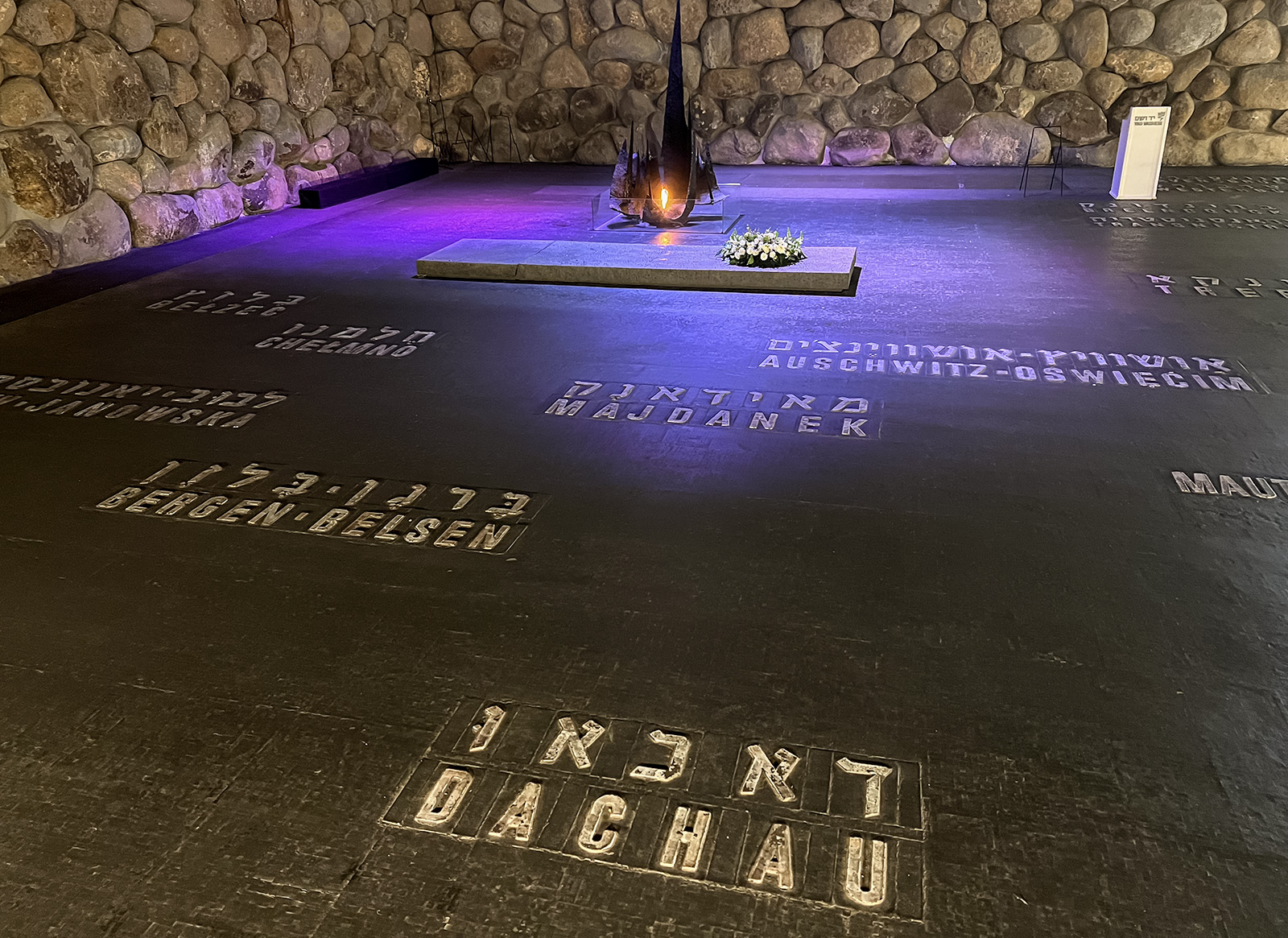
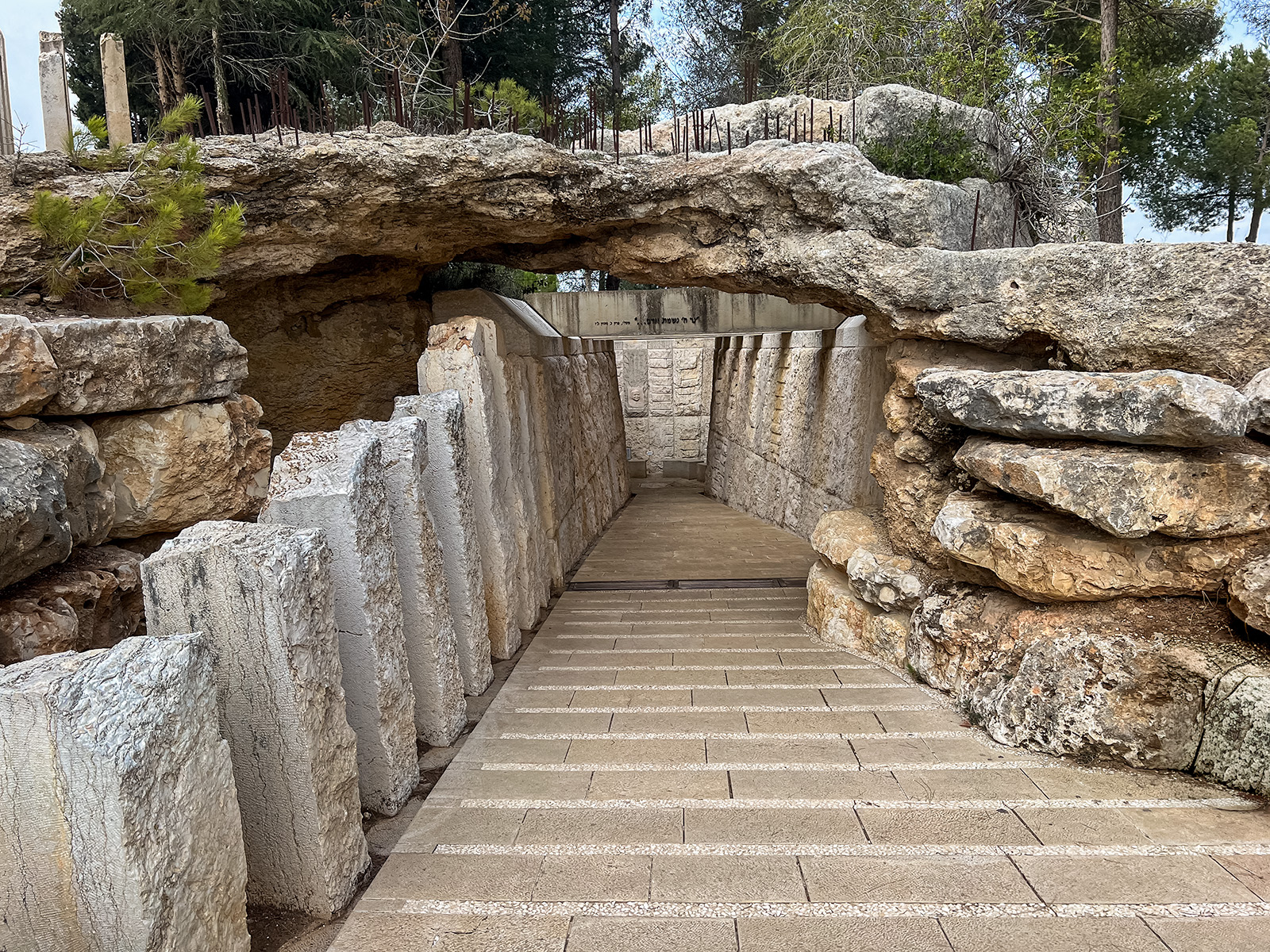
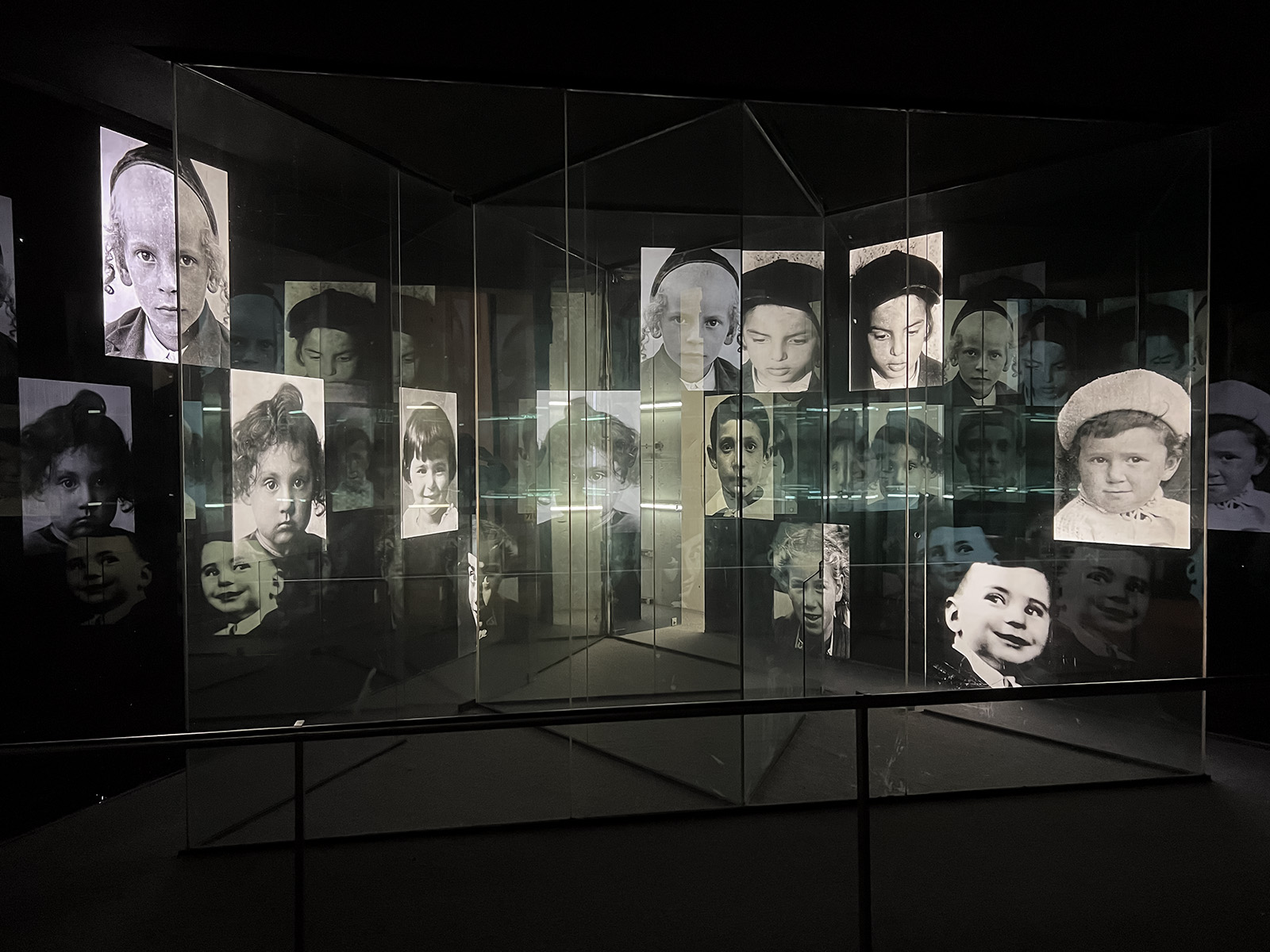
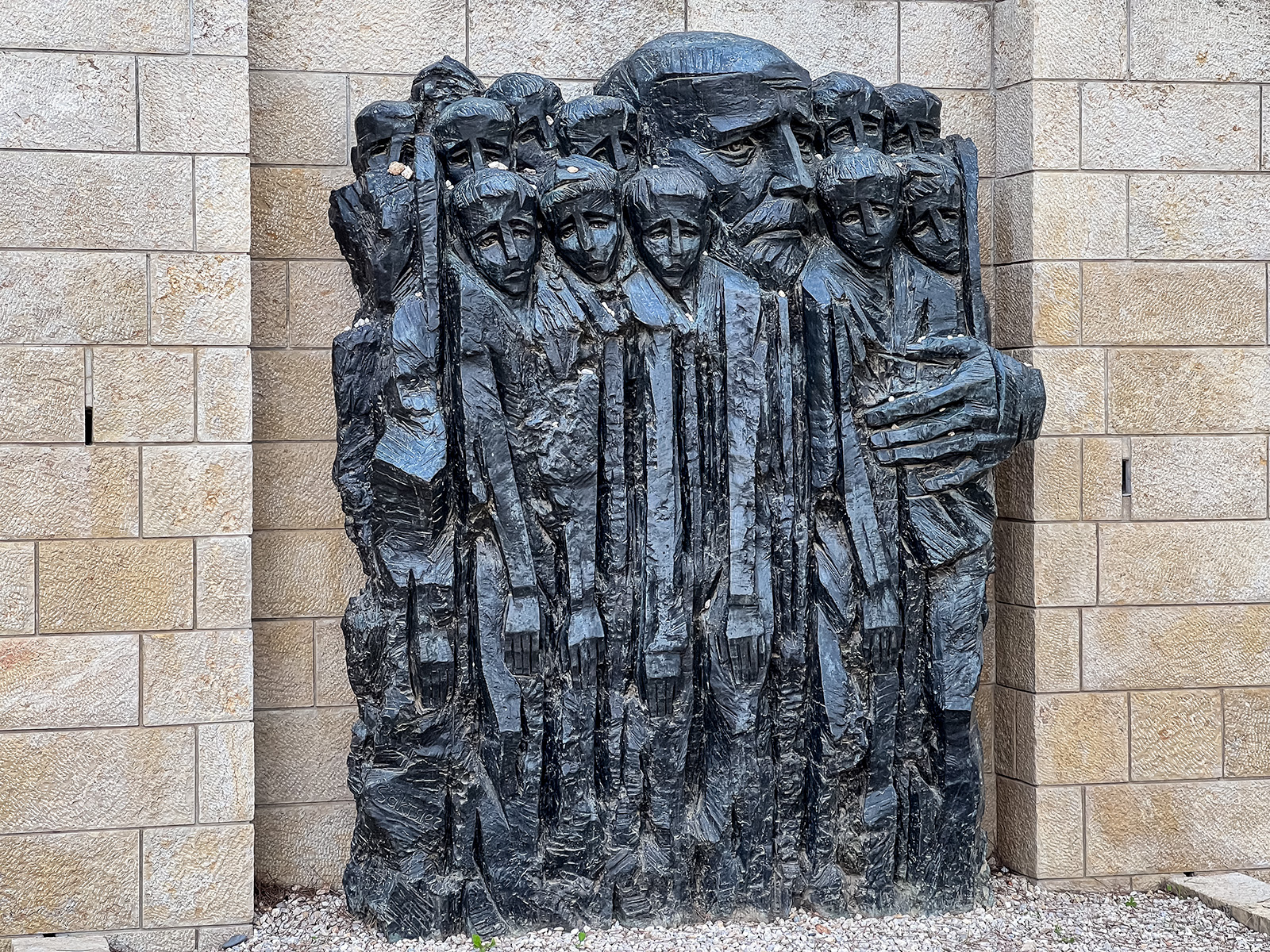
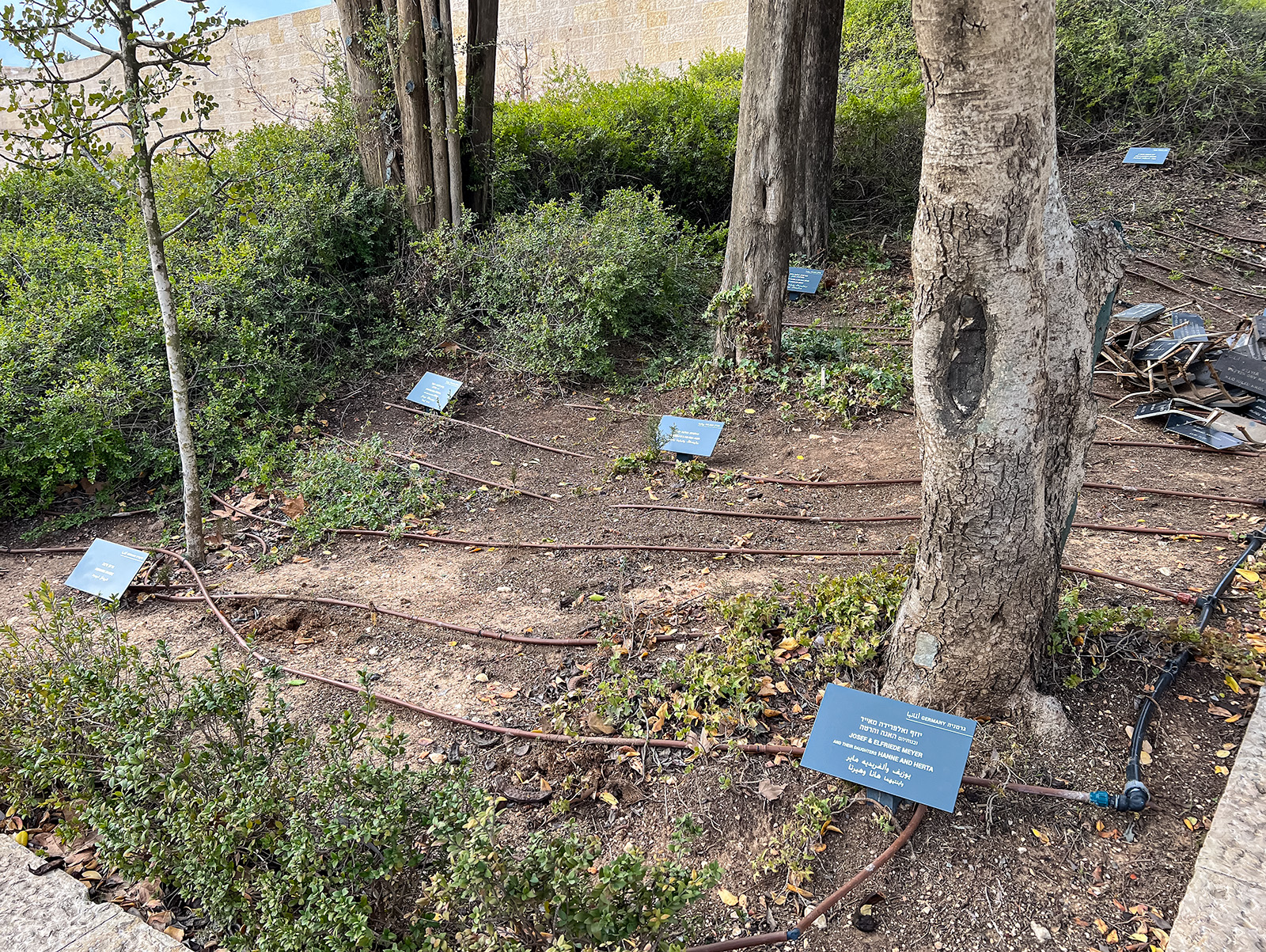
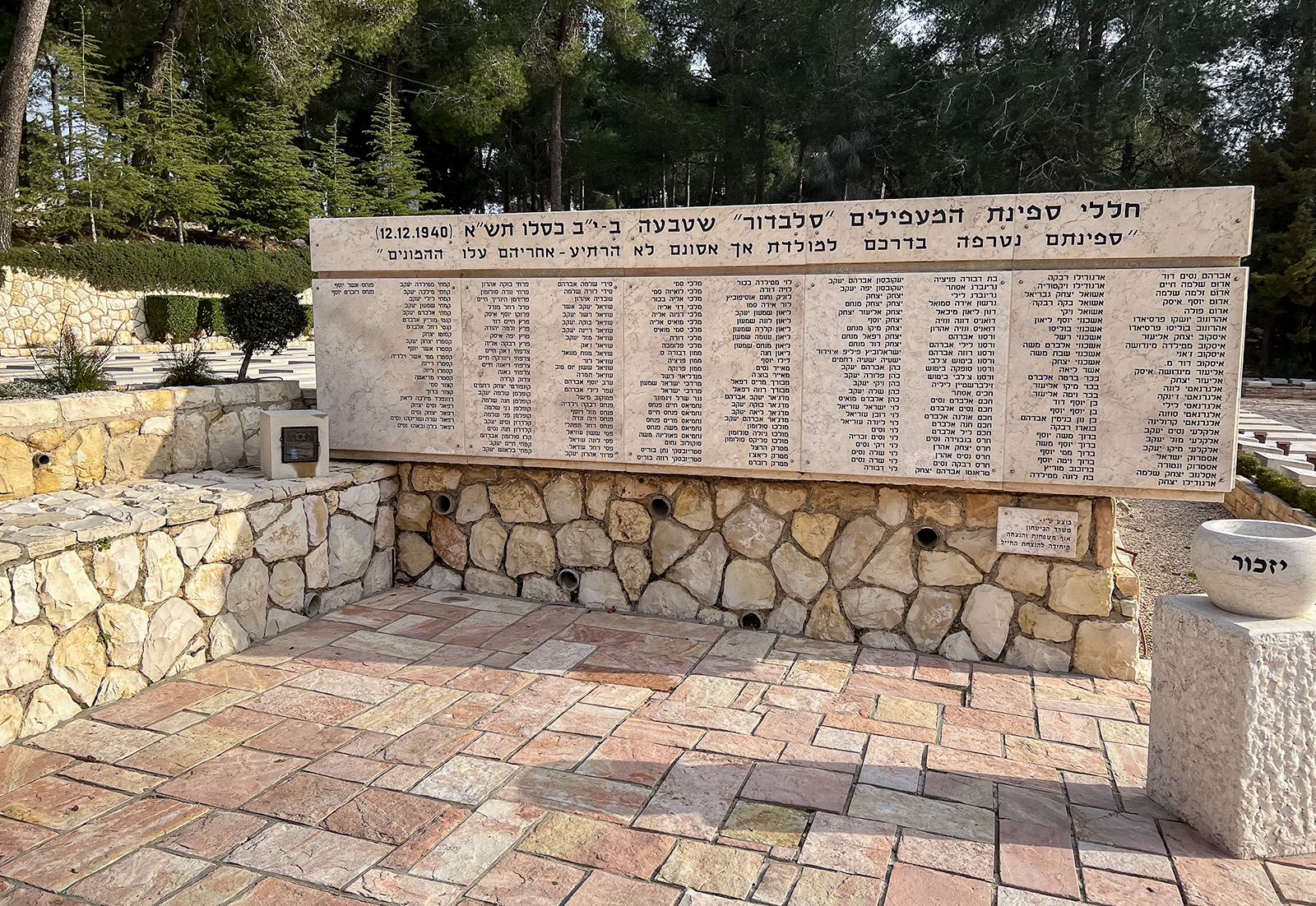
Farther west, Yad Vashem, Israel’s official memorial to the victims of the Holocaust, preserves the memory of the six million Jews murdered during the Holocaust and documents the experiences of individuals and communities destroyed by Nazi persecution. Together, the government buildings, museums, memorials, and monuments presented in this gallery offer a different perspective on Jerusalem—one concerned not primarily with the ancient city, but with the institutions, history, memory, and national identity of modern Israel.