Scroll To Top
Scroll To Top

Hebron Photo Gallery

Click the title to view map


Hebron Overview

Tomb of the Patriarchs
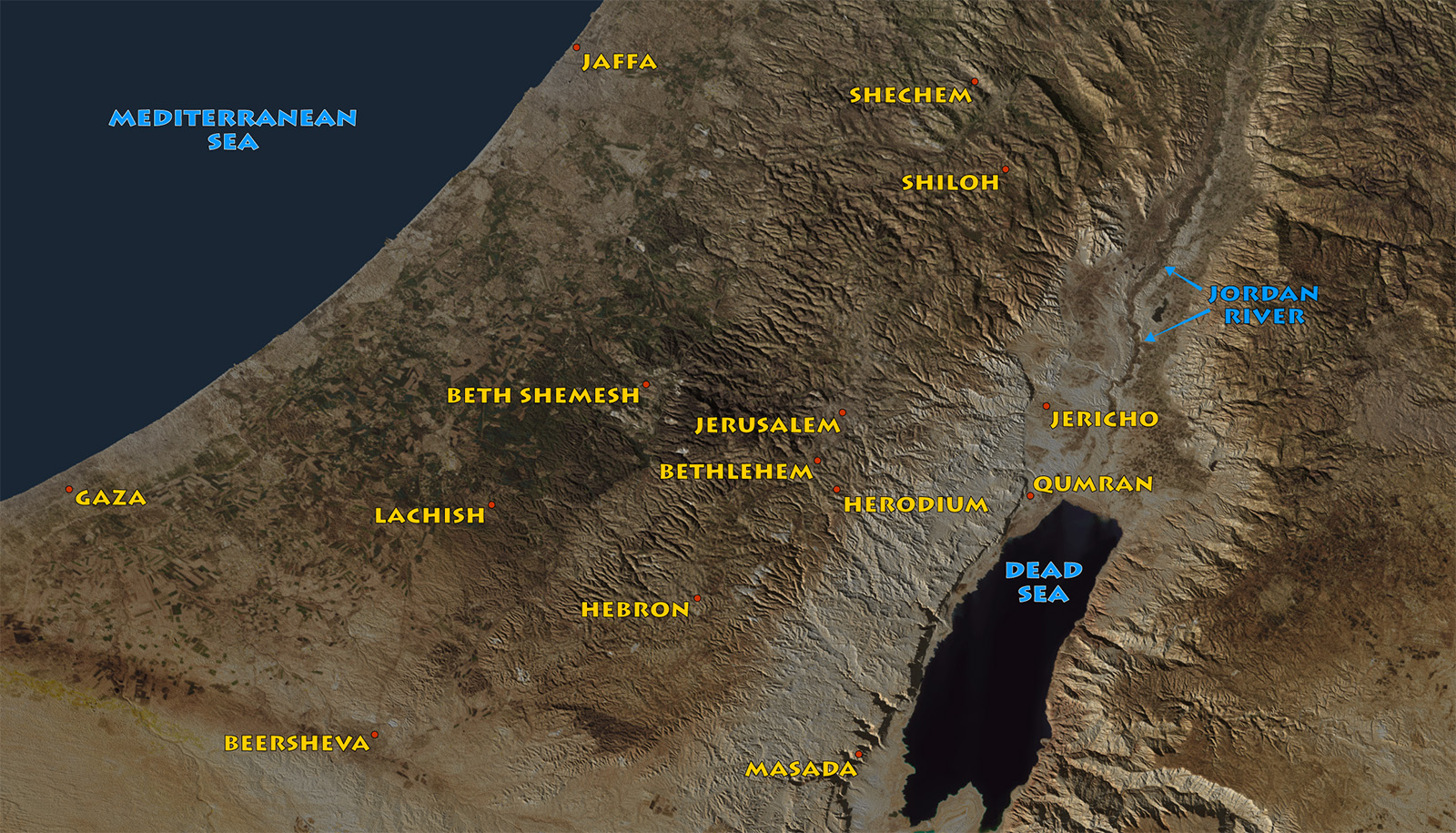
  • Location: Hebron lies in the hill country of Judah, approximately 20 miles (32 km) south of Jerusalem.
  • Elevation: At about 3,000 feet (915 m) above sea level, Hebron is one of the highest cities in the region.
  • Ancient Name: Hebron was formerly called Kiriath-arba and is closely associated with the biblical region of Mamre.
  • Abraham: Abraham settled near Hebron and built an altar to the Lord after separating from Lot.
  • Cave of Machpelah: Abraham purchased the cave and its adjoining field from Ephron the Hittite as a burial place for Sarah.
  • Patriarchal Burials: According to the Bible, Abraham, Sarah, Isaac, Rebekah, Jacob, and Leah were buried in the Cave of Machpelah.
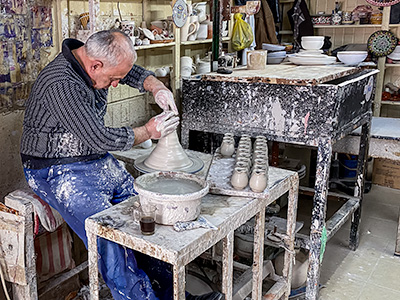
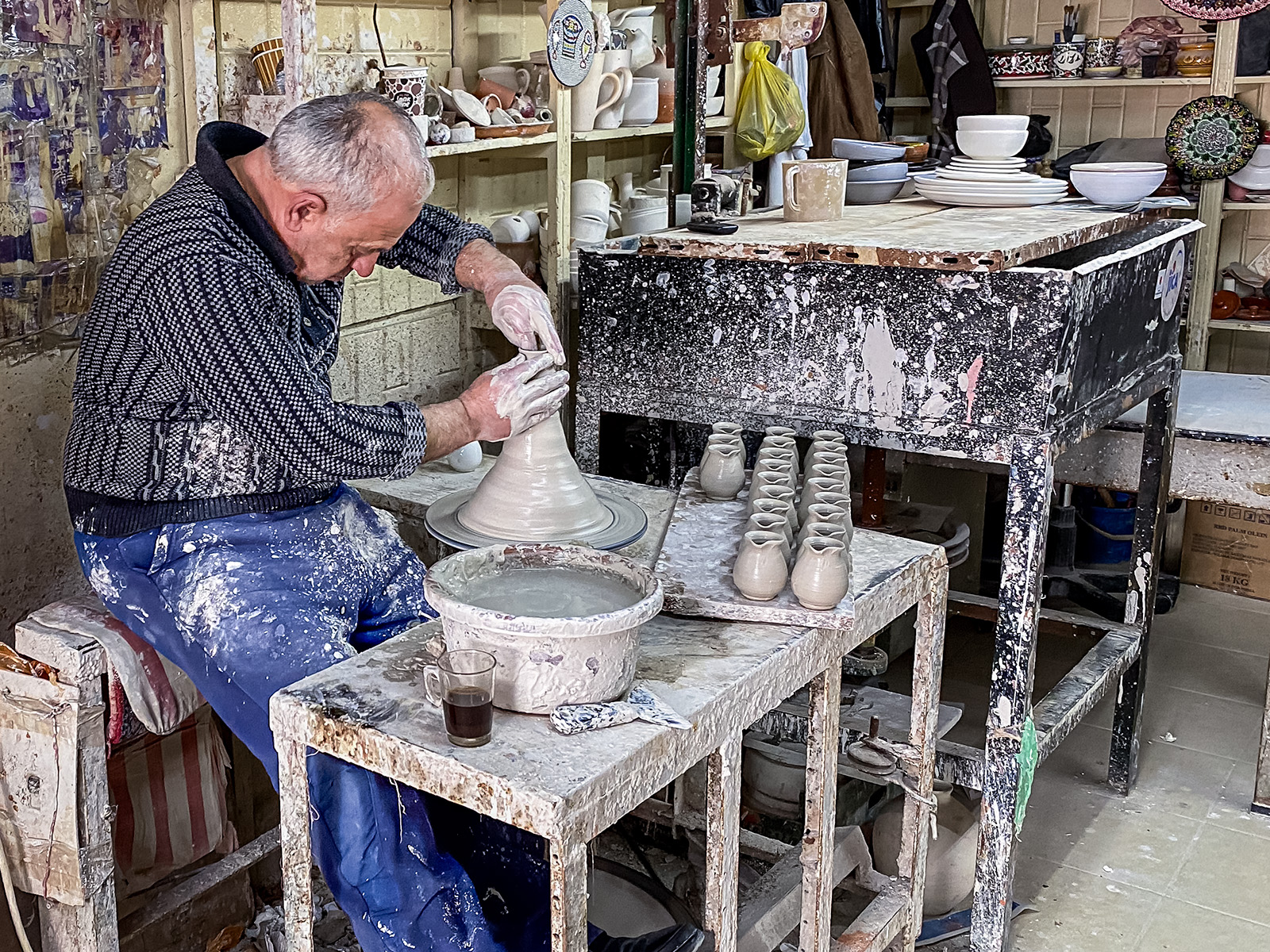
  • Hebron Pottery
    Hebron Pottery Shop
  • Tribe of Judah: Hebron became part of the inheritance of Judah and was also designated as a Levitical city and a city of refuge.
  • David’s First Capital: David ruled from Hebron for seven and a half years before capturing Jerusalem and making it his capital.
  • Absalom’s Rebellion: Absalom traveled to Hebron and proclaimed himself king there during his revolt against David.
  • Monumental Enclosure: The massive stone enclosure above the Cave of Machpelah was probably constructed during the reign of Herod the Great.
  • Sacred Site: Known today as the Tomb of the Patriarchs or the Ibrahimi Mosque, the site is revered by Jews, Muslims, and Christians.
Introduction

Tomb of the Patriarchs

Hebron is one of the most important biblical cities in the hill country of Judah. Located approximately 20 miles (32 km) south of Jerusalem, the city is closely associated with Abraham, Isaac, Jacob, and their families. Abraham settled near Hebron, built an altar to the Lord, and purchased the Cave of Machpelah as a burial place for Sarah. According to the biblical account, Abraham, Sarah, Isaac, Rebekah, Jacob, and Leah were eventually buried there.

Hebron also played an important role during the Israelite monarchy. After the death of Saul, David was anointed king in Hebron and ruled there for seven and a half years before establishing Jerusalem as his capital. Centuries later, a massive stone enclosure—probably constructed during the reign of Herod the Great—was built above the traditional location of the patriarchal tombs.

Today, the enclosure is known as both the Tomb of the Patriarchs and the Ibrahimi Mosque. It remains sacred to Jews, Muslims, and Christians. The photographs in this gallery explore Hebron’s biblical associations, the monumental structure above the Cave of Machpelah, and scenes from the historic city surrounding it.
Slide Presentation Major Biblical Events

Major Biblical Events

  • Abraham Settles Near Hebron: After separating from Lot, Abraham moved to the plains of Mamre near Hebron, where he built an altar to the Lord ( Gen. 13:14–18).
  • Abraham Welcomes Heavenly Visitors: While living near the oaks of Mamre, Abraham received three visitors who announced that Sarah would bear a son ( Gen. 18:1–15).
  • Abraham Purchases the Cave of Machpelah: Following Sarah’s death at Hebron, Abraham purchased the cave and its surrounding field from Ephron the Hittite as a family burial place ( Gen. 23:1–20).
  • The Patriarchs and Matriarchs Are Buried: Abraham and Sarah, Isaac and Rebekah, and Jacob and Leah were buried in the Cave of Machpelah ( Gen. 25:7–10; 35:27–29; 49:29–32; 50:12–13).
  • Joseph Is Sent from Hebron: Jacob sent Joseph from the Valley of Hebron to find his brothers and their flocks, beginning the events that eventually carried Joseph into Egypt ( Gen. 37:12–28).
  • The Israelite Spies Explore Hebron: The spies sent by Moses traveled through Hebron, where they encountered the descendants of Anak ( Num. 13:21–22, 28, 33).
  • Joshua Conquers Hebron: The king of Hebron joined a coalition against Gibeon and was defeated by Joshua. The Israelites later captured Hebron and its surrounding territory ( Josh. 10:3–27, 36–37).
  • Hebron Is Given to Caleb: Joshua granted Hebron to Caleb, who drove out the descendants of Anak and received the surrounding territory as his inheritance ( Josh. 14:6–15; 15:13–14).
  • Hebron Becomes a Levitical City and City of Refuge: The city itself was assigned to the priests and designated as a place of refuge for those accused of unintentional killing ( Josh. 20:7; 21:11–13).
  • David Is Anointed King of Judah: Following Saul’s death, David moved to Hebron and was anointed king over the tribe of Judah ( 2 Sam. 2:1–4).
  • David Rules from Hebron: David governed Judah from Hebron for seven and a half years. Several of his sons were born there ( 2 Sam. 2:11; 3:2–5).
  • David Is Anointed King over All Israel: Representatives of all the tribes gathered at Hebron, made a covenant with David, and anointed him king over all Israel ( 2 Sam. 5:1–5; 1 Chr. 11:1–3).
  • Absalom Begins His Rebellion: David’s son Absalom went to Hebron and had himself proclaimed king, beginning his revolt against his father ( 2 Sam. 15:7–12).
  • Rehoboam Fortifies Hebron: After the division of the kingdom, King Rehoboam strengthened Hebron as one of Judah’s fortified cities ( 2 Chr. 11:5–10).

Tomb of the Patriarchs

Ibrahimi Mosque. The massive stone walls and minarets of the Ibrahimi Mosque rise above beautifully maintained grounds of olive trees, lawns, gardens, and shaded walkways. The peaceful setting provides a striking contrast to the monumental Herodian enclosure surrounding the traditional burial place of Abraham, Sarah, Isaac, Rebekah, Jacob, and Leah.

Tomb of the Patriarchs

A telephoto view from a hill west of Hebron’s basin shows the massive Herodian enclosure rising amid the densely built city. The sacred complex is known to Muslims as the Ibrahimi Mosque and to Jews as the Tomb of the Patriarchs. It stands above the traditional Cave of Machpelah.

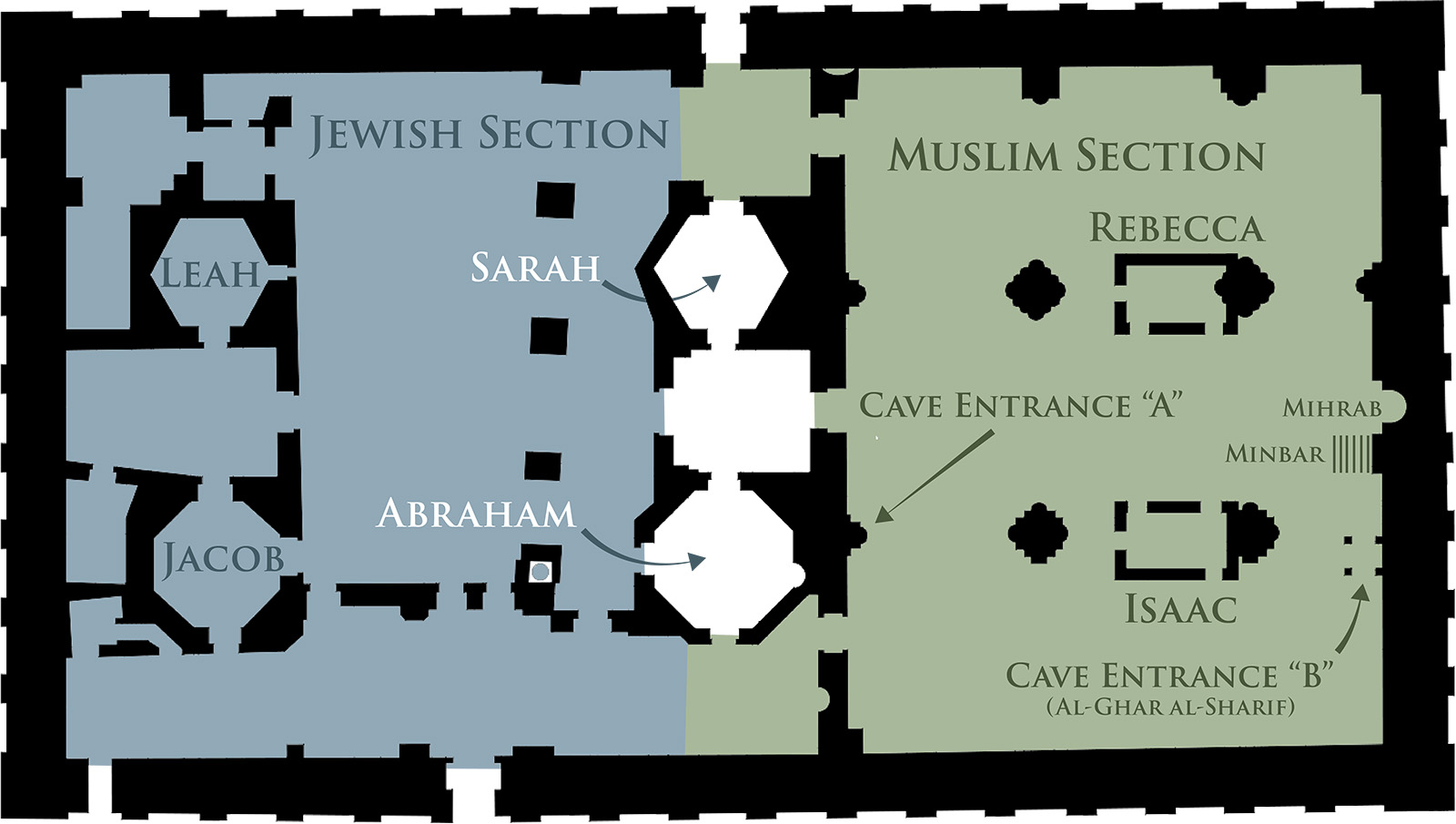
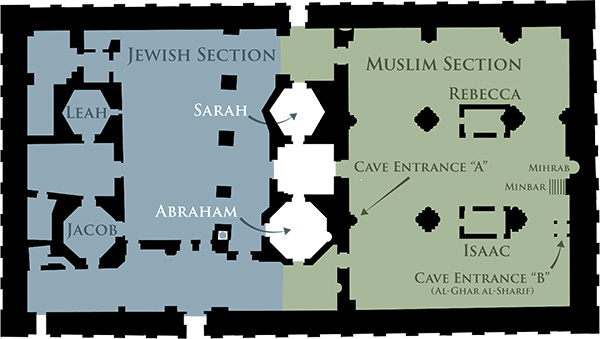
Tomb of the Patriarchs Floor Plan

Tombs of the Patriarchs

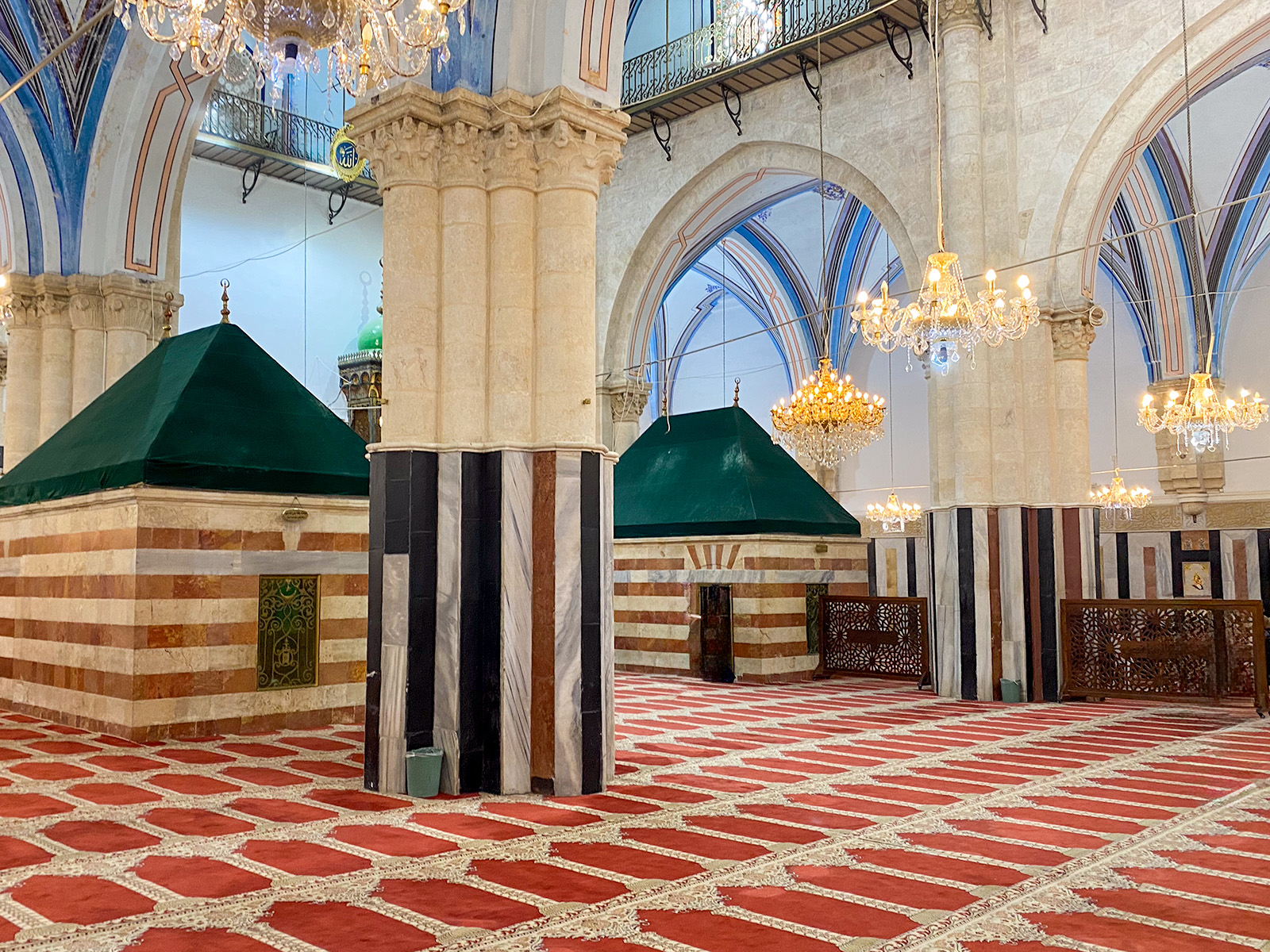
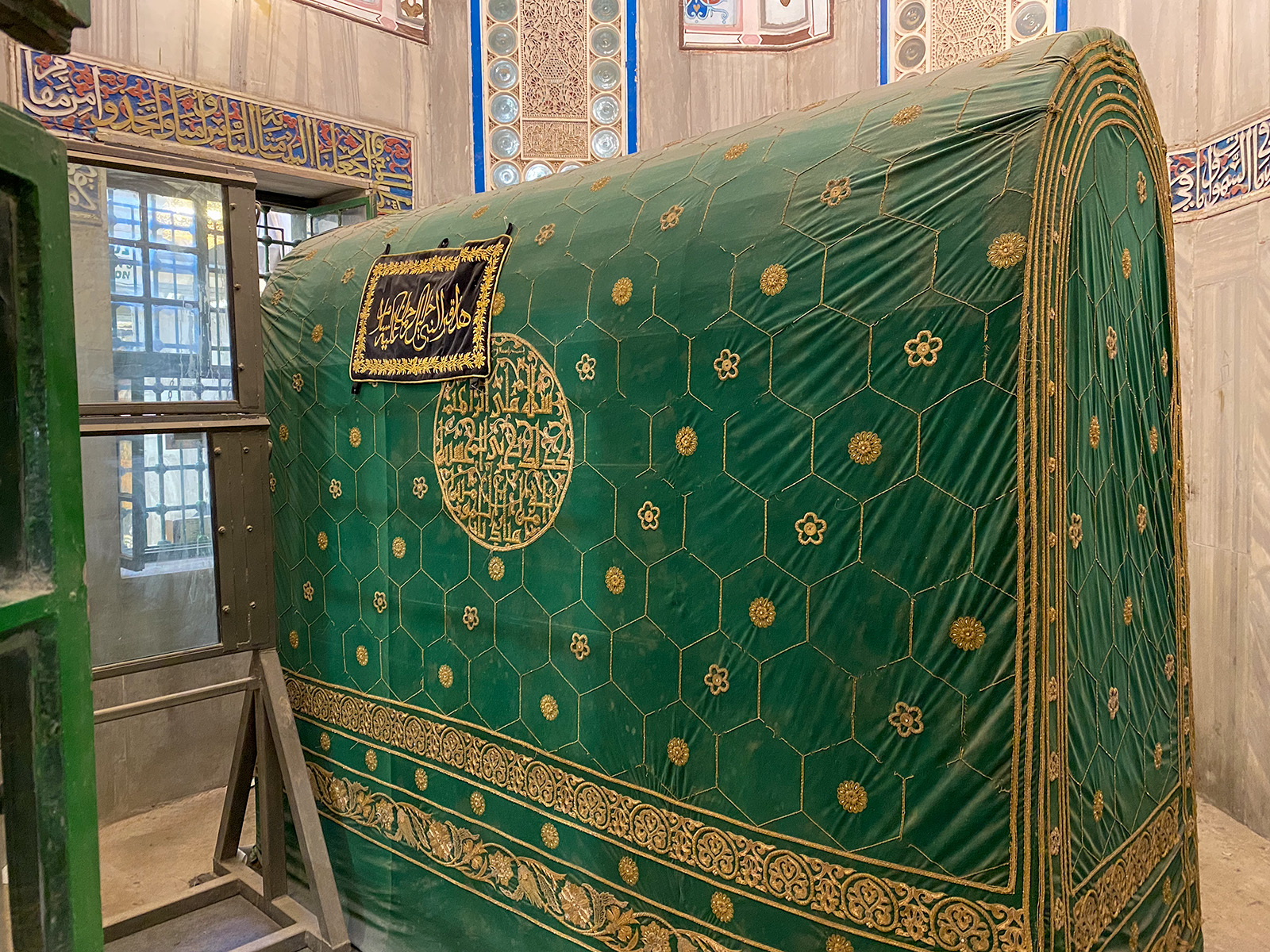
Isaac and Rebekah: The cenotaphs honoring Isaac and Rebekah stand within the mosque section of the complex. These cloth-covered monuments commemorate the biblical couple; their traditional burial places are believed to be in the sealed Cave of Machpelah beneath the building.

Tombs of the Patriarchs

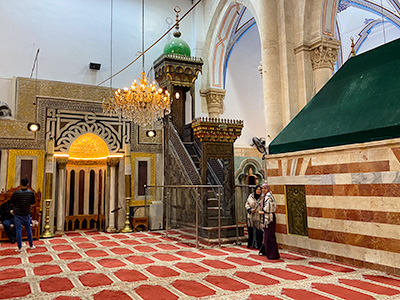
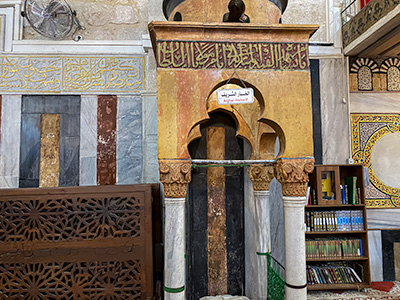
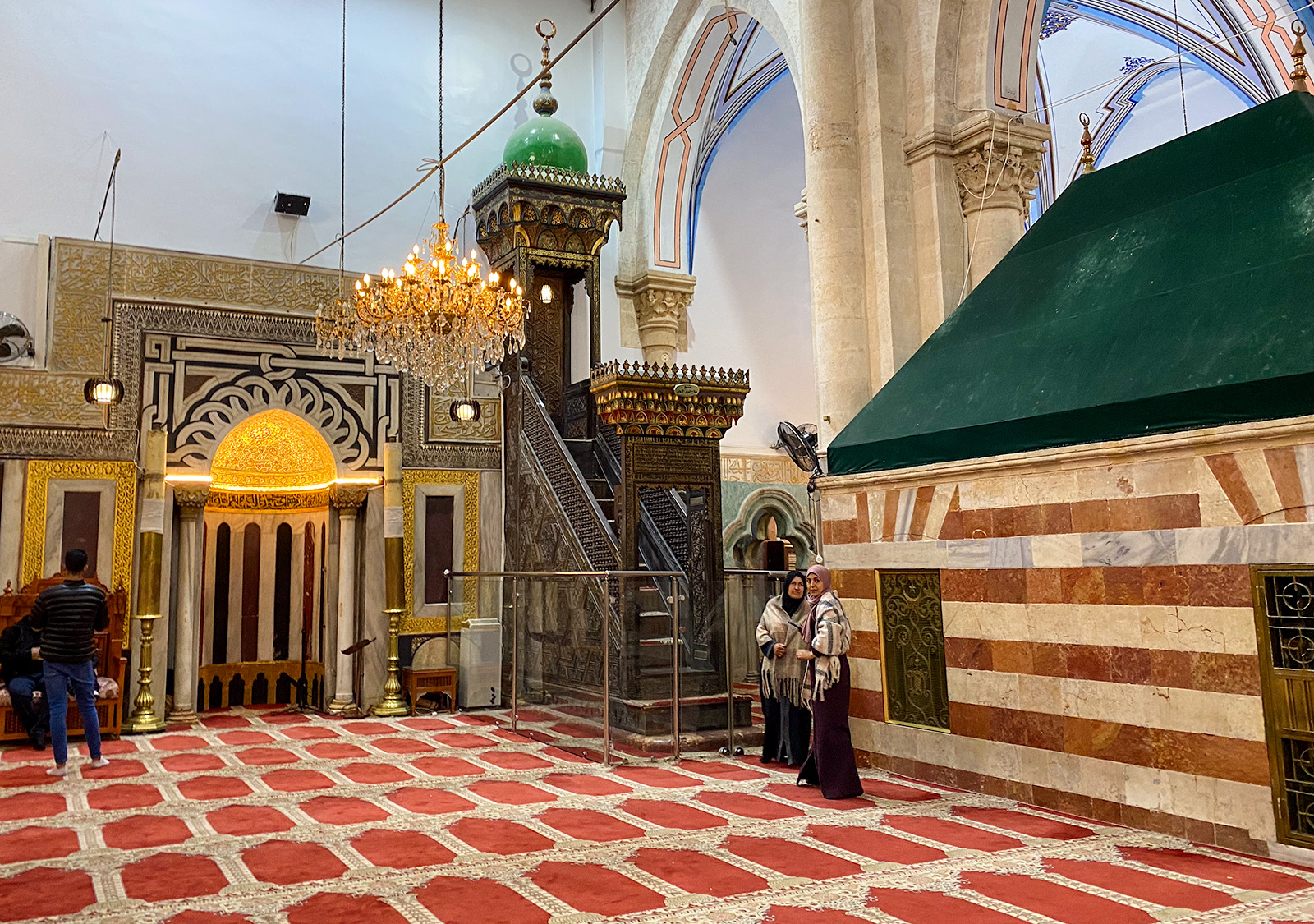
Isaac’s Cenotaph, Mihrab, and Minbar: Isaac’s cenotaph stands on the right. To its left are the elevated minbar, the pulpit from which the imam delivers the sermon during communal worship, and the illuminated mihrab, a niche indicating the direction of Mecca for Muslim prayer.

Abraham's Tomb

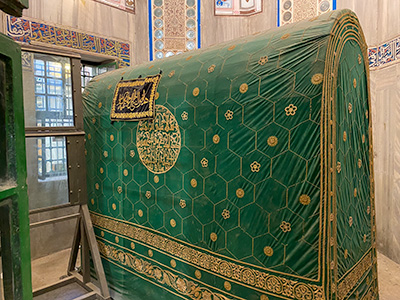
Abraham’s Cenotaph: This cloth-covered cenotaph honors Abraham, who purchased the Cave of Machpelah as a burial place for Sarah and his family. The monument stands above ground within the sacred enclosure; Abraham’s traditional burial place lies in the inaccessible cave beneath it.

Tomb of the Patriarchs

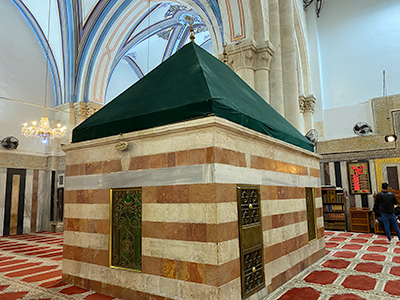
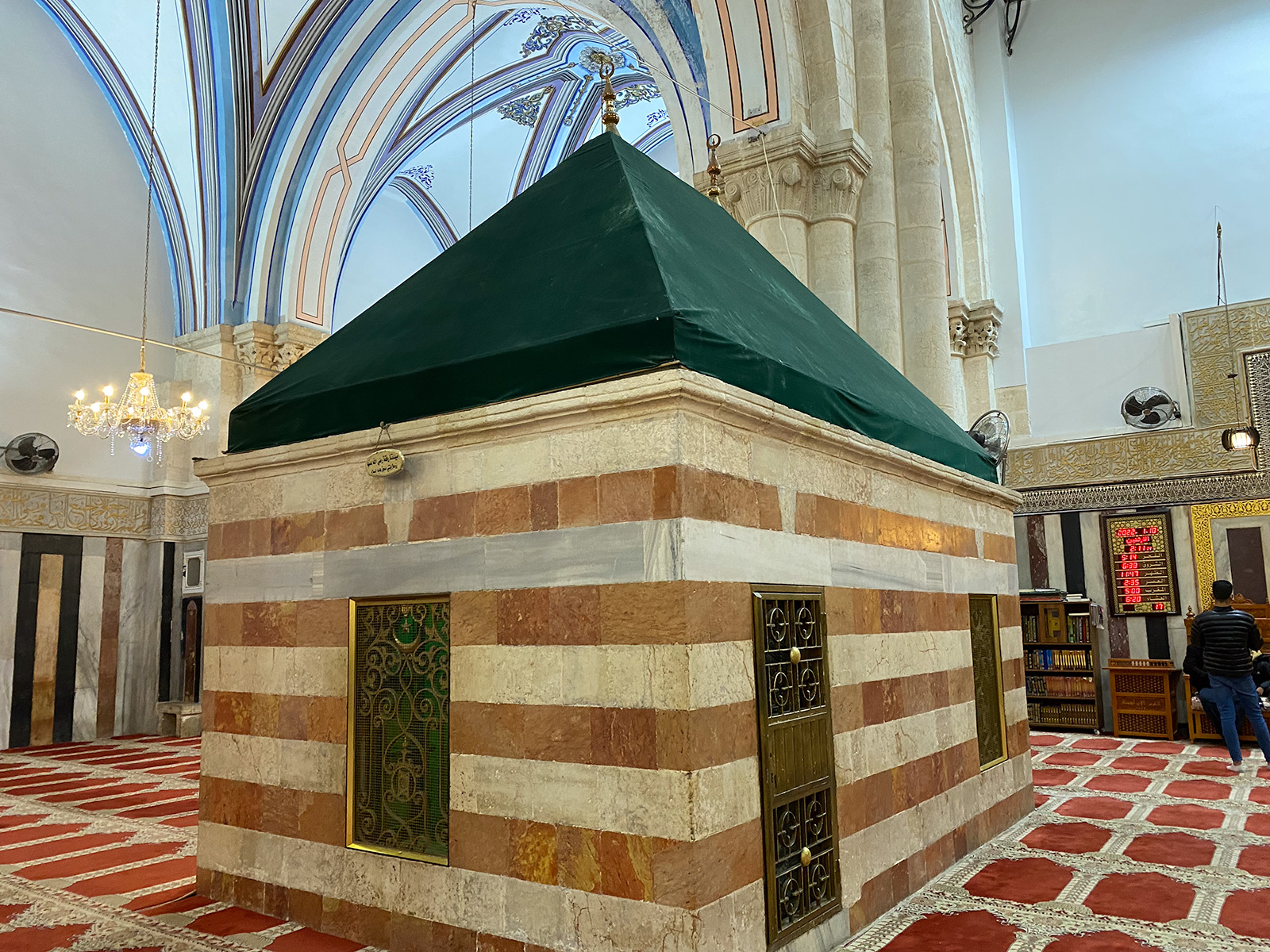
Rebekah’s Cenotaph: The red-and-white stone chamber with its green covering commemorates Rebekah, the wife of Isaac. The cenotaph is a memorial structure; Rebekah’s traditional burial place is believed to lie in the sealed cave beneath the building. The illuminated board beside the mihrab displays the date and current time, together with the day’s times for the five Muslim prayers and sunrise.

Tomb of the Patriarchs

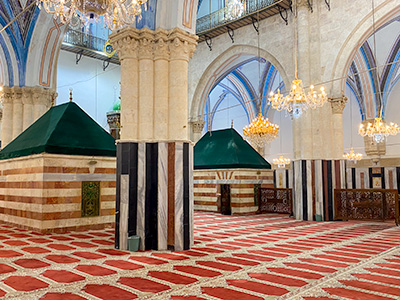
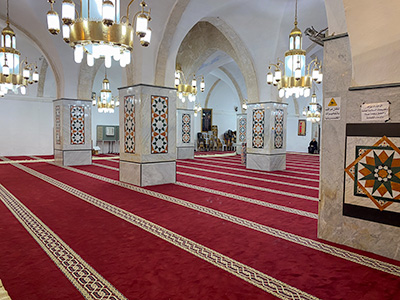
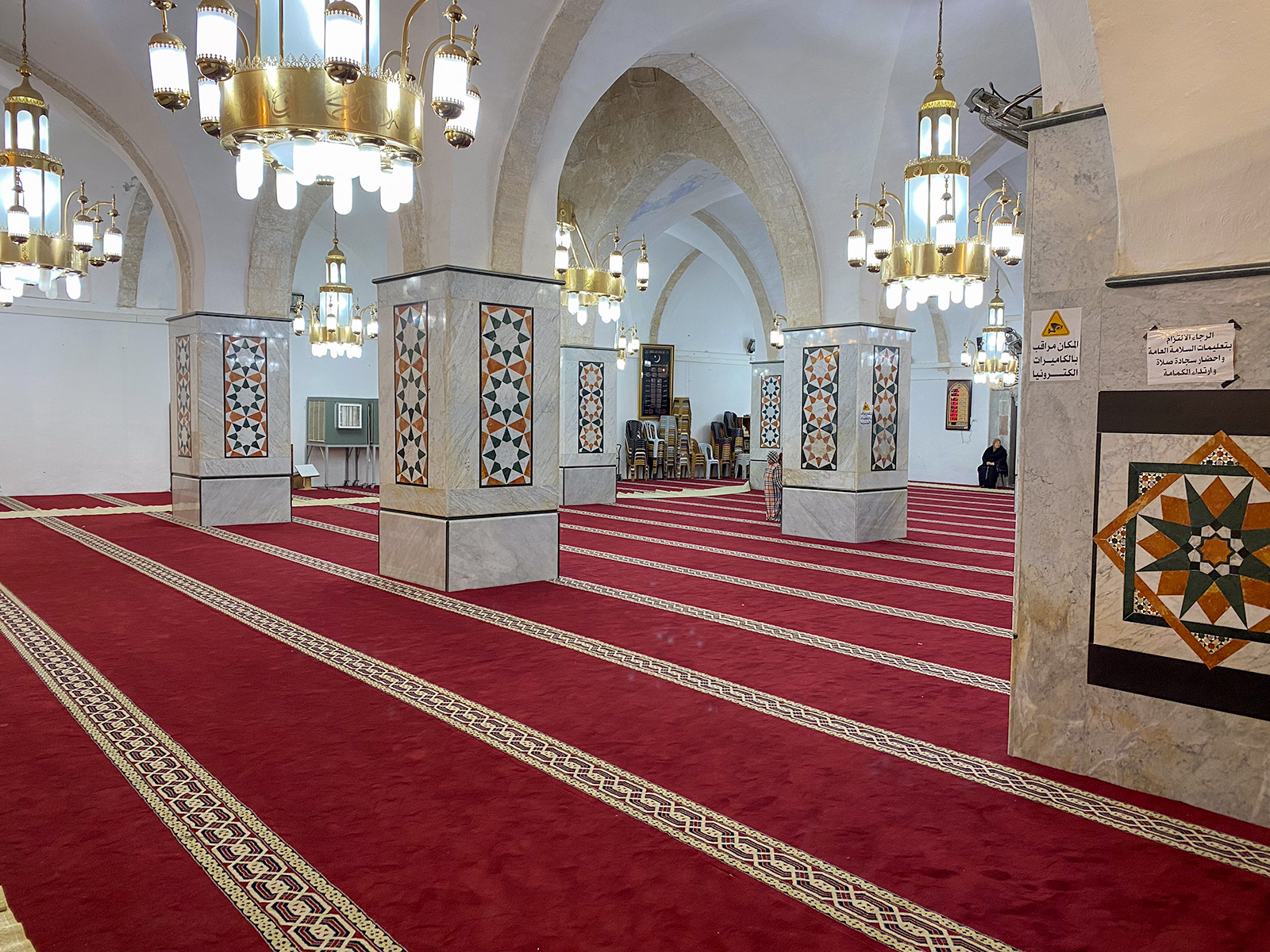
Al-Jawliyya Mosque: This spacious prayer hall adjoins the Ibrahimi Mosque and forms part of the larger sacred complex. Constructed during the Mamluk period, it is distinguished by its vaulted ceiling, marble-clad columns, geometric ornamentation, and carpeted rows marking the alignment for Muslim prayer.

Tomb of the Patriarchs

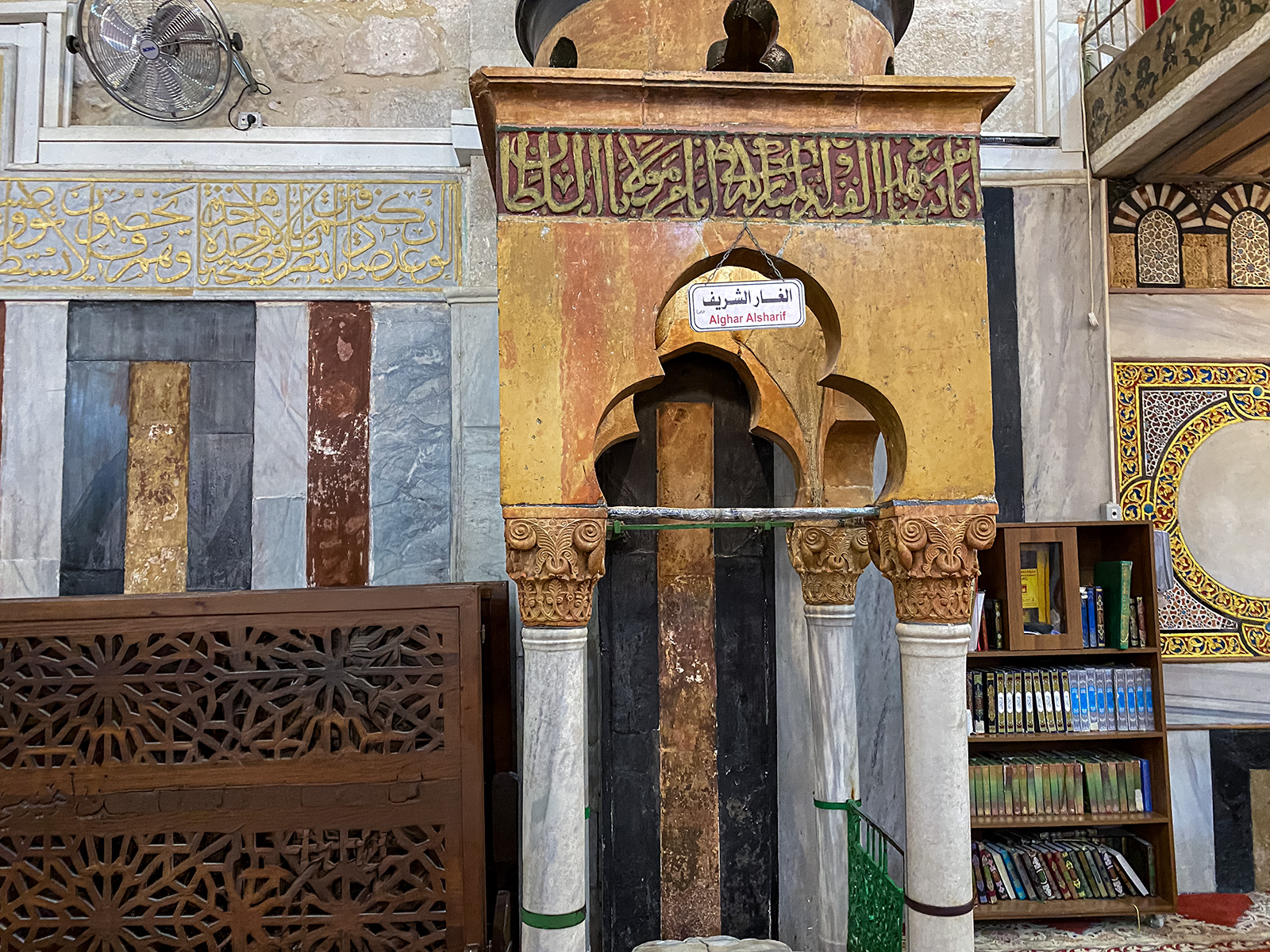
Al-Ghar al-Sharif: The sign identifies this as “the Sacred Cave.” The ornamented structure covers one of the known shafts leading toward the underground Cave of Machpelah. The opening beneath the decorative canopy descends approximately 40 feet to the level of the cave. It has been sealed against entry, although openings provide ventilation and traditionally accommodated lamps burning below. Visitors cannot descend through the shaft or enter the burial caves.

Tomb of the Patriarchs

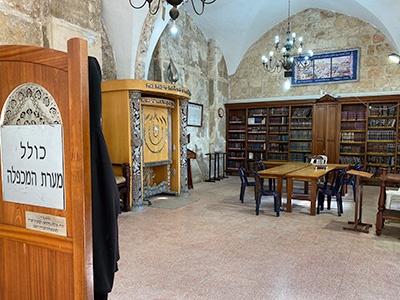
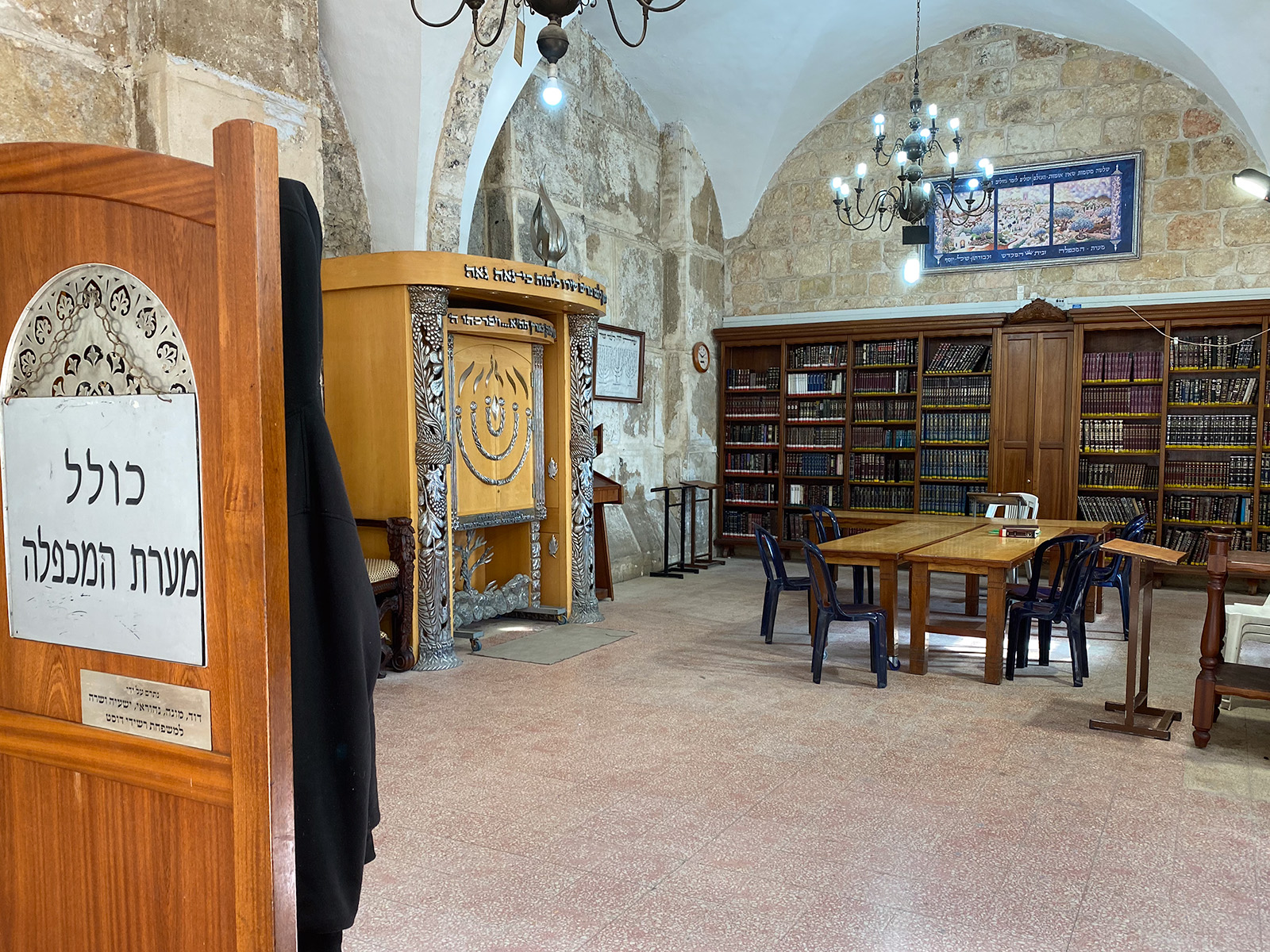
Jewish Study Hall: This room in the Jewish section houses the Kollel Me‘arat HaMachpelah, an institution devoted to advanced Torah and rabbinic study. The bookshelves contain religious texts used by those studying here. At left stands an ornate Elijah’s Chair, reserved during circumcision ceremonies for Elijah the Prophet, who is traditionally regarded as the “angel of the covenant” and a spiritual witness to the ceremony.

Tomb of the Patriarchs

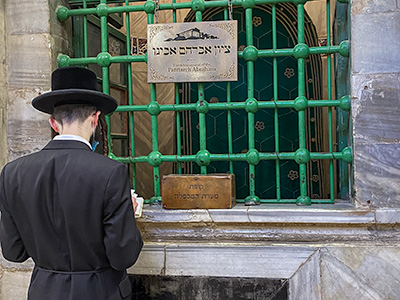
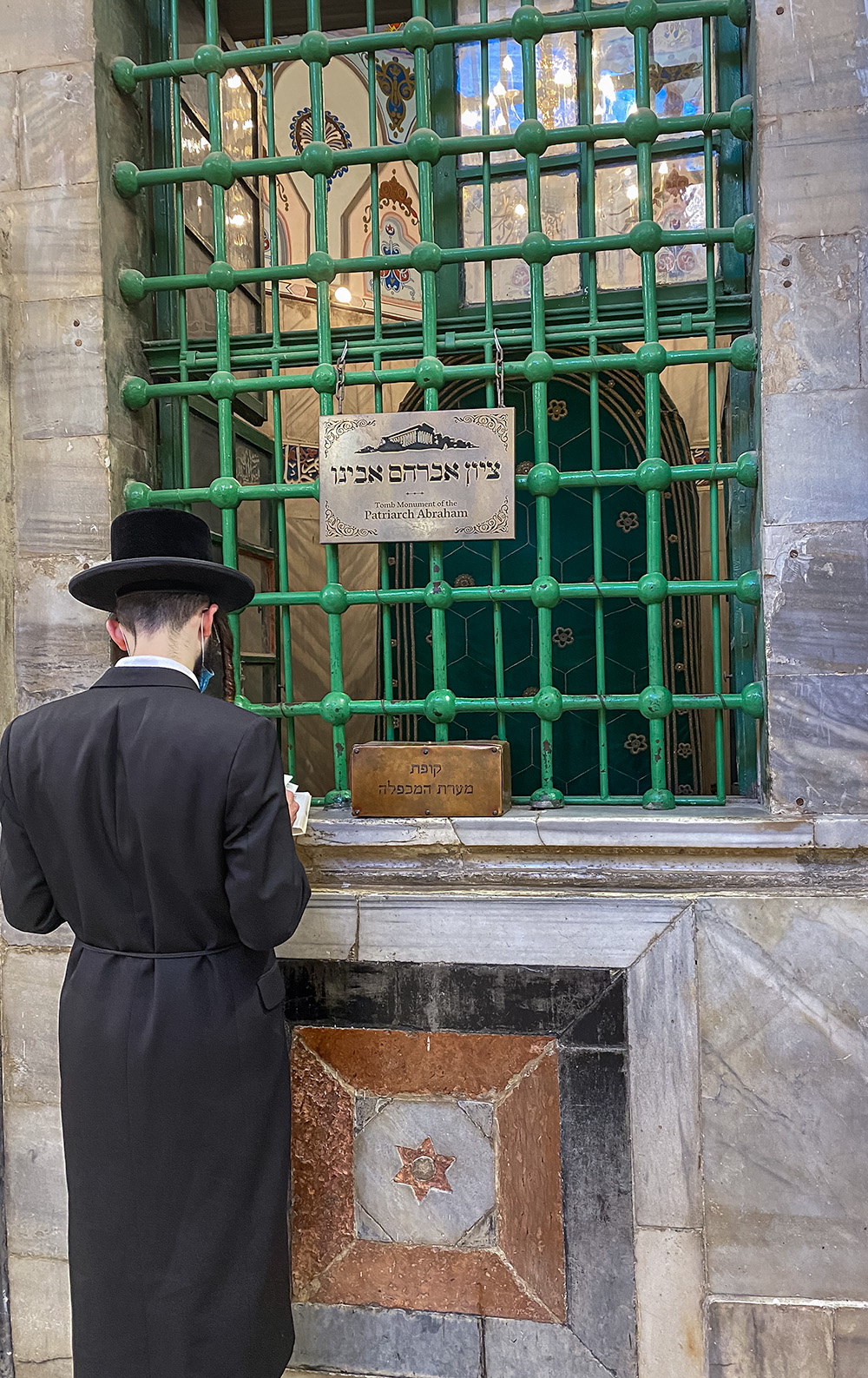
Abraham’s Cenotaph: A Jewish worshipper prays beside the green metal grille surrounding Abraham’s cenotaph in the Jewish section of the complex. The cloth-covered monument commemorates the biblical patriarch; Abraham’s traditional burial place is believed to lie in the sealed Cave of Machpelah beneath the building.

Tomb of the Patriarchs

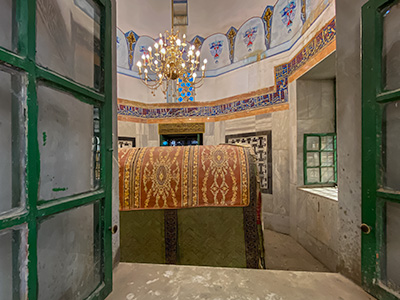
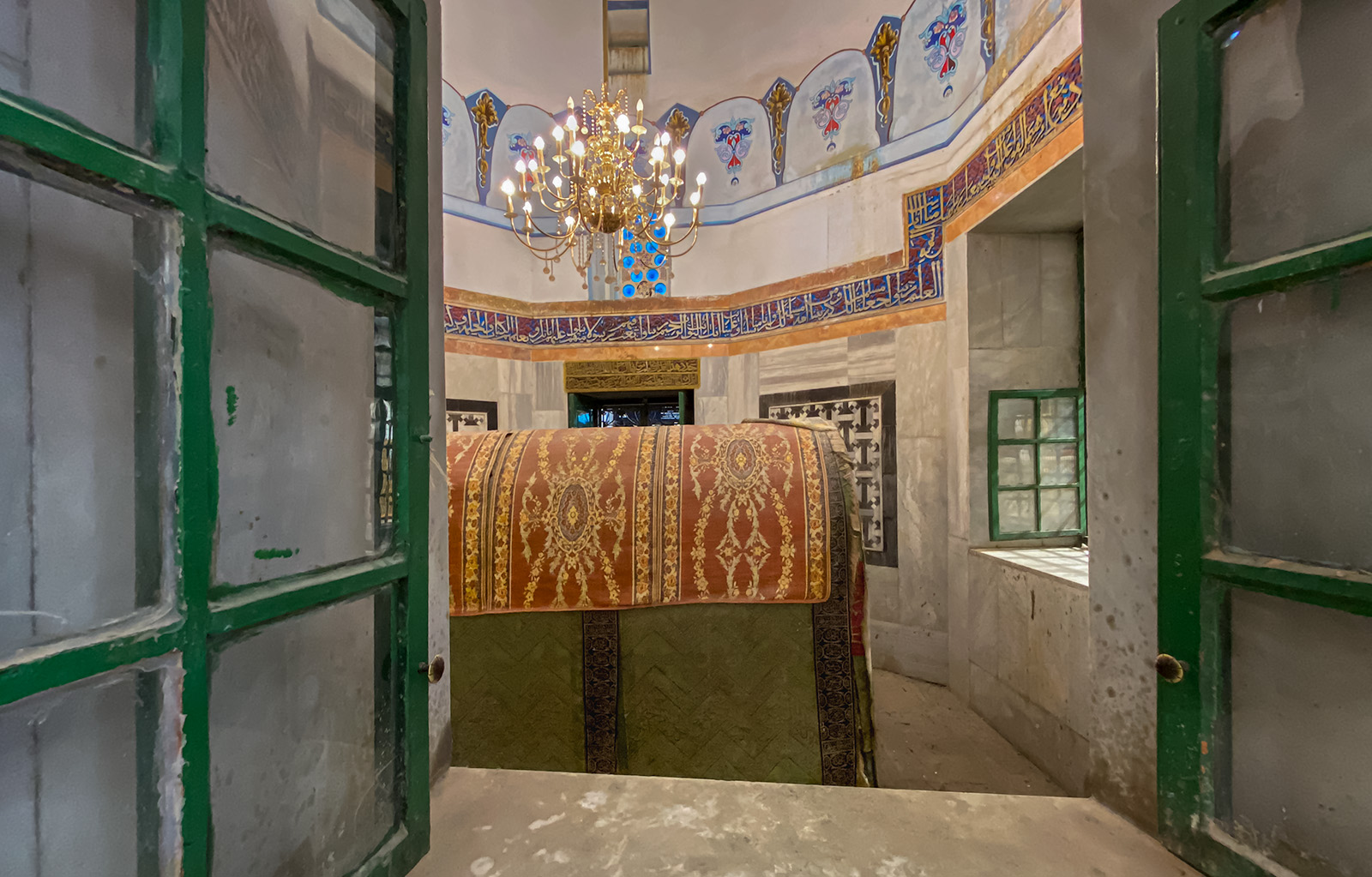
Sarah’s Cenotaph: Viewed through an open window, this cloth-covered cenotaph honors Sarah, who died at Hebron and became the first member of Abraham’s family buried in the Cave of Machpelah. Her death led Abraham to purchase the cave and its surrounding field as a permanent family burial place (Gen. 23:1–20). The cenotaph stands above ground; Sarah’s traditional burial place lies in the sealed cave beneath the building.

Tomb of the Patriarchs

Praying at Sarah’s Cenotaph: A Jewish woman sits in prayer before the gated chamber containing Sarah’s cenotaph, identified by the Hebrew and English sign above her. The surrounding cloth panels contain Hebrew passages associated with Sarah and prayer. The cenotaph commemorates the biblical matriarch; her traditional burial place is believed to lie in the sealed Cave of Machpelah beneath the building.

Tomb of the Patriarchs

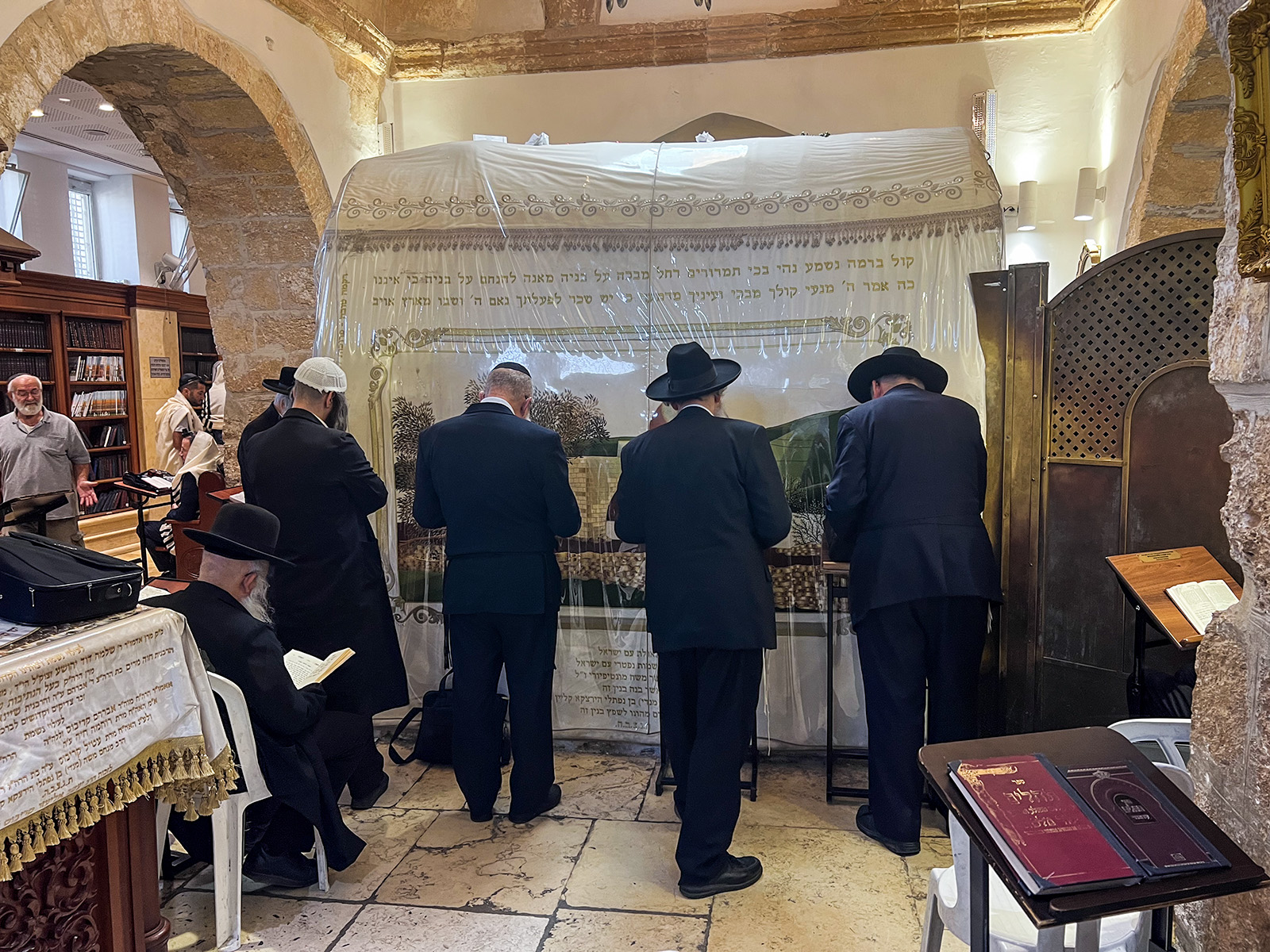
Praying at Jacob’s Cenotaph: A Jewish worshipper stands before the gated chamber containing Jacob’s cenotaph, identified by the Hebrew and English sign above him. He wears a kippah, while the visible fringes are tzitzit, worn as a reminder of God’s commandments. The cenotaph commemorates Jacob; his traditional burial place is believed to lie in the sealed Cave of Machpelah beneath the building.

Rachel's Tomb - Bethlehem

Rachel’s Cenotaph: Jewish worshippers pray before the cloth-covered monument traditionally identified as Rachel’s Tomb near Bethlehem. Rachel died while giving birth to Benjamin as Jacob’s family traveled toward Ephrath, and Jacob buried her beside the road and erected a pillar over her grave (Gen. 35:16–20). Unlike the other principal patriarchs and matriarchs, Rachel was not buried in the Cave of Machpelah at Hebron.

Hebron Elementary School

A closer view of the exterior wall of the Ibrahimi Mosque and Tomb of the Patriarchs. The massive lower courses of carefully dressed stone belong to the monumental enclosure constructed during the reign of Herod the Great.

Hebron Elementary School
A narrow passage follows the exterior of the Ibrahimi Mosque toward a neighborhood elementary school. While walking around the complex in search of unusual views, I followed this passage and photographed the ancient enclosure wall visible at the far left.

Hebron Elementary School
This photograph was taken inside the school. Several children were seated at tables to the right. I asked if I could photograph them, but the shaking of their heads made it clear that they did not want me taking a picture of the classroom. Instead, the teacher led me to a bench beneath one of the arches near the entrance and invited four children to join me for a photograph, which she took with my iPhone. Afterward, to my surprise, she indicated that she also wanted to be included (see the next two photos).

Notice the carefully dressed stones exposed along the wall. The school and other buildings in this area were constructed against the outer wall of the mosque complex.

Hebron Elementary School
Here I am with four of the schoolchildren beneath one of the arches near the entrance. The little girl on the left was especially shy, although the boys were not. Notice the children’s artwork displayed against the ancient stone wall in this and the previous photograph.

Hebron Elementary School

After taking the first photograph, the teacher motioned for another teacher to come over and photograph all of us together. Her request surprised me, but it created a special moment. I did not speak Arabic, and she did not speak English, yet somehow we understood each other. I will go back next year with copies of the photographs in hand.

Hebron Elementary School

As I walked away down the same passage, the teacher called out and motioned for me to come back. She handed me this chocolate wafer bar. I do not know what prompted her kindness, but that simple gift became the most meaningful part of my day.

Kiryat Arba

Looking east from the hillside just north of the mosque toward Kiryat Arba, an Israeli settlement on the eastern outskirts of Hebron in the West Bank. Its name comes from the biblical Kiriath-arba, an ancient name for Hebron associated with Arba, the forefather of the Anakim (Josh. 14:15; 15:13).

Tomb of Ruth and Jesse

The traditional Tomb of Ruth and Jesse on Tel Rumeida, the hill west of the Ibrahimi Mosque. Ruth was the great-grandmother of King David, and Jesse was his father. The ancient stone complex now contains a small synagogue and prayer room, although the identification of the site as their burial place is based on Jewish tradition.

Tomb of Ruth and Jesse

Inside the stone passage leading into the Tomb of Ruth and Jesse complex. The Hebrew inscription above the arched recess reads, “Tomb of Jesse and Ruth,” identifying the traditional burial place of King David’s father and great-grandmother. The burial tradition is ancient, although it has not been archaeologically confirmed.

Tomb of Ruth and Jesse

A straight-on view of the traditional Tomb of Ruth and Jesse. The Hebrew inscription above the recess reads, “Tomb of Jesse and Ruth.” The plaque at the right quotes Ruth 4:22: “And Obed begat Jesse, and Jesse begat David,” concluding the genealogy that connects Ruth with King David.

Tomb of the Patriarchs - Tel Rumeida

View east from Tel Rumeida across Hebron, with the Ibrahimi Mosque and Tomb of the Patriarchs prominent at the left. The mosque stands over the cave traditionally identified as the burial place of Abraham and Sarah, Isaac and Rebecca, and Jacob and Leah.

Tel Rumeida—also called Tel Hebron—is the archaeological mound of ancient Hebron. A tel is a hill formed as successive settlements were built upon the remains of earlier ones. Excavations here have uncovered remains from the Canaanite and Israelite cities, as well as later periods. Over time, Hebron’s center shifted eastward from the hill toward the area surrounding the mosque.

Hebron Shop

After descending from Tel Rumeida, I entered the surrounding streets of Hebron and came upon these gentlemen at their appliance shop. Curious about what I was doing, they explained that they rarely saw Americans or other tourists in this part of the city. They were visibly pleased that I had ventured into their neighborhood and eagerly asked me to take their picture—a request I gladly accepted. When I return to Hebron, I plan to bring copies of this photograph and hope that I can find them again.

Hebron Pottery

A potter shapes a vessel on the wheel in his shop along the street immediately south of the Ibrahimi Mosque. Rows of newly formed pitchers await drying and firing, while finished bowls, plates, and other pieces fill the shelves behind him.

Click the map to show or hide the overlay

Map