Ein Harod Photo Gallery
Click the title to view map
Site Overview
- Primary Biblical Event: Gideon and the choosing of the 300 warriors (Judg. 6–8)
- Biblical Name: Spring of Harod (En Harod)
- Modern Site: Ma'ayan Harod (Ein Harod)
- Key Theme: God delivers Israel through faith rather than military strength.
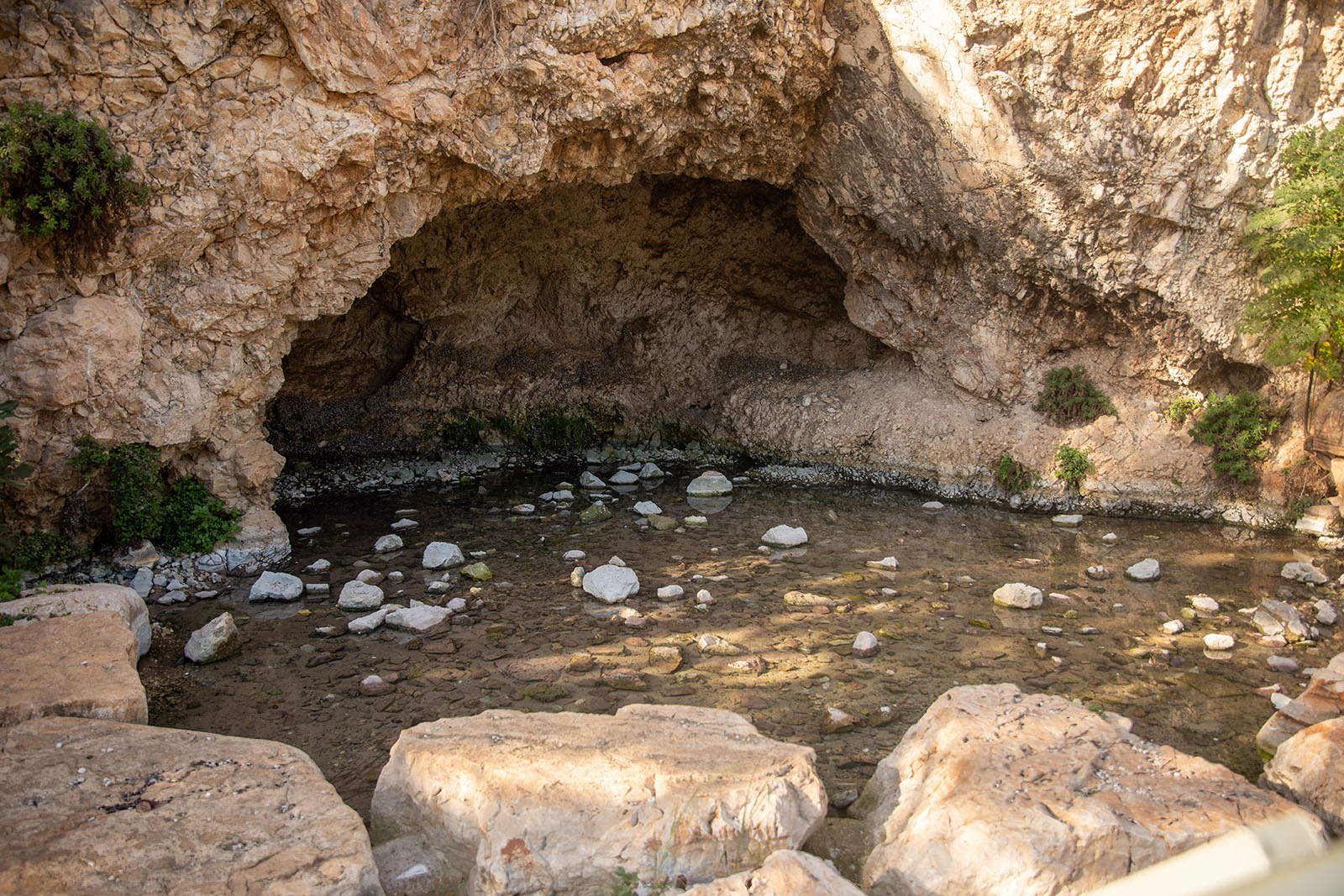
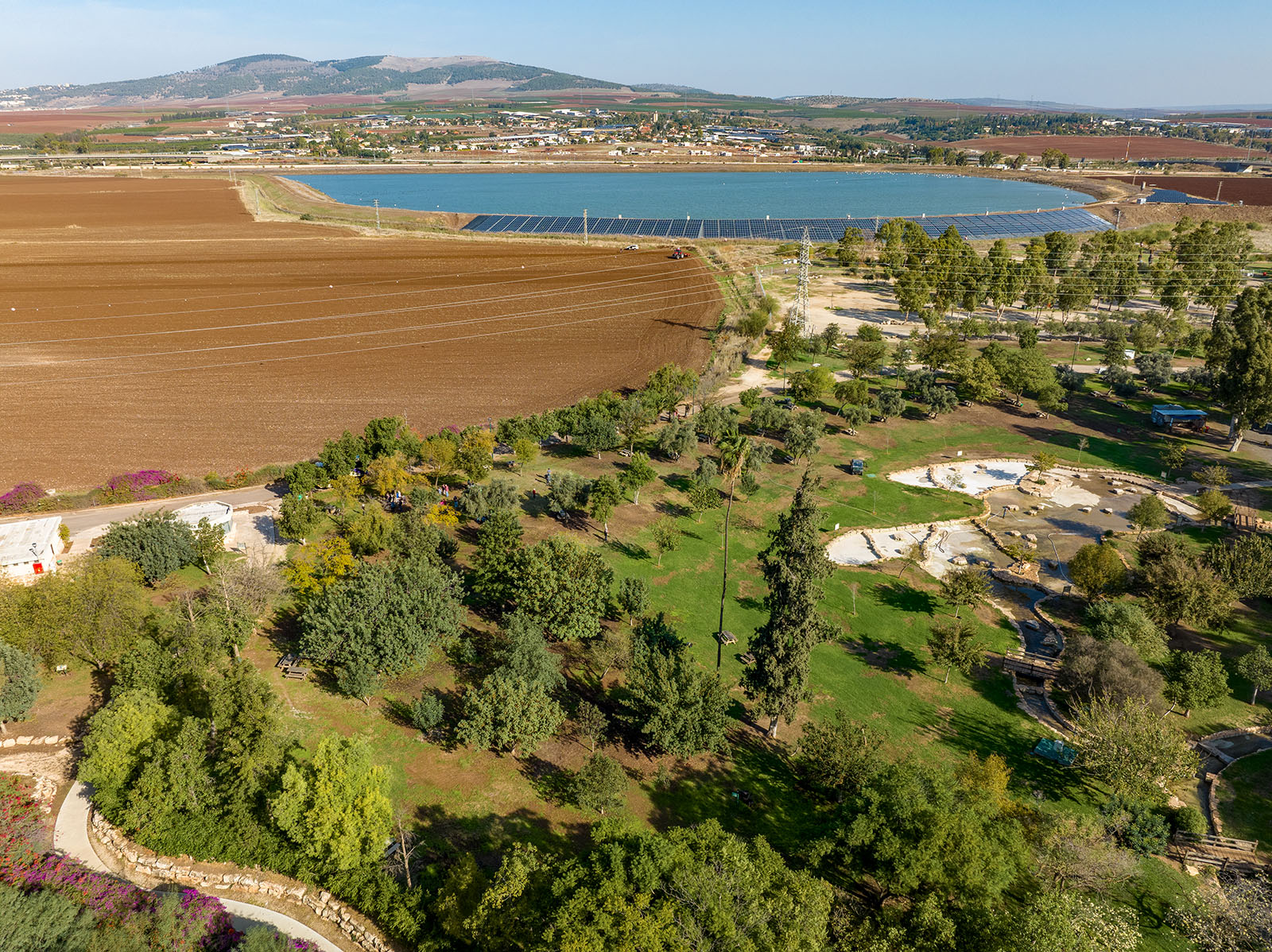
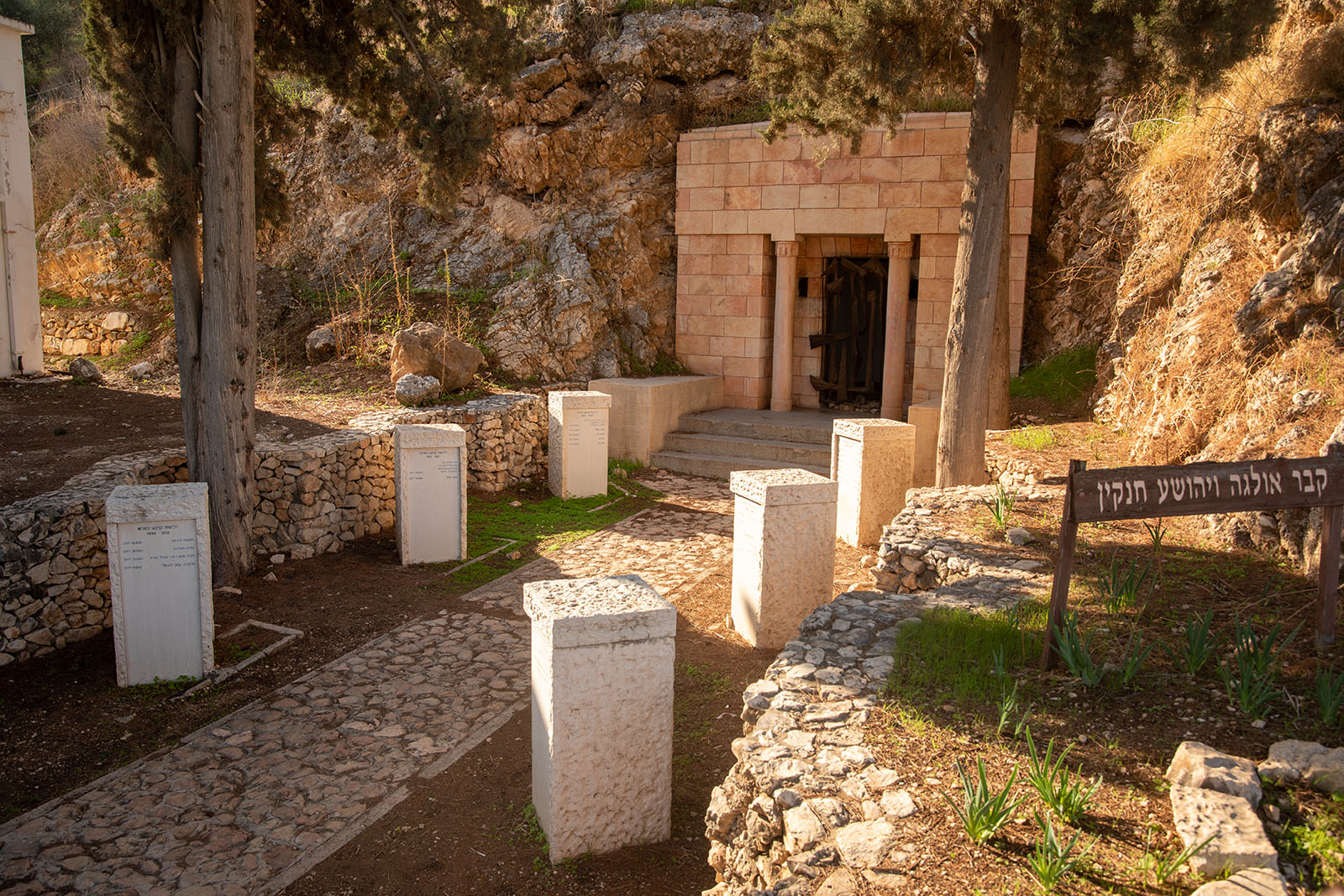
- What You'll See: The spring itself, the stream flowing eastward, panoramic views toward the Hill of Moreh, and Beit Hankin overlooking the valley.
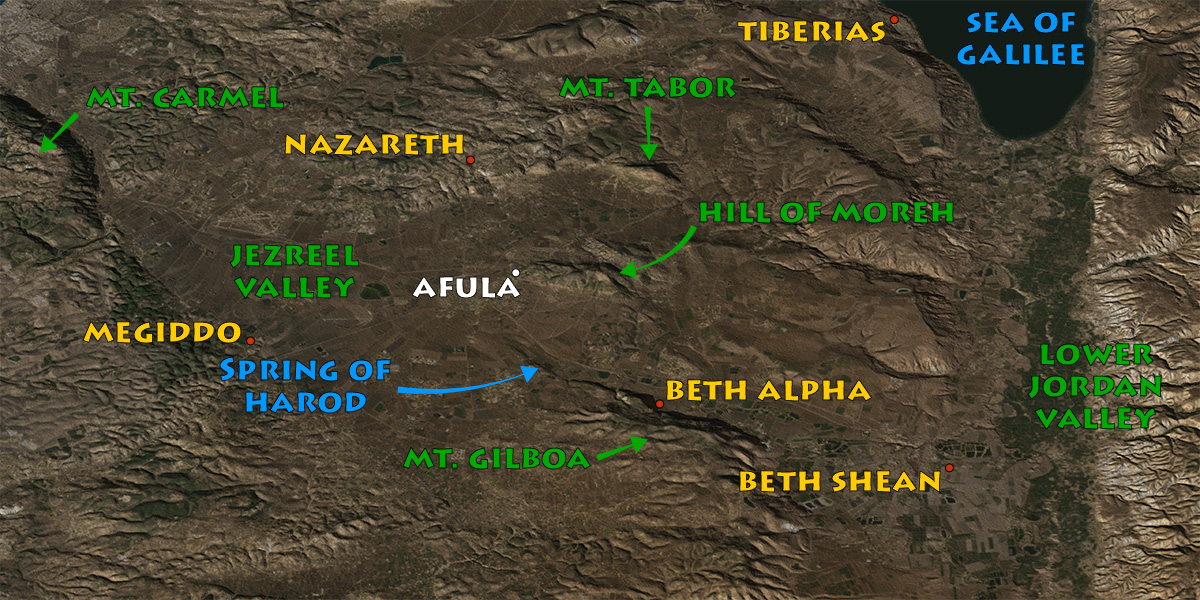
- Historical Setting: Located at the foot of Mount Gilboa on the southern edge of the Jezreel Valley, where Gideon's army camped before confronting the Midianites across the valley near the Hill of Moreh.
Introduction
Few places in Israel illustrate the relationship between geography and Scripture as clearly as Ein Harod. This abundant spring emerges from the northern slopes of Mount Gilboa before flowing into the Jezreel Valley, providing one of the region’s most dependable water sources. According to Judges 7, Gideon and his army camped beside the Spring of Harod while the vast Midianite camp stretched across the valley near the Hill of Moreh. It was here that the Lord reduced Gideon’s force from thirty-two thousand men to only three hundred, demonstrating that Israel’s coming victory would be won by divine power rather than human strength.
Standing beside the spring today, visitors can easily visualize the biblical setting. The Hill of Moreh still rises across the valley, the stream continues to flow eastward, and the surrounding landscape remains remarkably recognizable. The distance between the opposing camps becomes immediately apparent, helping transform the familiar account of Gideon’s army into a real historical scene rather than simply a story on the pages of Scripture.
Ein Harod also reminds us of an enduring biblical principle. God often accomplishes His greatest works by reducing human resources so that His power cannot be mistaken for human achievement. The quiet spring where Gideon’s soldiers drank continues to testify that faith and obedience—not overwhelming numbers—are the true source of victory.